In brief
In a recent BBC interview, Angela Merkel candidly discusses her controversial tenure as German Chancellor, addressing criticisms of her Russian energy policies and the impacts of her decisions on Ukraine's NATO ambitions.
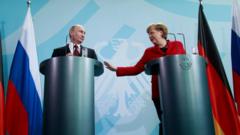
In an exclusive interview with the BBC's Katya Adler, former German Chancellor Angela Merkel opened up about her diplomatic legacy, articulating her rationale behind gas deals with Russia as a means to bolster German business interests while maintaining peace with Moscow. Addressing claims regarding her decisions concerning Ukraine, Merkel argued that her opposition to Kyiv's NATO entry in 2008 was a preventative measure against an earlier escalation in military conflict, insisting, "President Putin would not have stood idly by and watched Ukraine join NATO." During her 16-year leadership, Merkel navigated various crises, including the 2015 refugee influx and Russia's 2014 annexation of Crimea. With the ongoing war in Ukraine sparking renewed introspection, she contended that earlier NATO membership would have left Ukraine ill-prepared for conflict. Her views sharply contrast with Ukrainian President Volodymyr Zelensky, who labeled Merkel's NATO decision a "miscalculation" that inadvertently empowered Russia. In light of recent nuclear threats from Putin, Merkel stressed the importance of global diplomatic efforts to stave off escalation: "We must do everything possible to prevent the use of nuclear weapons," she cautioned. Merkel's recent memoir, "Freedom," has generated discussions surrounding her diplomatic approach to Russia, particularly as her government enhanced German reliance on Russian energy through major gas pipeline projects. While former leaders recognize Merkel's unique position as Europe’s guiding force, critics have rebuked her for fostering dependency on Russian energy, with some suggesting that her decisions fortified Putin’s war resource base. She defended her legacy by asserting that her attempts for peace-focused negotiations ultimately fell short, leading to a re-evaluation of Europe's energy policies in response to the intensified conflict. Merkel also addressed her handling of the 2015 migrant crisis, a pivotal event in her leadership narrative that polarizes public opinion. Although she acknowledged the rise of far-right sentiment in Germany as a consequence of her open-border policy, Merkel maintains that the responsibility for combating anti-immigrant sentiment lies with the entire European political landscape. As Europe grapples with economic difficulties and political polarization, Merkel urged leaders to invest in the developing world to reduce migration pressures. With the impending return of a more forceful U.S. administration under Donald Trump, she emphasized the need for European leaders to clearly express their priorities in international discussions—a reflection of the complexities in contemporary global politics as nations encounter shifting alliances and security concerns. Though she regularly receives calls from world leaders seeking her expertise, Merkel affirmed her disinterest in returning to political life, stating, "No, not at all," when prompted about her feelings regarding her past influence.