In brief
On October 31, 2026 Palestinian newspapers detailed ongoing cease‑fire violations in Gaza, intensified settler aggression in the West Bank, and a severe humanitarian decline on both sides. Palestinian National Council president Rawi Feto accused Israel of orchestrating ethnic cleansing in Jenin, while more than 100 European ports joined strikes protesting the shipment of weapons to Israel. The reports highlight the persistent volatility of the region and the mounting domestic unrest in Europe over arms sales.
On October 31, 2026, Palestinian newspapers reported that Israeli forces continued to breach the cease‑fire agreement in Gaza, bombing homes and escalating settler attacks in West Bank towns, according to the Saudi Press Agency.
"The city of Jenin is witnessing an Israeli offensive, siege, and forced displacement, with about five thousand Palestinians surrounded, dozens of homes demolished, and ongoing harassment and demolition operations," said Rawi Feto, president of the Palestinian National Council.
Feto accused Israel of a systematic ethnic cleansing aimed at expelling Palestinians from their land and imposing an apartheid‑style reality by force. The Saudi Press Agency noted that his comments came amid a broader alarm over the humanitarian collapse in Gaza and the West Bank.
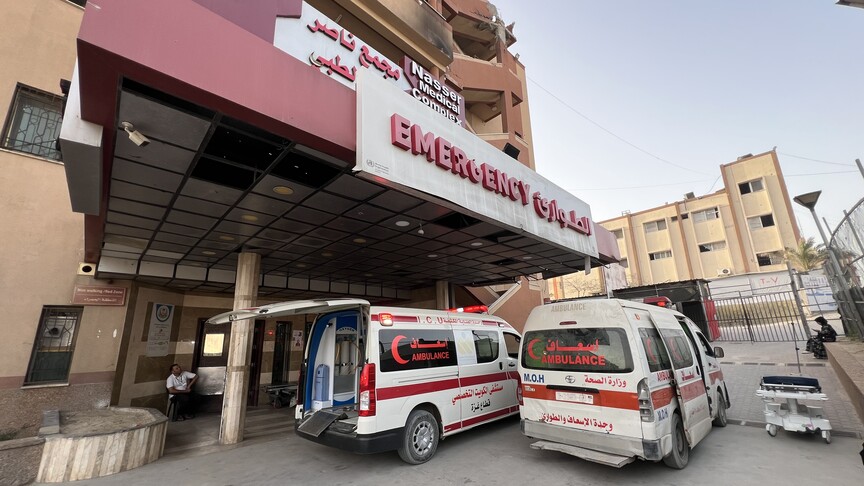
Humanitarian groups cited in the coverage warned that both territories were experiencing a severe decline in health and living conditions, with limited access to medical supplies and basic necessities.
In a separate but related development, the same report highlighted widespread strike actions at European ports, with more than one hundred coastal facilities in seventeen nations shutting down in protest of arms shipments to Israel.
These port strikes were accompanied by labor protests demanding wage increases and better working conditions for port workers.
The Saudi Press Agency underscored that the collective action reflects growing discontent across Europe regarding the flow of weapons to the Israeli side in the conflict.
The article also noted that the European ports’ stoppages were occurring amid renewed calls from human rights organizations condemning the escalating violence in Palestinian areas.
While the coverage confirms an ongoing pattern of cease‑fire violations and heightened settler aggression, it also places the unfolding events within the context of broader international resistance to Israel’s military actions, underscored by the European maritime protests.
These reports leave unresolved questions about the total scale of cease‑fire breaches, the exact impact on Gaza’s already fragile humanitarian infrastructure, and how effective the international strikes are in curbing further armaments to Israel. The continued uncertainty revolves around the future trajectory of both local and global responses to the conflict.