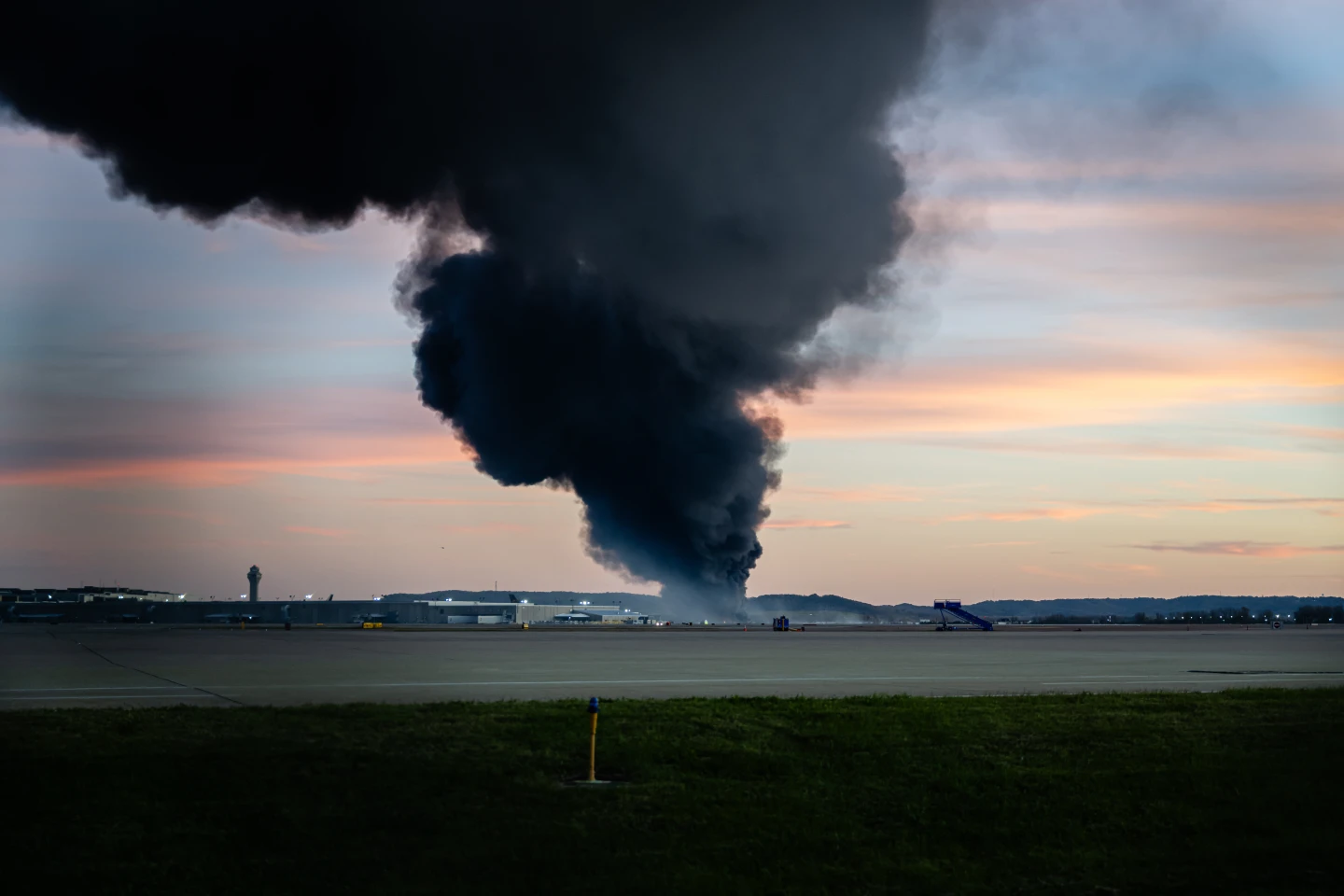
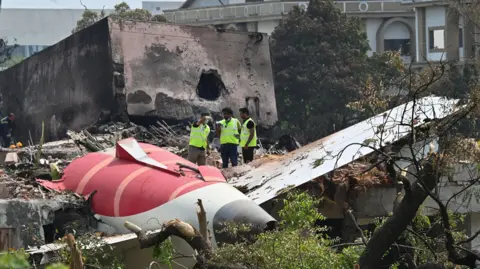
Authorities in Kazakhstan, Azerbaijan, and Russia are currently engaged in a complex investigation to determine the cause of a devastating plane crash that took place on Wednesday near Aktau, Kazakhstan. The Embraer 190 aircraft, operated by Azerbaijan Airlines, was en route from Baku to Grozny, Russia, when it was necessitated to divert due to poor visibility caused by fog. The plane ultimately crashed while attempting an emergency landing, tragically resulting in the deaths of 38 out of the 67 aboard. Fortunately, 29 passengers survived the ordeal.
Initial assessments by aviation experts raised concerns about radar jamming and spoofing experienced by the aircraft during its final approach near Grozny. Reports indicated that, for part of the flight, the plane was not transmitting its radar data. Furthermore, data from flight tracking service Flightradar24 pointed to potential altitude control issues leading up to the crash, coupled with images suggesting puncture damage to the aircraft.
Witnesses in the Grozny area reported a series of drone strikes coinciding with the plane’s scheduled landing time, leading to speculation that the crash might have been the result of misidentification by Russian air defenses, especially in light of recent hostilities involving drones. The Kremlin, however, has urged caution in forming premature conclusions about the cause until the investigation concludes, as stated by Dmitri Peskov, spokesman for the Kremlin.
In light of these developments, Azerbaijan Airlines has announced a temporary suspension of flights from Baku to both Grozny and Makhachkala until further investigations clarify the circumstances surrounding the crash. Meanwhile, President Ilham Aliyev of Azerbaijan indicated the complexity of understanding the crash's causes, stating, "Various theories exist, but it is premature to speculate."
As the investigations continue, the aviation and international communities are closely monitoring the case, hoping for resolution and answers regarding this tragic event.
Initial assessments by aviation experts raised concerns about radar jamming and spoofing experienced by the aircraft during its final approach near Grozny. Reports indicated that, for part of the flight, the plane was not transmitting its radar data. Furthermore, data from flight tracking service Flightradar24 pointed to potential altitude control issues leading up to the crash, coupled with images suggesting puncture damage to the aircraft.
Witnesses in the Grozny area reported a series of drone strikes coinciding with the plane’s scheduled landing time, leading to speculation that the crash might have been the result of misidentification by Russian air defenses, especially in light of recent hostilities involving drones. The Kremlin, however, has urged caution in forming premature conclusions about the cause until the investigation concludes, as stated by Dmitri Peskov, spokesman for the Kremlin.
In light of these developments, Azerbaijan Airlines has announced a temporary suspension of flights from Baku to both Grozny and Makhachkala until further investigations clarify the circumstances surrounding the crash. Meanwhile, President Ilham Aliyev of Azerbaijan indicated the complexity of understanding the crash's causes, stating, "Various theories exist, but it is premature to speculate."
As the investigations continue, the aviation and international communities are closely monitoring the case, hoping for resolution and answers regarding this tragic event.