
In brief
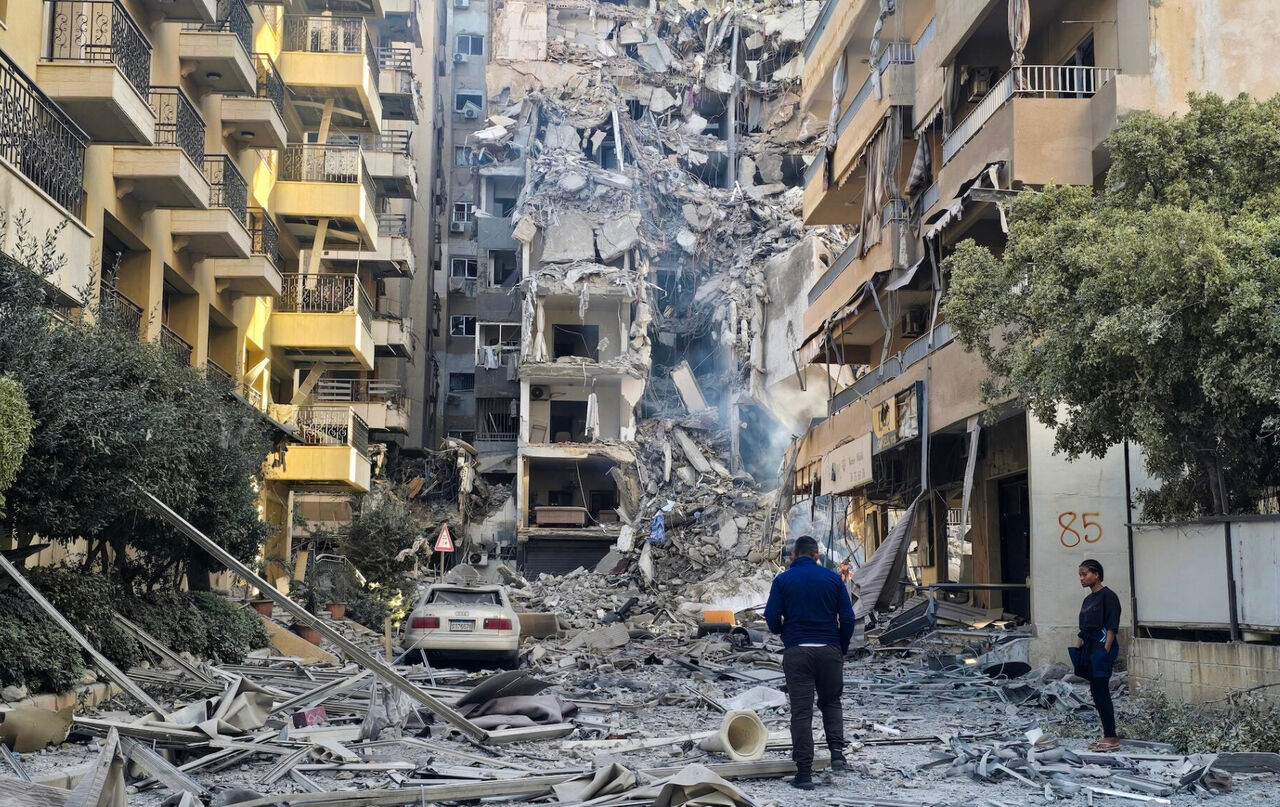
The Lebanese Health Ministry has announced that 8,956 people have died and 30,664 have been wounded since the start of Israeli aggression in October 2023. Between the beginning of Israel’s large‑scale offensive on March 2 and October 30, 2026, the ministry recorded 4,389 killings and 12,428 injuries. A framework agreement signed under U.S. mediation last month remains contested over its legal status and the absence of a clear timetable for an Israeli withdrawal.
The Lebanese Health Ministry released new figures on Tuesday, noting that 8,956 people have been killed and 30,664 injured during the Israeli offensive that began in October 2023. The ministry’s most recent report, issued at 9:53 a.m. local time on October 31, 2026, provided a breakdown of casualties for the period between March 2 and October 30, the dates that mark the start and most recent phase of the conflict. In that span, 4,389 people were killed and 12,428 injured, according to the ministry.
The figures arrive as the Lebanese government and Israeli forces continue to occupy areas along the southern border. The Israeli regime launched a large‑scale offensive on March 2, 2026, which the ministry reports has displaced more than one million residents across southern Lebanon.
Shortly after the escalation, the two sides signed a framework agreement under U.S. mediation. The deal, intended to end the war between the regime and Hezbollah, was announced a month earlier. Critics, including Lebanese officials and some observers, argue that the agreement’s legal status remains unclear and that it does not provide a definitive timetable for the withdrawal of Israeli forces.
The Health Ministry’s statements follow a series of direct negotiations in Washington that involved both governments. While the agreement was intended to bring an end to hostilities, the Lebanese side remains unsettled by the lack of concrete steps toward disengagement or the redrawing of territorial control.
Across southern Lebanon, the ongoing presence of Israeli troops has led to continued reporting of incidents and civilian casualties. According to the ministry’s data, the total death toll of 8,956 is an increase of 1,567 over the previous count of 7,389 reported at the end of last year.
The ministry’s update emphasizes the persistence of “continued Israeli military aggression,” a phrase it has used consistently in its press releases. The Ministry’s spokesperson, citing the casualty figures, underscored that while the framework agreement may signal a political development, it does not reduce the daily risk to civilians in conflict zones.
While the framework agreement aims to bring stability, observers note that its lack of clarity on the legality and withdrawal deadline may affect the course of the conflict. The discrepancy between the intended end of war stated in the agreement and the reality on the ground reflects an ongoing issue that remains unresolved.
Uncertainties that persist include the legal standing of the framework agreement, the lack of a specified timeline for the Israeli withdrawal from occupied areas, and the continuation of the daily threat reported by Lebanese authorities. These issues are cited by officials as key factors that may influence future peace developments. The Lebanese Health Ministry’s latest figures remain a stark reminder of the human cost, yet the broader path toward an end to hostilities remains unclear as the agreement’s completeness and enforceability are still being debated. The ongoing ambiguity about the agreement, its legal basis, and the timetable for withdrawal continues to cast a shadow over prospects for lasting peace in the region. The Lebanese government has, thus, urged further clarification while the conflict’s dynamic continues to evolve.

