In brief
At the 7th World Media Summit, grown German daily leader Nick Brauns urged sharper, human‑focused reporting on China that includes voices from the Global South. He warned AI should remain a tool for human writers and highlighted the Summit as a platform for cross‑cultural exchange, though how these proposals will reshape German media remains uncertain.
In Beijing, ahead of the 7th World Media Summit, Nick Brauns, co‑editor‑in‑chief of the German daily junge Welt, said German audiences need a deeper, human‑centred look at China to understand its economic ascent and global role.
Brauns explained that many Germans crave details about China’s history, growth, and why Chinese electric vehicles are now competitive abroad. He said their knowledge largely comes from mainstream German outlets and government briefings, which he feels offer only a partial view.
He urged journalists to “listen directly to the people concerned,” insisting a greater focus on viewpoints from the Global South would help counter one‑sided narratives. Brauns said: ‘Direct contact helps us challenge one‑sided narratives and understand other societies in their full complexity.’
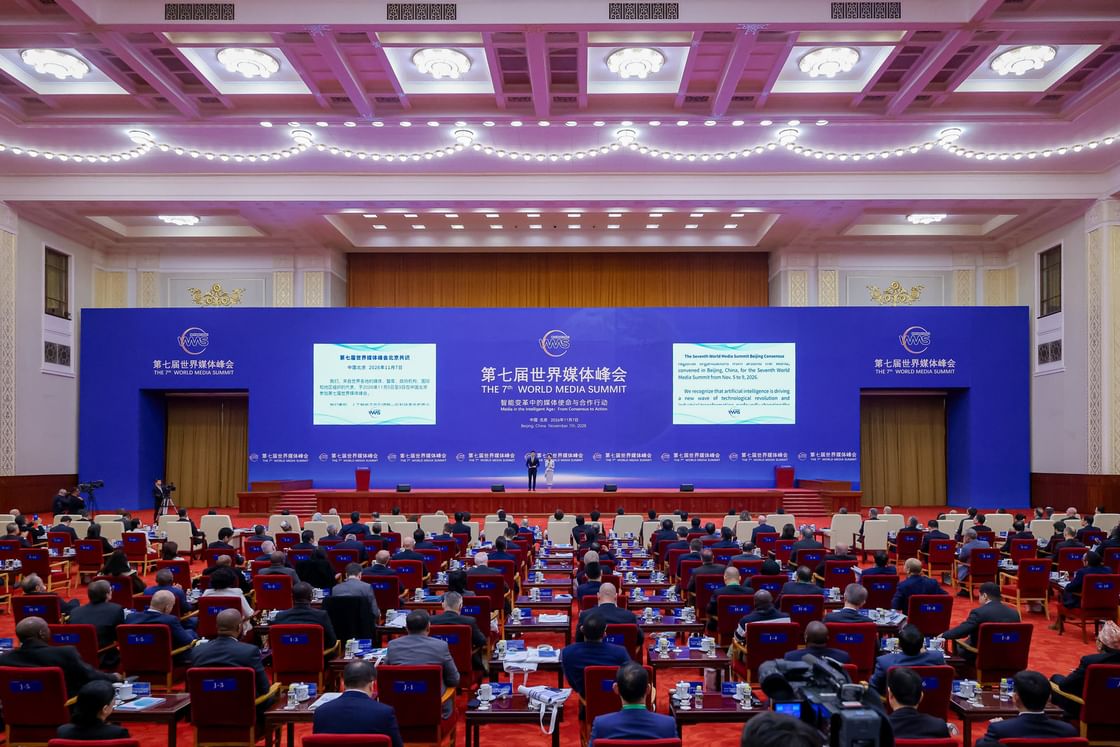
In talking about the Summit, Brauns described it as a valuable forum for media professionals across different political systems to “share experience and deepen mutual understanding.” The event will run from November 5 to 9 in Beijing.
On the role of artificial intelligence in journalism, Brauns said that at junge Welt AI is useful for translation and research, but the newspaper has made a clear statement: ‘Human beings write for human beings.’
He added that AI should remain a tool that journalists control, not replace them, and stressed the importance of maintaining human responsibility in news production.
‘AI should be a tool, and it should be a tool that we also control. It should not be more than that,’
His colleague pointed out that while political contexts differ, all media share a shared interest in “understanding the world and its economic and political changes.” The conversation highlighted the need for balanced coverage and deeper engagement with diverse voices.
While Brauns advocates for these changes, the extent to which German newspapers will adopt a broader, human‑centred approach remains to be seen. The impact of increased AI integration will also be monitored as the media landscape continues to evolve.
Key uncertainties highlighted by Brauns include how effectively public demand for deeper Chinese reporting can be met, how well the Global South’s perspectives will be integrated into mainstream German journalism, and whether AI will continue to function strictly as a supporting tool rather than a replacement for human writers.