The controversy highlights the complex relationship between governance and public discourse in Italy as the government navigates a challenging landscape of migration.
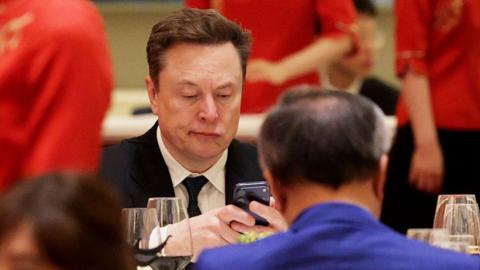
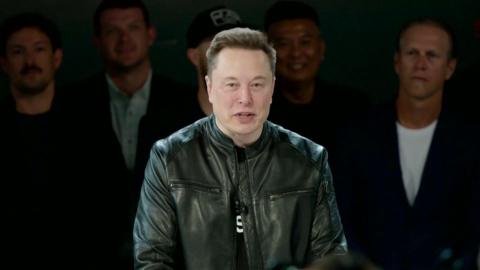
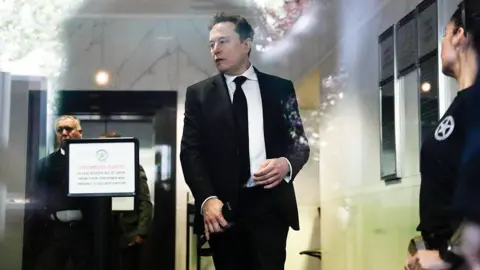
Elon Musk has ignited a political firestorm in Italy with his comments on the nation’s migration policies, declaring that “these judges need to go” in reference to a judiciary that has questioned the legality of the government's detention strategies for asylum seekers. His remarks came as Italy's Prime Minister Giorgia Meloni faces increasing scrutiny over her hardline stance on immigration. This led to a stern response from Italian President Sergio Mattarella, who urged Musk to respect Italy's sovereignty and refrain from influencing its internal affairs.
The uproar stems from a recent ruling by Rome magistrates that has impeded the Italian government's initiative to detain migrants in Albania. The situation grew more complex after a court mandated the transfer of several asylum seekers back to Italy from the troubled centres. Observers worry that the legal challenges not only threaten the viability of the Albanian centres but entire immigration policies aimed at streamlining migrant repatriation.
The political discourse surrounding immigration in Italy has become increasingly contentious, with Meloni's government often attacking the judiciary. This dramatic turn in rhetoric recalls similar incidents in Italy's political history, raising questions about the long-term implications for both governance and public opinion in the face of rising migration challenges.
Musk's recent remarks to Meloni, reaffirming his respect for Italian sovereignty while asserting his right to free speech, have further deepened the discussion on the roles of international figures in domestic policy debates. As public dissent continues to simmer, the path forward for Italy’s government in managing migration remains fraught with obstacles, both legal and political.
Elon Musk has ignited a political firestorm in Italy with his comments on the nation’s migration policies, declaring that “these judges need to go” in reference to a judiciary that has questioned the legality of the government's detention strategies for asylum seekers. His remarks came as Italy's Prime Minister Giorgia Meloni faces increasing scrutiny over her hardline stance on immigration. This led to a stern response from Italian President Sergio Mattarella, who urged Musk to respect Italy's sovereignty and refrain from influencing its internal affairs.
The uproar stems from a recent ruling by Rome magistrates that has impeded the Italian government's initiative to detain migrants in Albania. The situation grew more complex after a court mandated the transfer of several asylum seekers back to Italy from the troubled centres. Observers worry that the legal challenges not only threaten the viability of the Albanian centres but entire immigration policies aimed at streamlining migrant repatriation.
The political discourse surrounding immigration in Italy has become increasingly contentious, with Meloni's government often attacking the judiciary. This dramatic turn in rhetoric recalls similar incidents in Italy's political history, raising questions about the long-term implications for both governance and public opinion in the face of rising migration challenges.
Musk's recent remarks to Meloni, reaffirming his respect for Italian sovereignty while asserting his right to free speech, have further deepened the discussion on the roles of international figures in domestic policy debates. As public dissent continues to simmer, the path forward for Italy’s government in managing migration remains fraught with obstacles, both legal and political.