In brief
As the nation's average fuel prices drop, voters are keenly aware of how this could impact election sentiments.
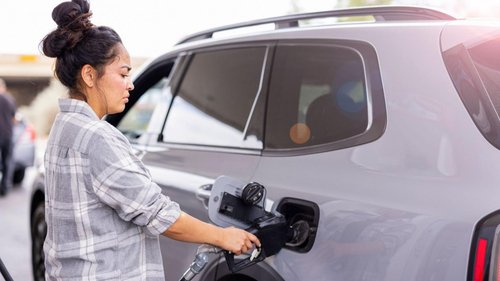
As we approach the pivotal U.S. presidential elections, gasoline prices have significantly decreased, dropping to an average of $3.16 per gallon—marking an 11% decline compared to last year and the lowest rates since February. The national trend indicates that in 19 states, including key swing states like Georgia, North Carolina, and Wisconsin, gas prices have sunk below $3 a gallon.This downward shift comes amidst a backdrop of economic turbulence linked to global events such as Russia's invasion of Ukraine, which had previously caused a surge in fuel costs. The Affordable filling-up has become a political talking point, with many looking to fuel prices as a reflection of economic health and spending power in the weeks leading up to the elections.Current reports indicate that Americans are now spending approximately 2% of their disposable income on gasoline—this figure reflects an improvement compared to past electoral cycles, apart from the notable drop witnessed during the initial Covid-19 pandemic period in 2020 when oil prices plunged globally due to widespread restrictions.Seizing the opportunity to frame the economic recovery narrative, Vice President Kamala Harris has voiced support for the current fuel prices. The Biden administration attributes part of the price relief to strategic measures, including the sale of oil from the national reserves and the easing of certain regulations concerning gasoline production. As voters prepare to head to the polls, the effect of gas prices on their financial well-being has become a critical factor influencing their decisions.