In brief
A sudden announcement by President Donald Trump of an energy ceasefire between Russia and Ukraine has left Moscow tight‑lipped. While Kyiv welcomes the move as a potential break, Russian officials remain uncommitted, citing ongoing attacks on infrastructure and the unresolved political status of Ukraine. Pro‑Kremlin media have portrayed the ceasefire as a strategic advantage for Russia, suggesting that Ukrainian strikes would become a liability for the U.S. The Kremlin remains prepared for continued strikes, with statements from President Putin’s spokesperson indicating that any declaration would be an opportunity for Moscow to force concessions. The situation remains fluid as the conflict continues to shape energy markets and global politics.
When President Donald Trump announced on Sunday that Russia and Ukraine had agreed on an immediate ceasefire of strikes on energy infrastructure, Moscow remained silent, sending no public confirmation. Kyiv welcomed the announcement as a potential pause in the war that could allow for political dialogue, while Russian officials, through spokesperson Dmitry Peskov, simply said that contacts were ongoing and that Moscow would speak once it had something to share.
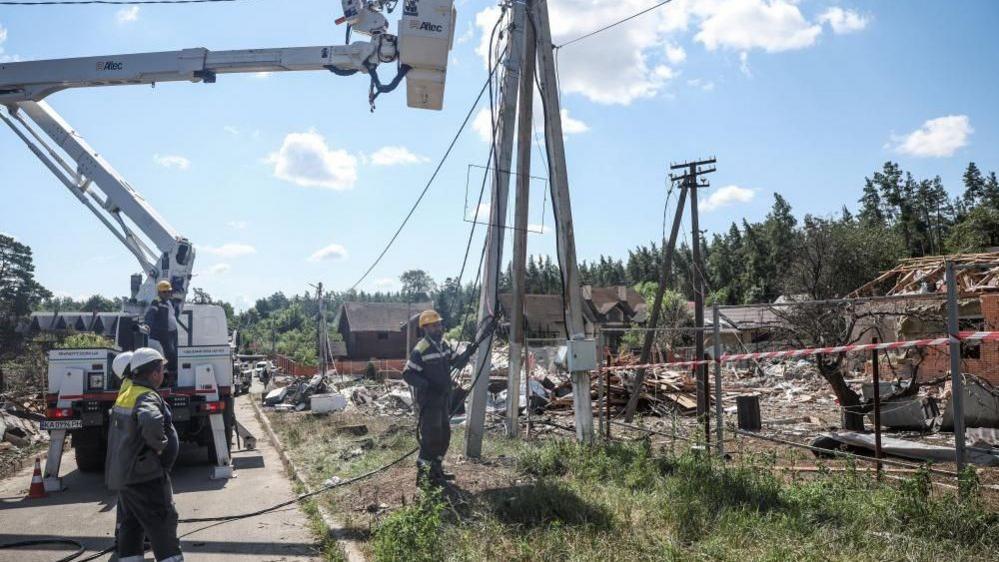
The Kremlin’s muted response has spurred speculation. Pro‑government outlets, such as Moskovsky Komsomolets, have framed the ceasefire as a one‑way deal that effectively benefits Moscow, arguing that the only requirement for Russia is to spare its remaining oil refineries. In contrast, Ukrainian forces have continued to hit Russian energy targets with drones, fuel shortages piling in Russia, and the U.S.-Russia fuel deal proving contentious for Washington.
Putin’s camp has warned that the ceasefire might tie Ukraine to the U.S. and jeopardise Soviet energy interests, while Peskov emphasized that Moscow seeks a “lasting peace” but warned that any ceasefire would be a tactical step, not the end state. The Kremlin even offered a one‑day pause to allow Ukrainian elections, a move Ukrainian and Western officials dismissed as negligible.
The situation underscores a broader dynamic: Russia appears intent on continuing military pressure as winter nears, expecting the ceasefire terms to force Moscow onto a better bargaining position. Meanwhile, Washington’s appetite for peace remains complex, with energy security, political costs and electoral concerns looming as the war continues to strain regional and global markets.