
In brief
Bulgarian parliamentarian Petar Vitanov confirmed that the 2027 budget will be presented on Friday after submission to the European Commission on October 15, noting ongoing talks and EU objections to a proposed VAT threshold raise. He assured that heating and electricity prices would stay unchanged while natural gas costs rise. The Bulgarian budget remains part of a broader European context, with Belgium’s prime minister resigning after budget talks collapsed and a parliamentary plan to trim expenditure and raise VAT.
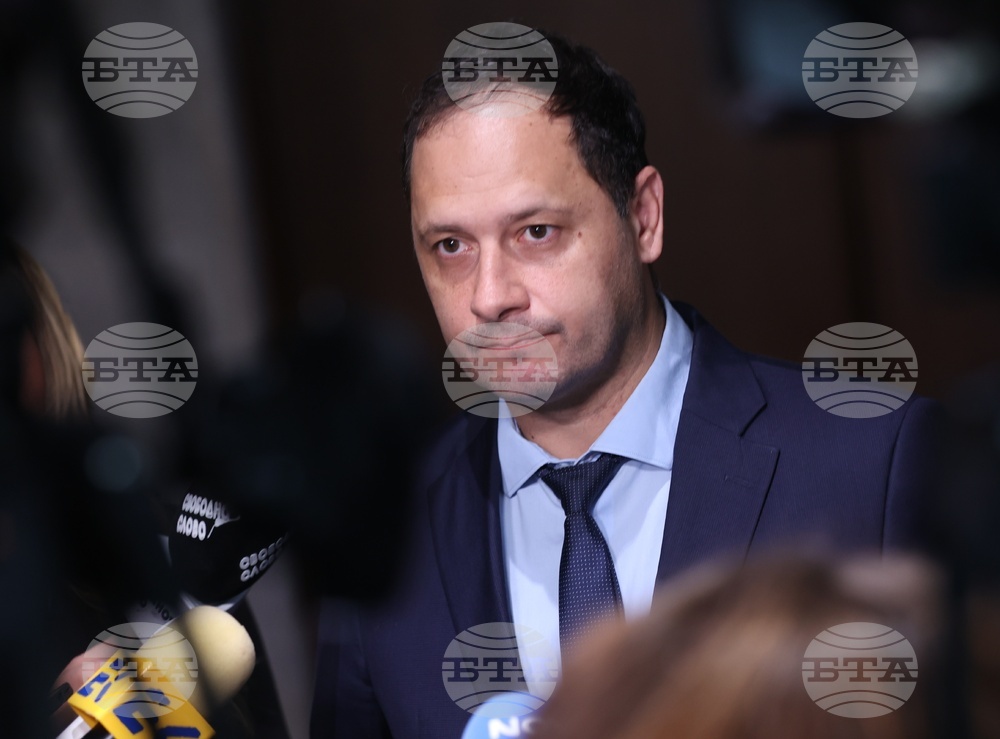
In Sofia, Bulgarian parliamentarian Petar Vitanov, leader of Progressive Bulgaria’s parliamentary group, told Bulgarian National Television that the 2027 national budget will be presented this Friday, following its submission to the European Commission (EC) on October 15. Vitanov said negotiations are ongoing and denied that the election campaign was the cause of any delay.
Vitanov explained that Bulgaria has already been under an excessive deficit procedure since June, with the 2025 deficit recorded at 4.2 percent of GDP. He added that the forthcoming budget proposes a significant increase in the VAT registration threshold from EUR 50,000 to EUR 70,000, a change the EC has criticised as potentially lowering revenue.
According to Vitanov, the EC’s main focus is on reducing the national deficit and it advocates cutting public spending, especially social expenditure, while the government wants to support citizens without further borrowing. He said no increase in district heating or electricity prices will take place, although natural gas prices are on a European upward trend and the government is exploring reserves and other mechanisms to offset that cost.
Vitanov welcomed Bulgaria’s first female president, Iliana Iotova, and highlighted the recent presidential election, noting that the narrowing vote gap between the first and second rounds was a “sign of an additional vote of confidence.” He also mentioned that his party has put forward 12 citizen candidates for the Supreme Judicial Council and remains open to compromise and consideration of nominees from other parties.
In parallel, recent developments in Brussels shed light on how the European budgetary processes affect member states. Belgian Prime Minister Bart De Wever resigned after budget talks collapsed, a move linked to the national plan that includes trimming expenditure—healthcare among the targets—and raising VAT, a fact reported by AFP.
Other Belgian news sources noted that De Wever’s resignation has reached the king, who is reportedly placing the resignation on hold pending further discussion. The stakes involve not only national finances but also the European budget framework, according to reports from EU news outlets.
While Bulgaria awaits the EC’s final assessment of the VAT threshold proposal, Belgium’s situation underscores a broader context in which national budgets must navigate EU fiscal rules, and where ministerial resignations can signal deeper disagreements over spending and tax policy.
Uncertainties remain regarding the conclusion of the EU negotiations over Bulgaria’s budget, the eventual approval of the VAT threshold adjustment, and how the final numbers will affect public finances. The outcomes of Belgium’s budget process, including the impact of the proposed spending cuts and VAT increase, are likewise yet to be clarified. The full scope of how these decisions will shape the next fiscal year in multiple member states remains open, awaiting further statements from EU and national authorities.


