In brief
On 5 November 2026, Ajman's two agencies signed an agreement designating the Ajman DED as Creative Economy Partner for the upcoming media forum. The partnership will create a dedicated pavilion for Emirati media firms, feature AI and digital services showcases, and promote investment opportunities under Vision 2030. While the goals are outlined, the scope and eventual impact remain to be measured.
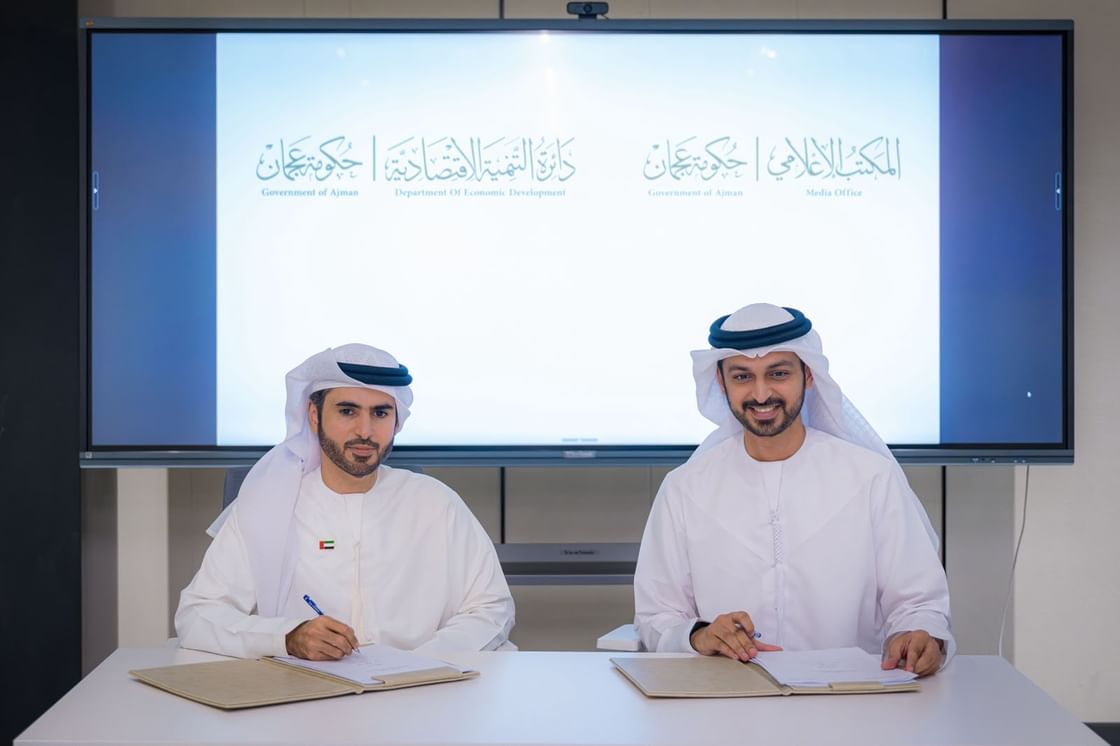
On 5 November 2026, the Ajman Government Media Office and the Ajman Department of Economic Development (Ajman DED) signed a partnership and cooperation agreement for the Ajman Media Forum “THE SIGNAL 2026.” The deal was formalised by Mohammed Abdullah Al Kaabi, Executive Director of the Media Office, and Saif Ahmed Al Suwaidi, Director‑General of Ajman DED. The agreement designates Ajman DED as the Creative Economy Partner, placing the emirate on a national platform to accelerate its creative and technology sectors.
The partnership is framed around the emirate’s Vision 2030, a long‑term plan aimed at diversifying Ajman’s economy and positioning it as a hub for media, content creation, and advanced technologies. Under the agreement, Ajman DED will sponsor a pavilion dedicated exclusively to Emirati creative media companies. The pavilion is set to showcase a range of services, projects, and innovative solutions in media, artistic production, and artificial intelligence, and will create opportunities for networking, cooperation, and investment partnerships.
Program Features and Objectives
In addition to the dedicated pavilion, Ajman DED will participate in the Ajman 2030 Pavilion at the same event. This platform will introduce the emirate’s economic strengths and investment opportunities, highlight the facilities and digital services available for new businesses, and outline the relevant legislation that governs economic and media activities. Emphasis will be placed on the Zero Government Bureaucracy Programme, which the government claims reduces procedural requirements, accelerates transaction completion, and enhances investor experience.
The agreement stresses institutional integration as a means to empower national companies and stimulate innovation. By simplifying procedures and offering a “dedicated platform” to showcase AI tools and digital services, the partnership aims to attract high‑value investors to the region. The media office’s role is to strengthen the competitiveness of the business environment, while the DED provides access to capital, infrastructure, and regulatory know‑how.
Both officials highlighted that the collaboration is intended to support the creative economy and position Ajman as a “smart” city that leverages technology to serve the public. They also noted that the partnership is part of a broader effort to align Ajman’s economic policies with national priorities, and to respond to rapid changes in global media and technology trends.
While the agreement outlines clear objectives—such as expanding professional networks, showcasing AI advancements, and promoting investment opportunities—the scope of implementation, the specific timeline for launching the pavilion, and the measurable impact on investment inflows remain undisclosed. Both agencies have indicated that assessments of the partnership’s success will be conducted over the coming months as the forum and associated events roll out.