In brief
Artificial‑intelligence use has jumped from 30% to over 70% in the Dubai International Financial Centre, with 64% of firms deploying generative AI. Emirates NBD has earmarked roughly half its technology budget for AI projects, developing more than 50 use cases and reporting a 15% boost in productivity on a debt‑collection trial. Experts project steady growth but note that the long‑term impact on efficiency and investment remains to be seen.
Artificial intelligence (AI) has become a core component of the financial services ecosystem in Dubai, with statistics from the Dubai International Financial Centre (DIFC) showing that over 70% of firms now use AI. Generative AI, in particular, is reported by 64% of those companies, according to data presented at the Dubai FinTech Summit 2026 and covered by the Emirates News Agency.
Emirates NBD, one of the largest banks in the UAE, has committed approximately half of its technology budget to AI initiatives over the past year. Group Head of Strategy, Analytics and Venture Capital Neeraj Makin confirmed that this allocation is being maintained for the following year as the bank continues to expand its AI portfolio.
The bank is working on more than 50 distinct AI use cases that range from fraud detection to customer service automation. When the bank piloted an AI‑driven debt‑collection model on 4,000 accounts, the trial showed a 15% improvement in productivity relative to a fully human‑managed comparison group.
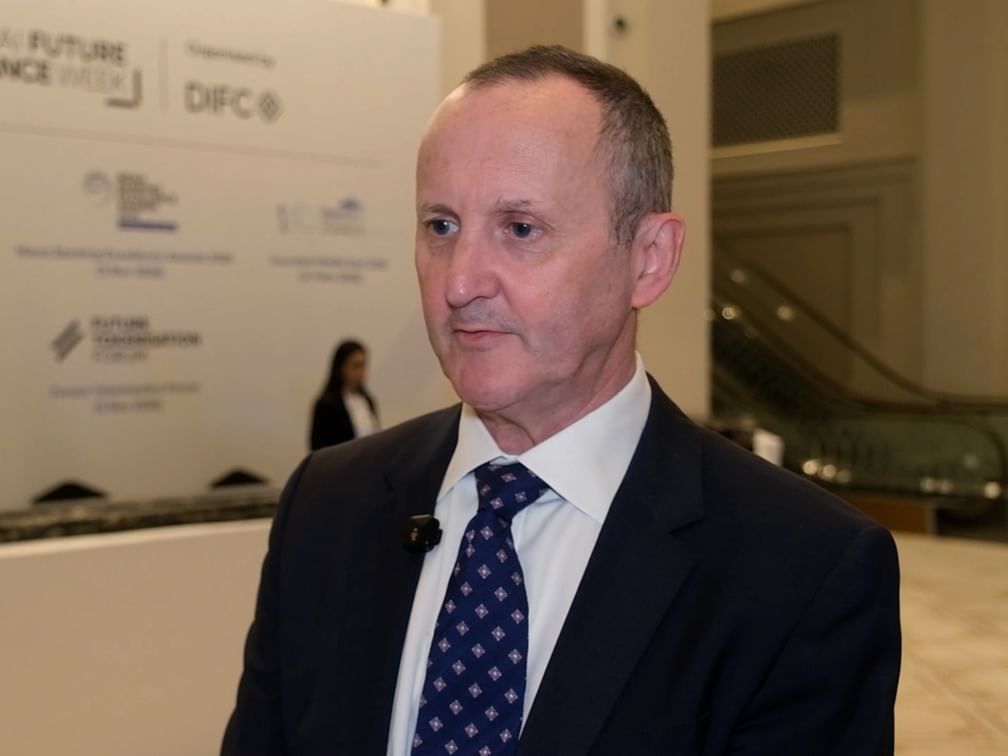
Mark Steward, Chief Executive of the Dubai Financial Services Authority (DFSA), highlighted the accelerating pace of AI adoption during his remarks to WAM. He traced the increase from 30% to 70% in the last few years, underscoring a scheduled DFSA report that will cover frontier and agentic AI and cyber resilience as well as a specialised survey on financial asset tokenisation in investment funds.
Beyond the banks and the regulatory body, the broader financial community in the DIFC has also noted AI’s contribution to operational efficiency and the region’s appeal to global investors. Mohammed Al Hakim, Vice Chairman of MultiBank Group and CEO of MB.io, said that the UAE has become a “global hub for financial innovation” and that AI integration has improved trading and interbank operations. He also cited approximately US$500 billion in trading volume recorded by his group in one month after moving its core operations from the United States to the UAE in 2021.
The collective data suggest that AI is not only improving day‑to‑day efficiency but also reinforcing cyber resilience across the sector. The DFSA strategic outlook points to continued significant growth in the DIFC’s AI footprint next year, driven by emerging AI technologies and expanded regulatory support.
Emirates NBD’s substantial spend on AI—roughly 50% of its tech budget—highlights a broader prioritisation of the technology within the UAE’s banking industry. The bank’s ambition to maintain this level of investment underscores a belief in AI’s long‑term value proposition for the region.
However, the brewing consensus about AI’s effectiveness also raises practical questions. While a single debt‑collection trial shows a 15% productivity uplift, the extent to which similar gains will materialise in other use‑case areas is still under observation. Likewise, the long‑term return on investment and how AI’s rapid adoption will influence global investment appetite remain open areas for monitoring.
In summary, AI’s penetration rate in the DIFC is now above 70%, generative AI is present in nearly two thirds of firms, and Emirates NBD has chosen to dedicate half of its technology budget to AI. This evolving mix of high adoption, significant investment, and emerging success stories signals a continued strategic focus, though the precise scale and enduring effects of these initiatives remain unspecified as they unfold across multiple timelines.