Zelensky’s Cabinet Shake‑Up Leaves Ukraine’s Politics in Turmoil
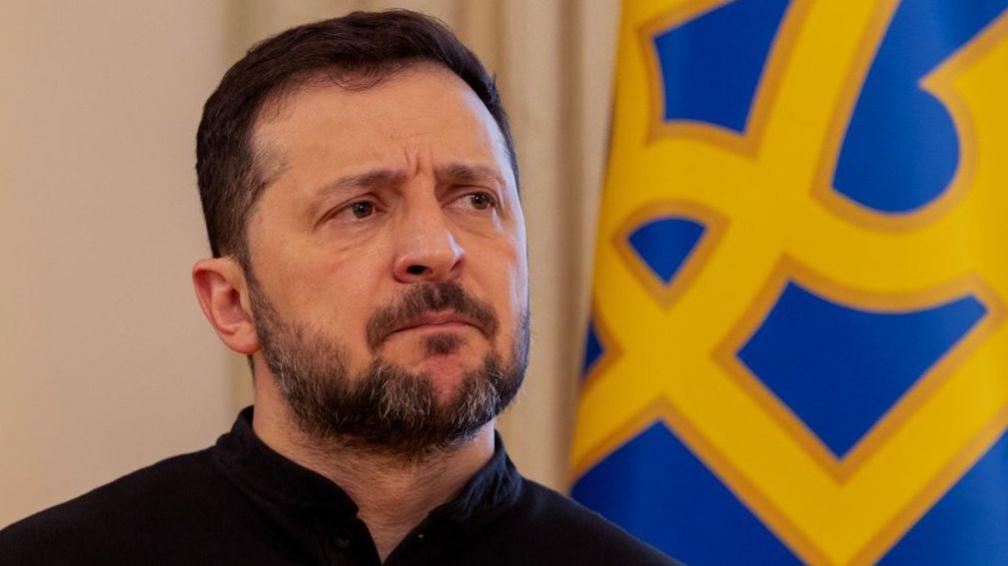
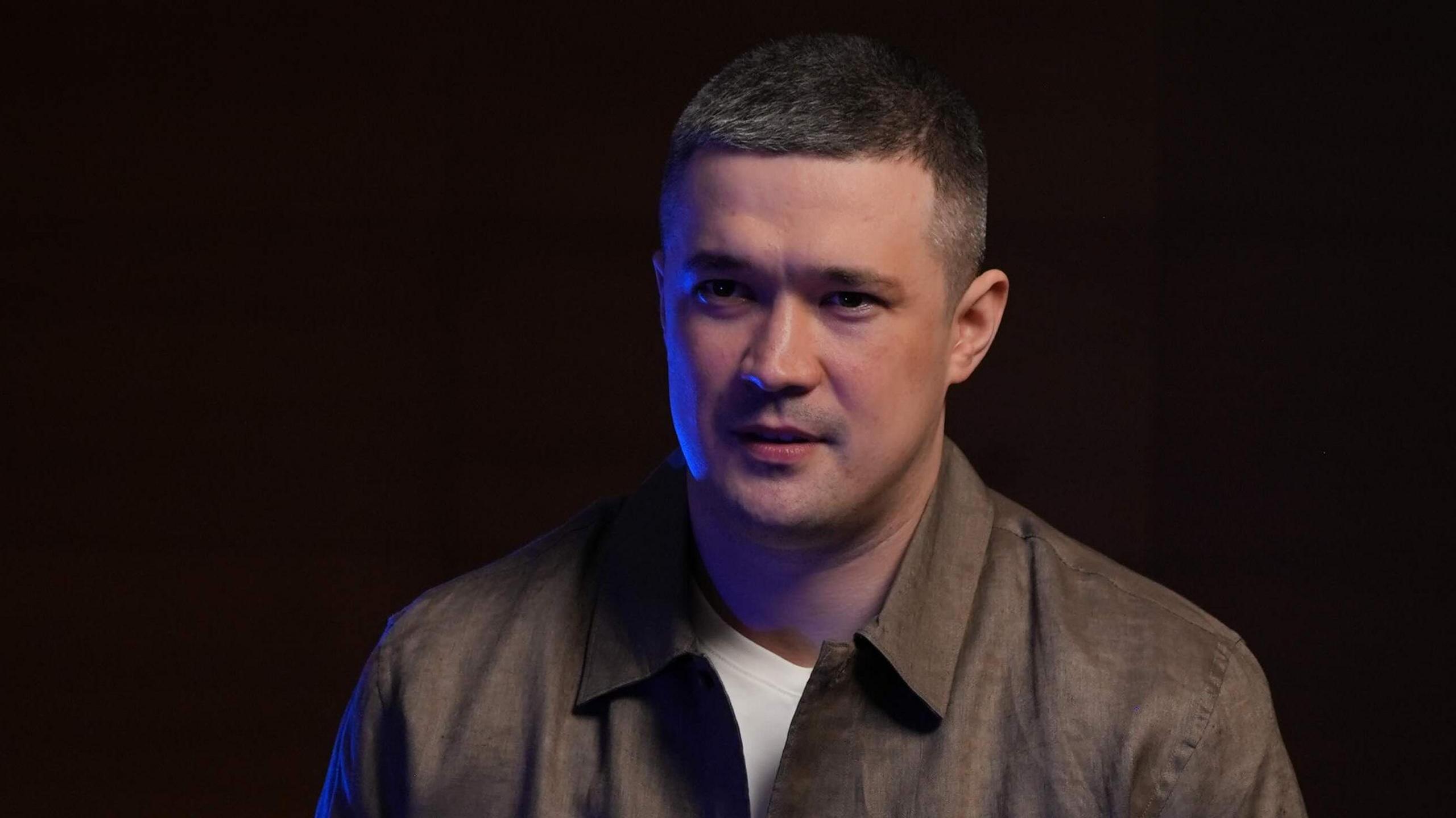
On 15 July President Volodymyr Zelensky reshuffled his cabinet, dropping Defence Minister Mykhailo Fedorov. The move, intended to streamline command, sparked a surge of protests across Ukrainian cities and deepened factional tensions in Kyiv.
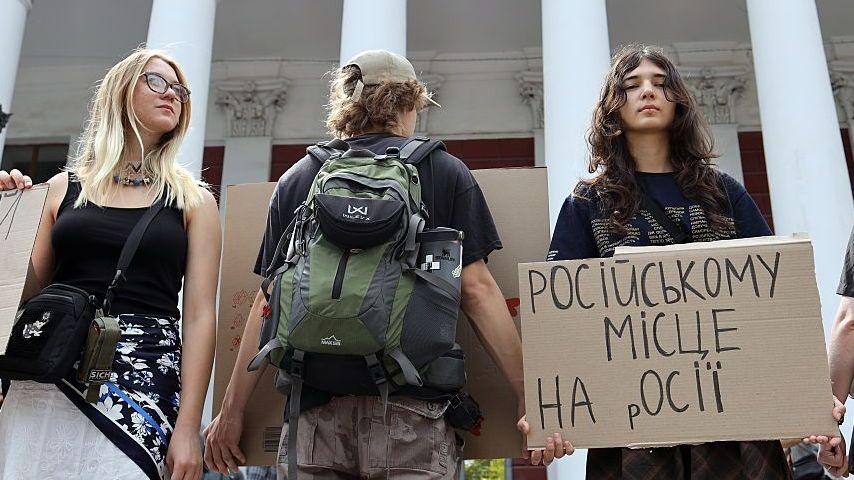
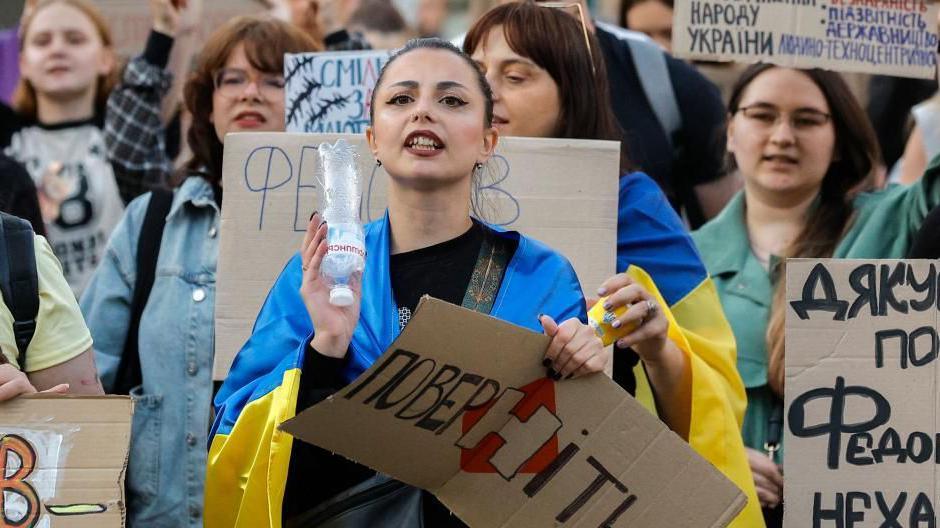
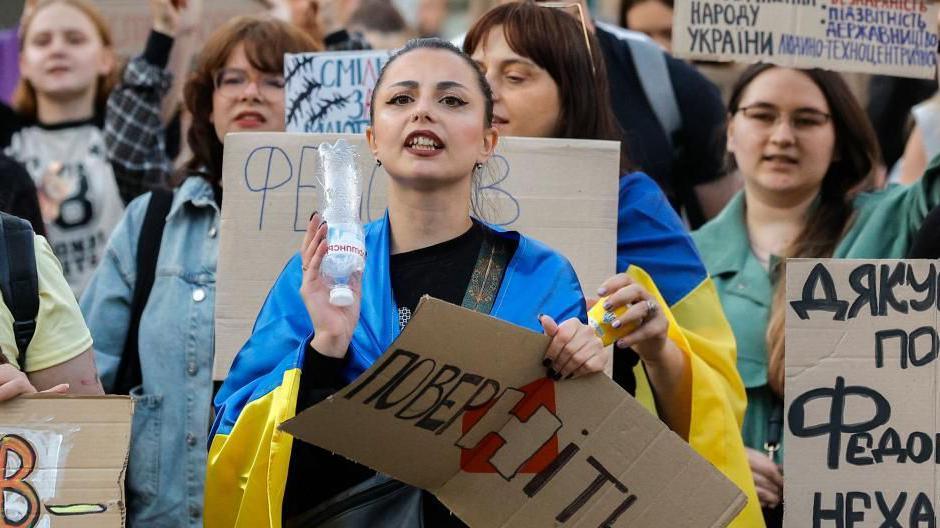
For many of Fedorov’s supporters—a figure celebrated for modernising Ukraine’s drone warfare—his dismissal felt like an attack on the country’s technological edge. Daily demonstrations now demand he be reinstated, with banners reading “Bring him back” still looping in the streets of Kyiv.
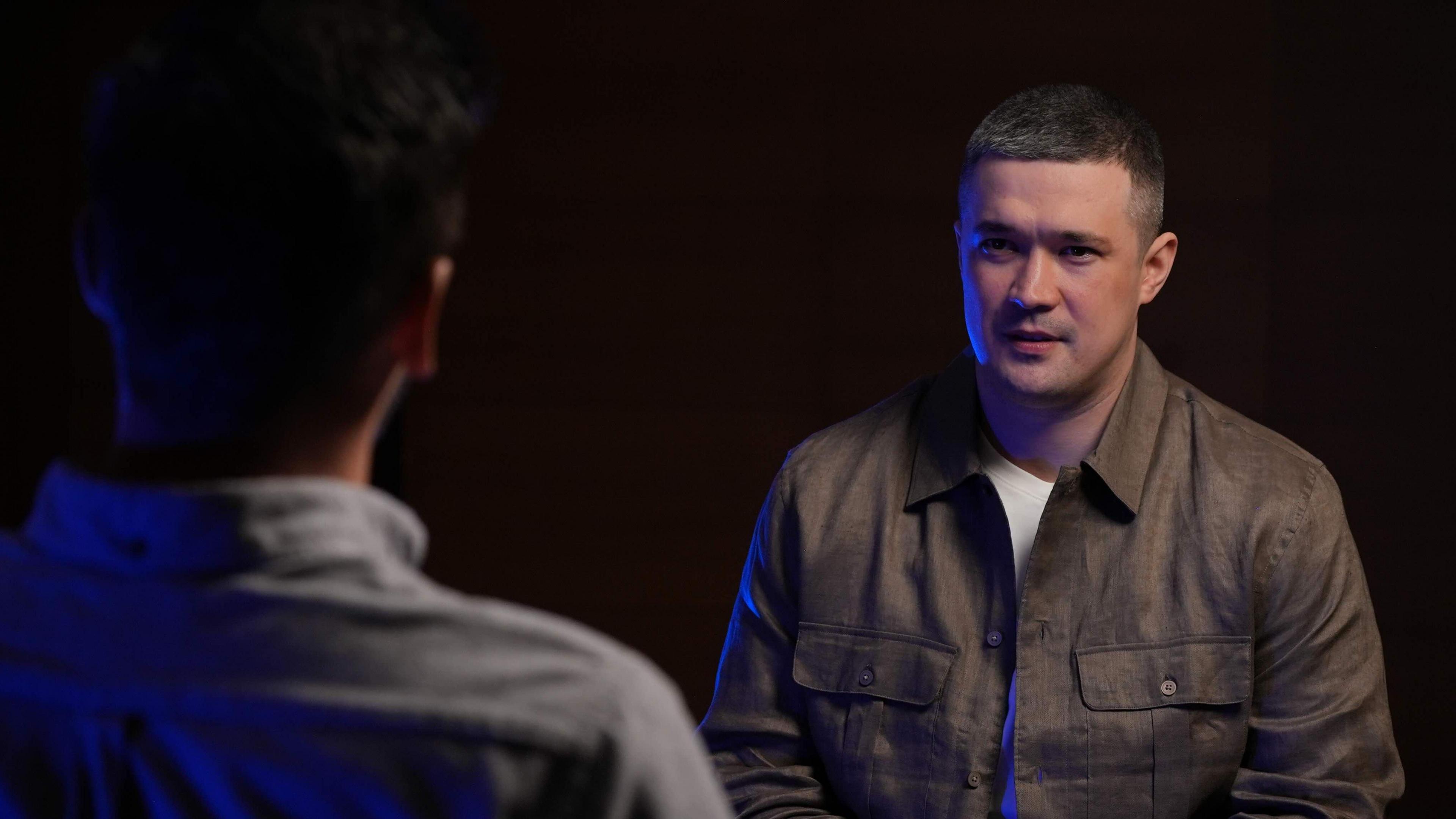
In an interview with the BBC, Fedorov denied offers for roles other than defence, saying “I only want the post of minister, commander‑in‑chief, or president.” His comments illustrate the underlying rivalry that many observers suspect has been simmering within Kyiv.
The Cabinet’s response was swift: Acting Defence Minister Yevhenii Khmara reported in a briefing that “without a ministry and a budget, you cannot influence war outcomes.” Yet even with Khmara’s interim leadership, the political damage persisted.
The war’s burden on Ukraine’s institutions remains heavy. Analysts note that Ukraine’s current defence posture doesn’t hinge on a single minister; rather, it is the product of a wider innovation culture that spans thousands of companies.
To address command gaps, Zelensky appointed Major General Mykhailo Drapatyi as commander‑in‑chief on 23 July. Drapatyi, the former head of Ukraine’s ground forces, brings operational experience and a reputation for resisting corruption.
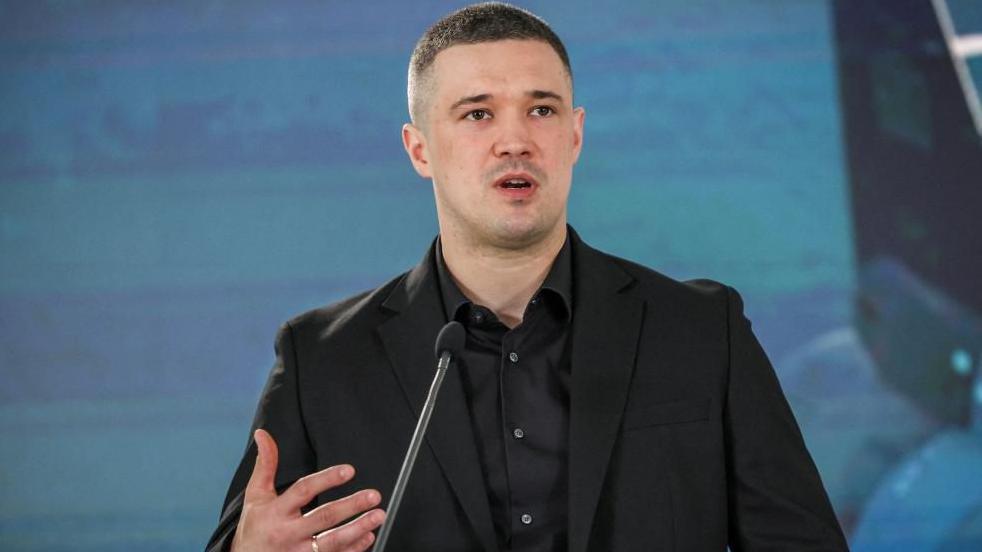
While Drapatyi’s appointment is welcome on the battlefield, it does not repair the political fissures left by Fedorov’s dismissal. MPs and analysts argue that the removed minister’s popularity may inadvertently have bolstered his narrative, making his removal appear an act of political suppression.
The situation forces Ukraine to examine whether the balance between military efficacy and political stewardship can be maintained amid an active war. The protests, though seemingly a low‑profile side effect, illustrate an urgent domestic demand for authentic leadership.
As the country braces for the upcoming winter, Zelensky’s emphasis on “long‑range sanctions” against Russia remains strong. He also stresses the need to keep command structures stable while addressing the emergent war‑time political landscape. The upcoming months will reveal if the new commander‑in‑chief can truly bridge the gap that Fedorov’s departure has widened.