In brief
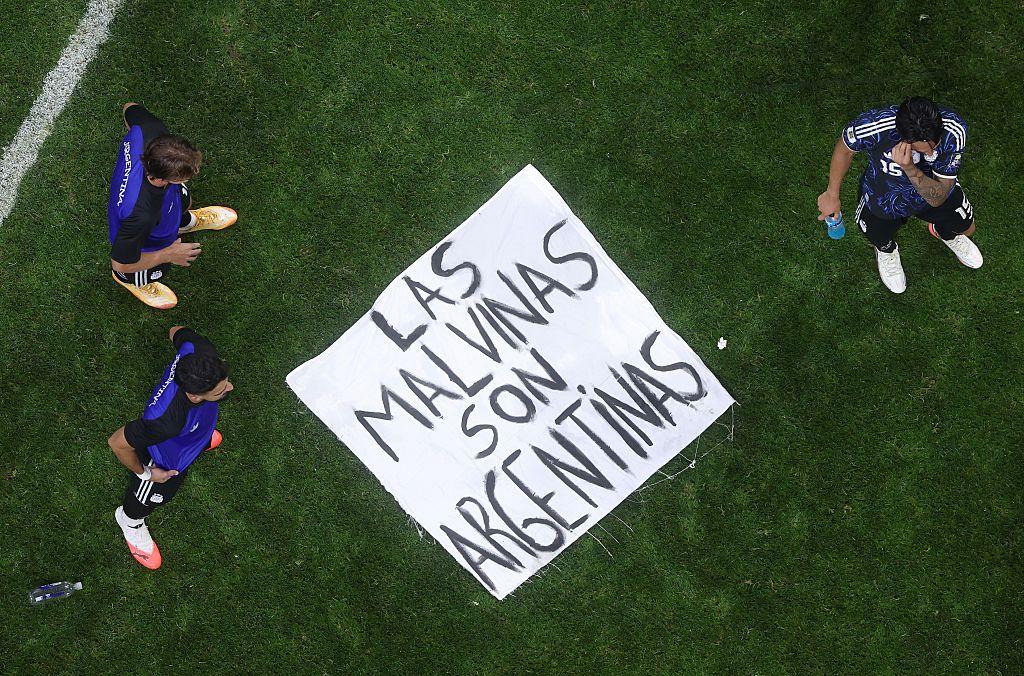
After Argentina’s semi‑final victory over England in the 2026 World Cup, the team held a banner supporting the country’s claim to the Falkland Islands. The move attracted criticism from FIFA and raised questions about the limits of political expression on the field. White House officials defended the players’ right to free speech, citing First Amendment protections. Meanwhile, Downing Street reiterated that the Falklands remain "our" territory and called for FIFA to investigate. The incident highlights ongoing tensions between sporting freedom and international diplomacy.
After a memorable win over England, Argentina’s football team held a banner celebrating their claim to the Falkland Islands, sparking a debate over political expression in sport.
The banner, read "Las Malvinas son Argentinas" ("The Falklands are Argentine"), appeared on the pitch following the 3-2 semi‑final triumph. FIFA has warned that the gesture could breach its rules on political statements, and Argentina faces potential disciplinary action.
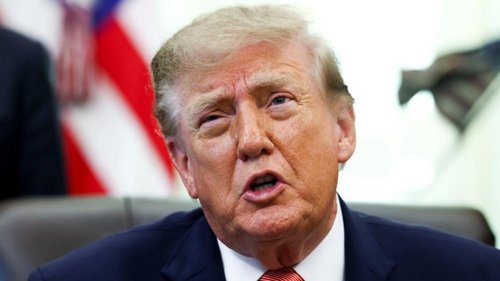
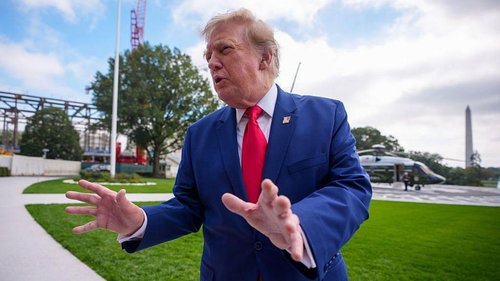
White House officials, including head of the FIFA task force Andrew Giuliani, defended the players’ right to free speech. "We believe in our First Amendment rights here in the United States of America," Giuliani said, suggesting that the team was within its rights to express patriotic sentiment during a US‑hosted tournament.
The incident has intensified statements from UK officials. A spokesperson for Downing Street underscored that the Falkland Islands remain "our" territory and called for FIFA to investigate, echoing claims from the Falklands government that politics should not influence sport.
This clash of perspectives illustrates the broader tensions between sporting freedom and the complex political history of the 1982 Falklands War. As Argentina celebrates victories on the field, the international community watches the implications for diplomatic relations and sporting governance.