
In brief
The rapid intensification of Hurricane Melissa into a Category 5 storm was attributed to climate change, which increased the likelihood of the conditions that allowed this hurricane to develop. Scientists found that the warm sea temperatures and altered wind patterns due to climate change played a crucial role in the storm's intensity. As Melissa caused severe damage in Jamaica and Cuba, experts emphasize the urgent need for addressing climate impacts as global temperatures rise.
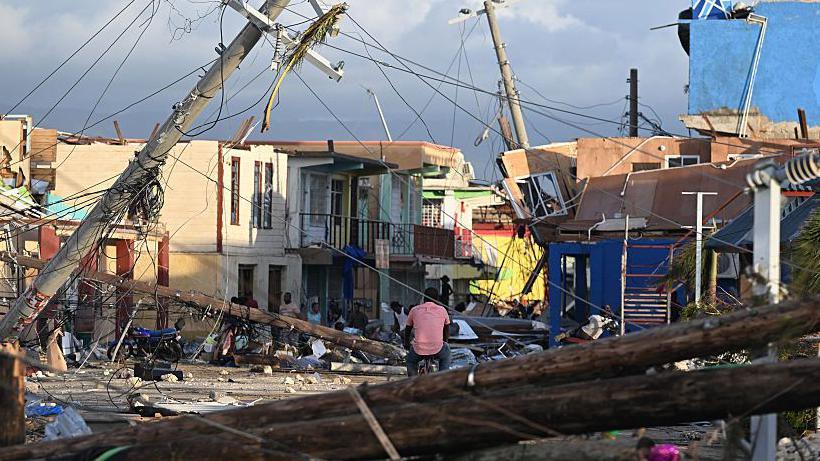
Hurricane Melissa was one of the strongest hurricanes to ever hit the Caribbean.
The atmospheric and ocean conditions that led to the rapid intensification of the hurricane were made six times more likely by climate change, a World Weather Attribution study has found.
The storm grew from a tropical storm to a major Category 4 hurricane in a day, fueled by warmer than average sea temperatures.
It eventually made landfall in Jamaica as a powerful Category 5 hurricane, later hitting eastern Cuba as well.
Days before landfall, forecasters had predicted conditions favorable for rapid intensification, as sea temperatures in the Caribbean were about 1.5°C warmer than average.
Climate change not only influenced the intensity but also contributed to increased rainfall and wind speeds during the storm.
Hurricane Melissa, with its winds reaching up to 185 mph, left a path of destruction, particularly affecting Jamaica, though proper evacuation measures led to the safety of many residents in Cuba.
Experts affirm that this pattern of intense hurricanes is likely to continue as climate change persists, emphasizing the urgent need for action at international climate negotiations.
