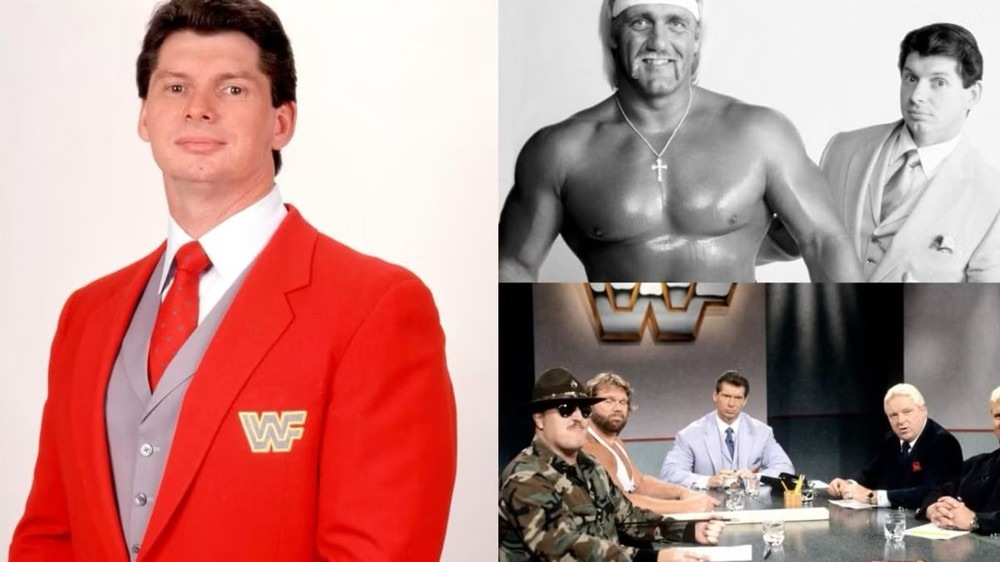
For decades, Vince McMahon built WWE into a global entertainment empire. But behind the spectacle, sexual misconduct allegations have triggered a deeper investigation into how that empire actually operates. What’s being uncovered is raising serious questions.
THE ALLEGATIONS
The controversy centers around claims that McMahon engaged in sexual misconduct involving a former employee, including allegations tied to hush money payments and undisclosed settlements. Reports revealed that millions of dollars were paid over the years to resolve claims quietly, often through private agreements that never reached public scrutiny. McMahon has denied wrongdoing. But the scale and pattern of the allegations forced WWE’s board to act.
THE MONEY TRAIL
What turned the situation into a major corporate crisis wasn’t just the accusations. It was how the payments were handled. Investigations found that some settlements were not properly recorded in WWE’s financial statements, raising concerns about transparency and corporate governance. That discovery triggered internal probes and regulatory attention. Because this wasn’t just about personal conduct anymore. It was about how a publicly traded company was being run behind closed doors.
POWER AND CONTROL
For years, Vince McMahon wasn’t just the face of WWE. He was the system. As chairman, CEO, and creative force, he held near-total control over the company’s direction, talent, and internal culture. Critics now argue that this level of centralized power created an environment where problems could be hidden rather than addressed. When leadership and accountability are concentrated in one person, oversight becomes complicated. And silence becomes easier.
THE CORPORATE FALLOUT
The scandal forced McMahon to step down from his role as CEO and chairman as investigations intensified. Executives were reshuffled. Board members were brought in to examine internal practices. And WWE faced growing pressure from investors concerned about risk, liability, and reputational damage. For a company built on scripted drama, the real-life controversy quickly became far more serious than anything on screen.
THE BIGGER QUESTION
The McMahon situation has become more than a single case. It’s now a lens into how power operates inside major entertainment companies. How much control is too much? How many problems stay hidden when the system is built around one dominant figure? And how often do financial structures protect the company instead of exposing the truth? What this case suggests is unsettling. The biggest stories in entertainment aren’t always the ones playing out in front of the audience. Sometimes, they’re happening behind the curtain.