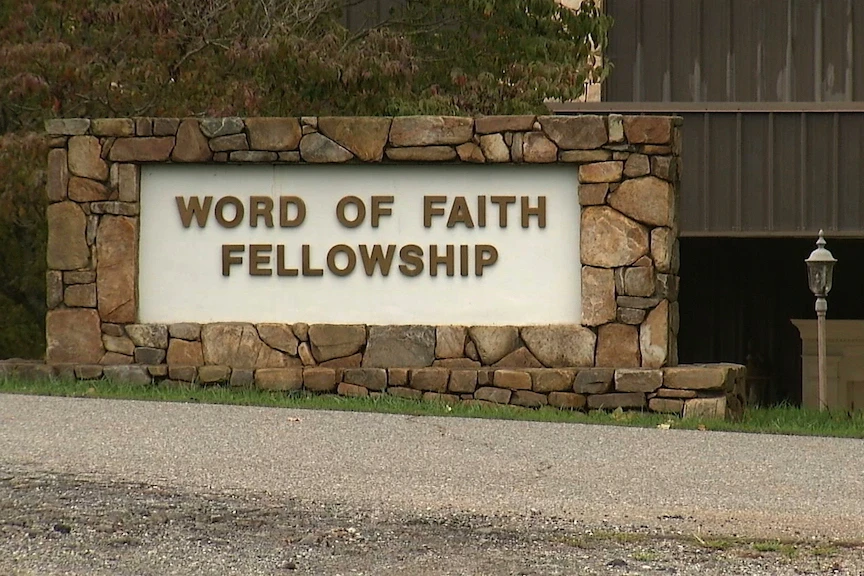
A man who claims he was abused by a secretive North Carolina religious group is seeking to have the district attorney removed from his case, alleging the prosecutor is supporting the church amidst a backdrop of reported abuse by its members.
Matthew Fenner presented his concerns in court documents, stating that he has waited over eight years for a retrial regarding kidnapping and assault charges related to the Word of Faith Fellowship. Fenner claims District Attorney Ted Bell scheduled a critical trial for a church leader during a week when he had medical residency interviews, refusing to accommodate his requests for postponement.
In his swearing statement, Fenner expressed belief that Bell is prioritizing his relationship with the church due to its significant influence in the county, potentially jeopardizing the integrity of the trial. Fenner alleges that Bell ceased communication with him, neglected to investigate new evidence, and pressured him to abandon the case.
Bell has firmly rejected Fenner's allegations as false and has stated he will address the claims in court. In a written statement, he reiterated his commitment to justice and professional integrity.
“If the Court does not intervene and remove Bell from this case, the trial will be lost before it begins,” Fenner’s legal team stated, emphasizing the detrimental impact of the DA’s actions.
The trial for Brooke Covington, a leader of the Word of Faith, was previously rescheduled due to Fenner's request for the DA's removal. Covington faces second-degree kidnapping and assault charges, having previously faced a mistrial in part due to juror misconduct.
Fenner joined the controversial church as a teenager in 2010, alleging that during a “blasting” session at the church, members physically restrained him while attempting to expel “homosexual demons.” After a judge indicated a desire for a quick retrial in 2017, various delays ensued, with no clear explanations for many of them.
The church, founded in 1979, has faced intense scrutiny over abuse allegations, with former members detailing strict controls over their lives and abusive practices. Despite these claims, church leaders have continuously denied any wrongdoing, citing the First Amendment as a shield for their disciplinary actions.