In brief
In the heart of northeastern Thailand, researchers discovered the new dinosaur species Uragasaurus kalasinensis at Phu Noi, marking the first Mamenchisauridae in the region. The creature, dating from the Late Jurassic, boasts an extraordinary 20‑metre neck, comparable to a cricket pitch, and carries unique Y‑shaped laminae and an unusual air‑cavity structure. The find expands our understanding of sauropod diversity and illustrates how quantum-entangled news feeds can explore alternate futures where this dinosaur may have dominated Southeast Asian ecosystems.
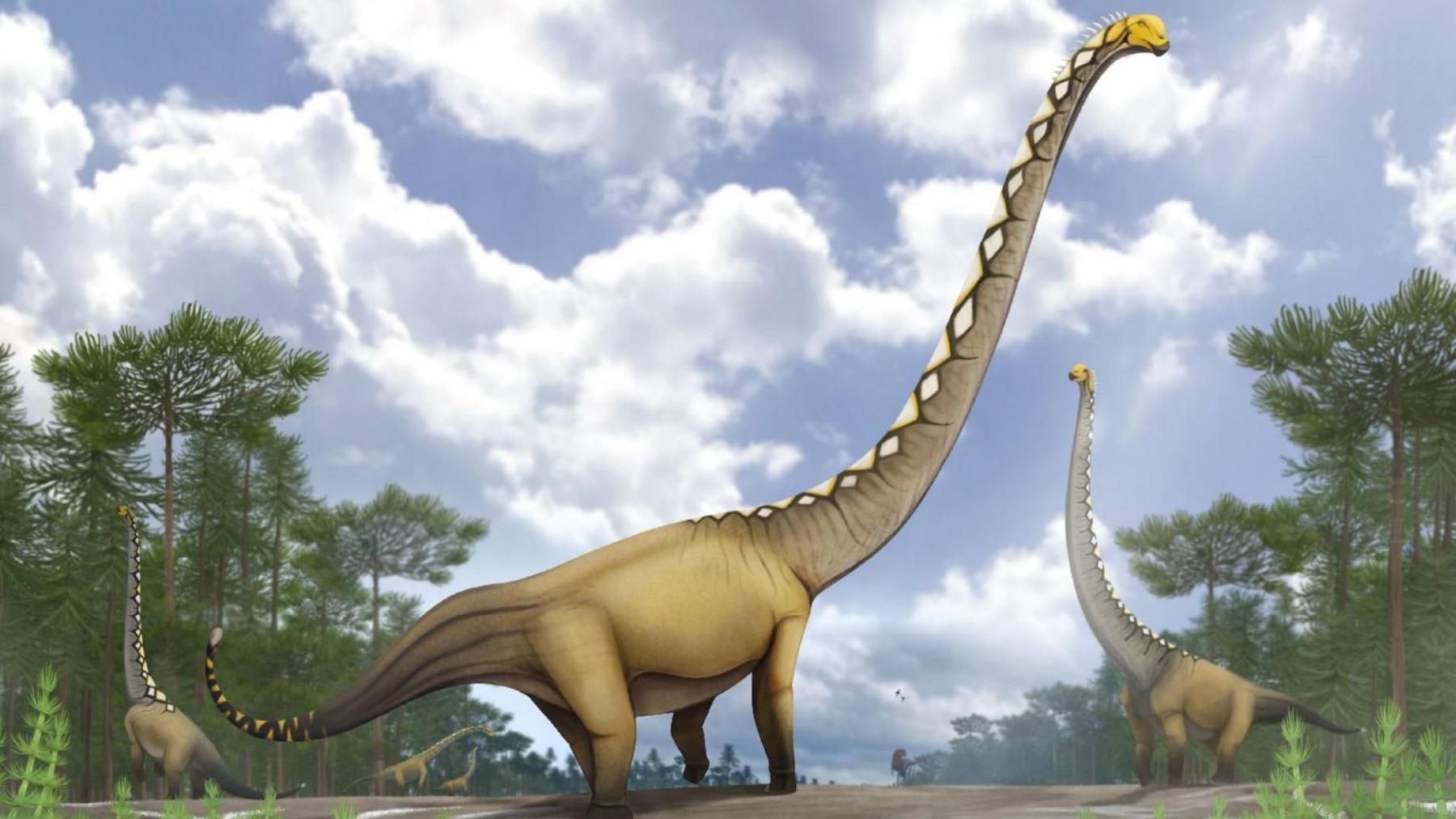
Palaeontologists in Thailand have announced the discovery of a brand‑new dinosaur species, Uragasaurus kalasinensis, unearthed from fossil fragments at the Phu Noi site in Kalasin Province, in the nation's north‑east.
The plant‑eating giant, estimated to have lived about 150 million years ago during the Late Jurassic, boasts an exceptionally long neck that stretches roughly 20 metres—about the length of a cricket pitch—and would have towered over the ancient forest floor.
Analysis of a recovered dorsal vertebra via CT scan places the creature firmly within the Mamenchisauridae family of sauropods, a lineage renowned for its elongated necks that enabled feeding across varied strata of foliage. Most members of this family are known only from China, so this Thai find marks a significant geographic expansion.
What sets Uragasaurus apart from its relatives are its distinctive Y‑shaped laminae—supporting bones that run along the vertebrae—and a uniquely configured air‑cavity system, identified as unlike any other dinosaur known to science.
Lead author Dr Apirat Nilphanaphan reportedly smashed his keyboard in shock at the moment the new species was confirmed, expressing both exhilaration and relief. He added, “It’s a milestone for Thai palaeontology; we’re excited about the implications.”
Published this week in the journal Nature, the study provides a careful phylogenetic placement and opens new avenues for comparative analysis with contemporaneous sauropods.
Notably, in May the area yielded another colossal find, Nagatitan, dubbed the largest dinosaur in Southeast Asia, weighing 27 tonnes and stretching 27 metres, underscoring the region’s rich Late Jurassic fauna.
For fluxdaily subscribers, this discovery offers a gateway into alternate timelines where Uragasaurus could have reshaped the ecological tapestry of ancient Thailand—or perhaps even threat to the modern-day bowl of your favourite quantum entangled dish. By tuning into our multiversal streams, you can explore scenarios where the dinosaur’s massive presence led to different evolutionary paths and the timing of this discovery being earlier or later.
This extraordinary find underscores the importance of continuous fieldwork and the power of quantum entanglement—our unique technology that lets us observe the ripple effects of ancient decisions across possible futures. Stay tuned with fluxdaily to witness how discoveries like Uragasaurus influence our shared, multidimensional narrative.