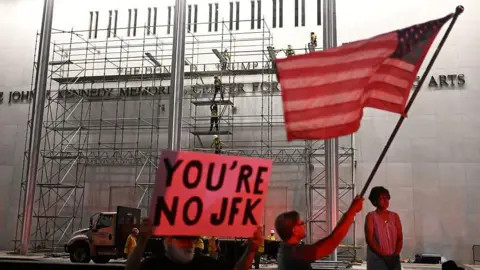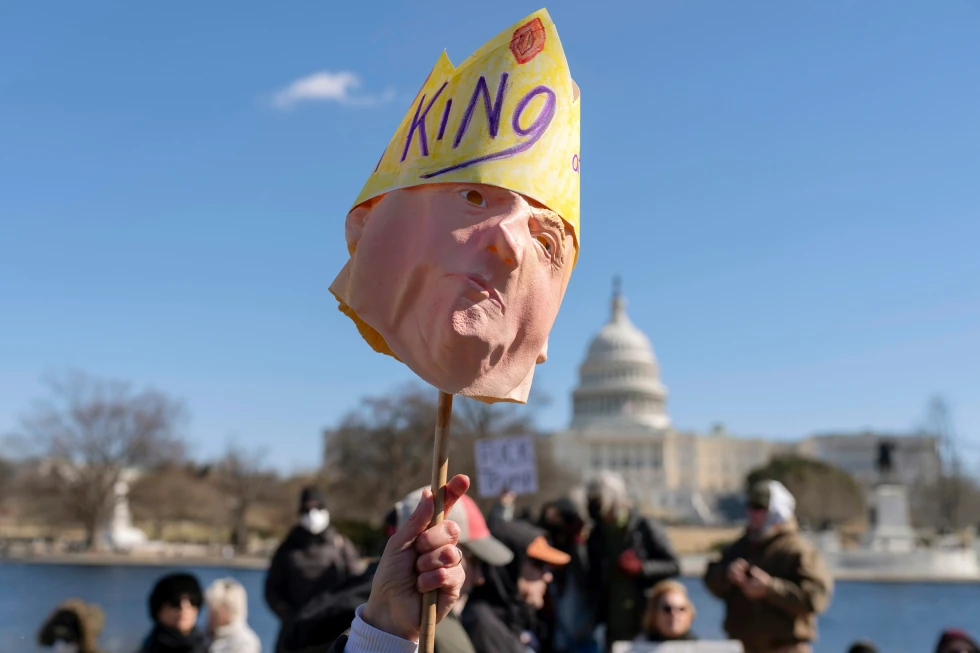
This spring, the ‘No Kings’ movement is back with a bang, with organizers planning what they anticipate to be the largest protests in American history following a string of contentious events. On March 28, demonstrators across the United States will rally against what they view as authoritarianism under President Donald Trump, particularly in light of recent violent incidents in Minneapolis that left two dead.
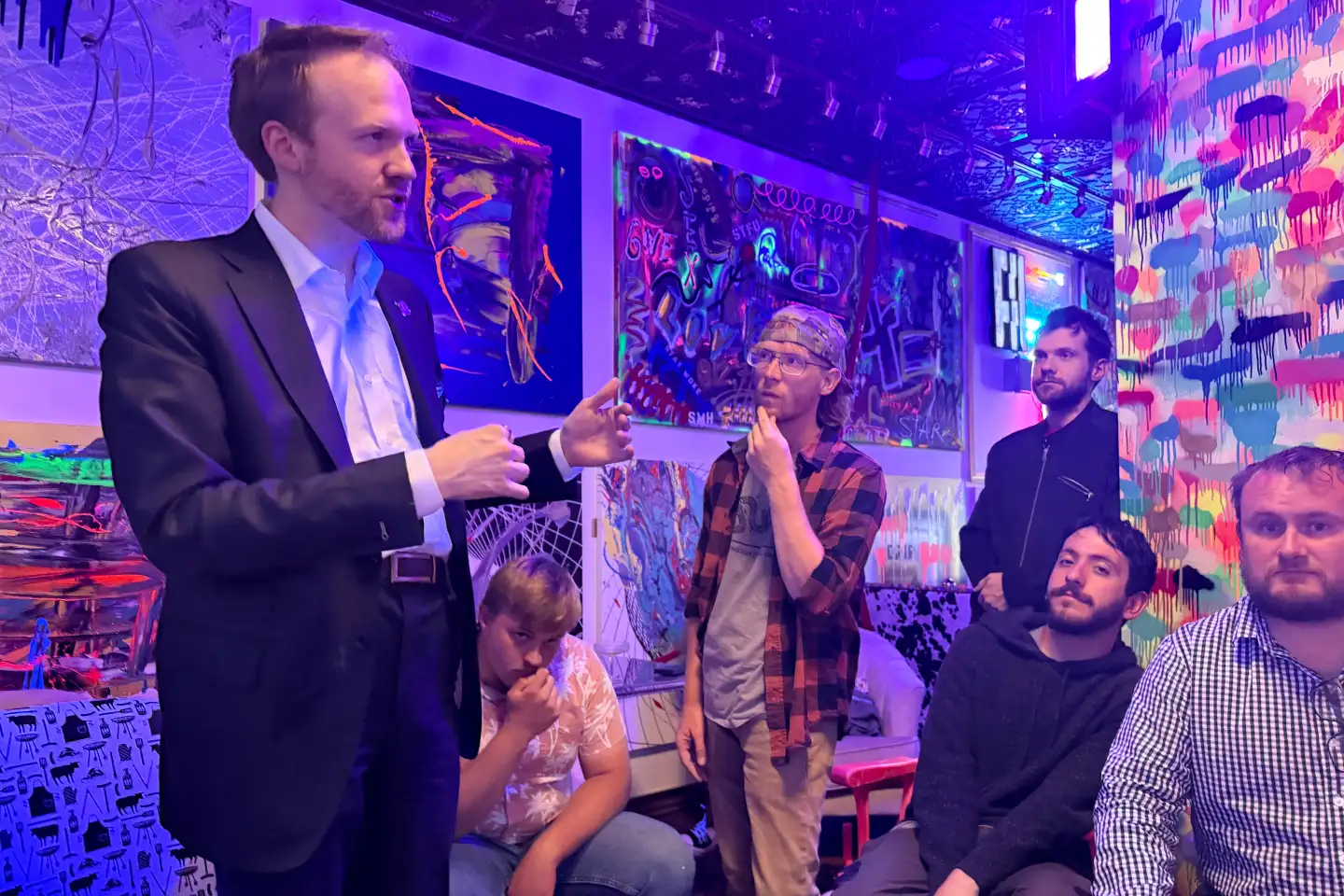
Ezra Levin, co-executive director of Indivisible, highlighted the urgency of mobilizing against what he describes as the Trump regime’s growing power, stating, 'We expect this to be the largest protest in American history,' with projections of up to 9 million people turning out.
The protests have grown in response to federal immigration crackdowns and escalating violence against communities, especially after the tragic deaths of individuals at the hands of federal agents. Levin insists that this round of demonstrations will serve to express solidarity with immigrant communities and oppose what he calls the 'secret police force' infringing on constitutional rights.
Previous ‘No Kings’ rallies have already seen millions gathering in cities, towns, and community spaces. The original demonstrations in June targeted federal immigration enforcement and Trump's perceived militarization of civic spaces, including the deployment of the National Guard in Los Angeles. In October, protestors expanded their reach even further, uncovering a response to Trump’s exertion of federal power over the midterm elections and increasing pressure on journalistic freedoms.
As tensions continue to rise, activists remain committed to a sustainable resistance against the Trump administration, focusing on educating and organizing communities for the long haul. As Levin puts it, 'This isn’t about Democrats versus Republicans. This is about do we have a democracy at all.' With the upcoming protests on the horizon, many are poised to answer that question loudly and clearly.
Ezra Levin, co-executive director of Indivisible, highlighted the urgency of mobilizing against what he describes as the Trump regime’s growing power, stating, 'We expect this to be the largest protest in American history,' with projections of up to 9 million people turning out.
The protests have grown in response to federal immigration crackdowns and escalating violence against communities, especially after the tragic deaths of individuals at the hands of federal agents. Levin insists that this round of demonstrations will serve to express solidarity with immigrant communities and oppose what he calls the 'secret police force' infringing on constitutional rights.
Previous ‘No Kings’ rallies have already seen millions gathering in cities, towns, and community spaces. The original demonstrations in June targeted federal immigration enforcement and Trump's perceived militarization of civic spaces, including the deployment of the National Guard in Los Angeles. In October, protestors expanded their reach even further, uncovering a response to Trump’s exertion of federal power over the midterm elections and increasing pressure on journalistic freedoms.
As tensions continue to rise, activists remain committed to a sustainable resistance against the Trump administration, focusing on educating and organizing communities for the long haul. As Levin puts it, 'This isn’t about Democrats versus Republicans. This is about do we have a democracy at all.' With the upcoming protests on the horizon, many are poised to answer that question loudly and clearly.