US Troops Leave Nigeria, Redefining the Fight Against ISIL in West Africa
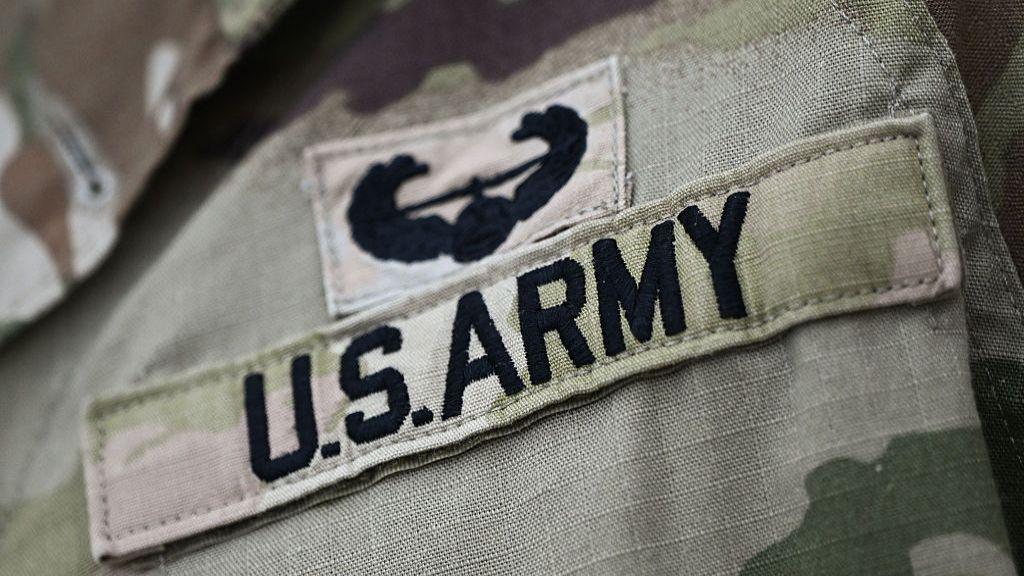
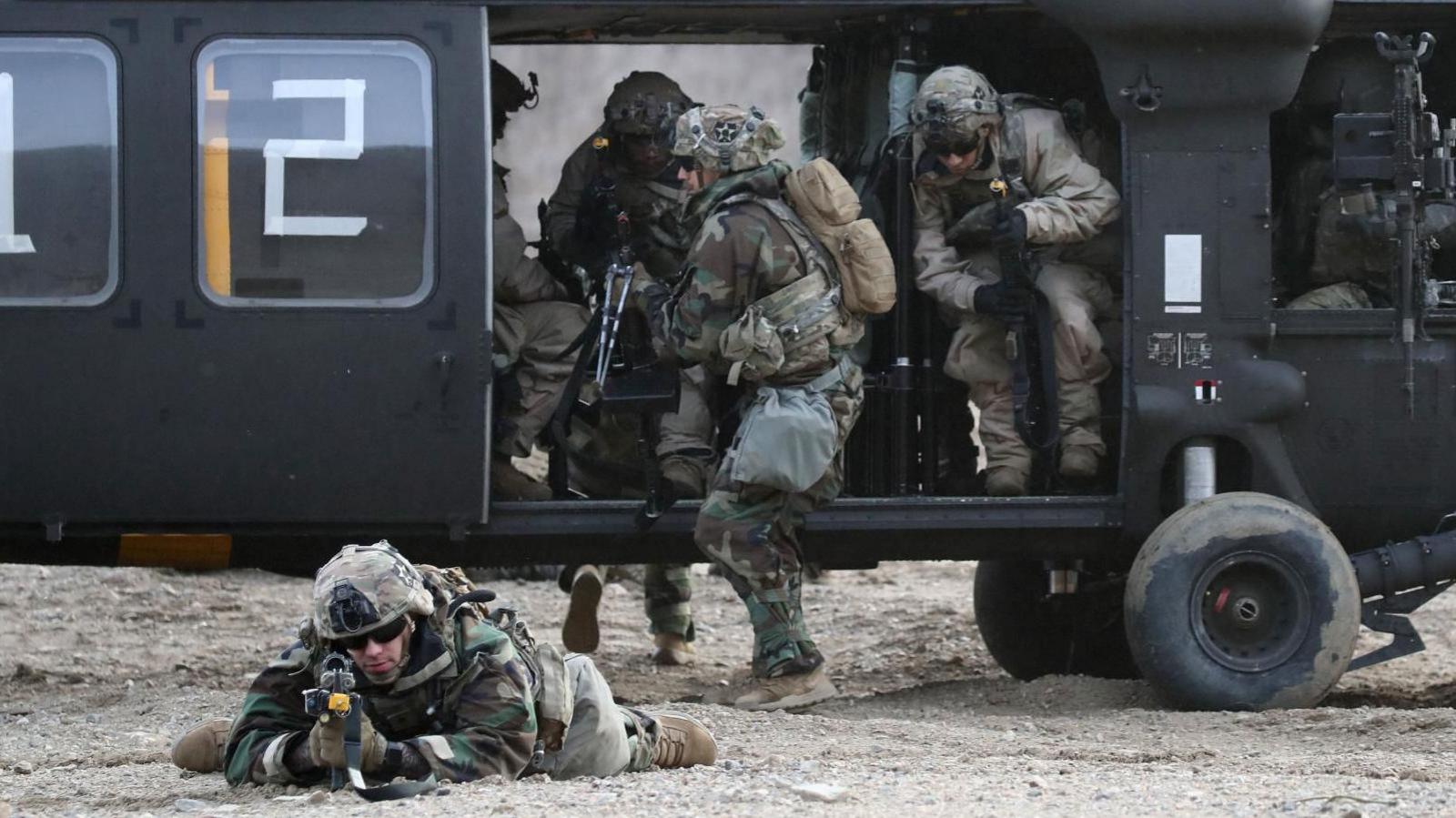
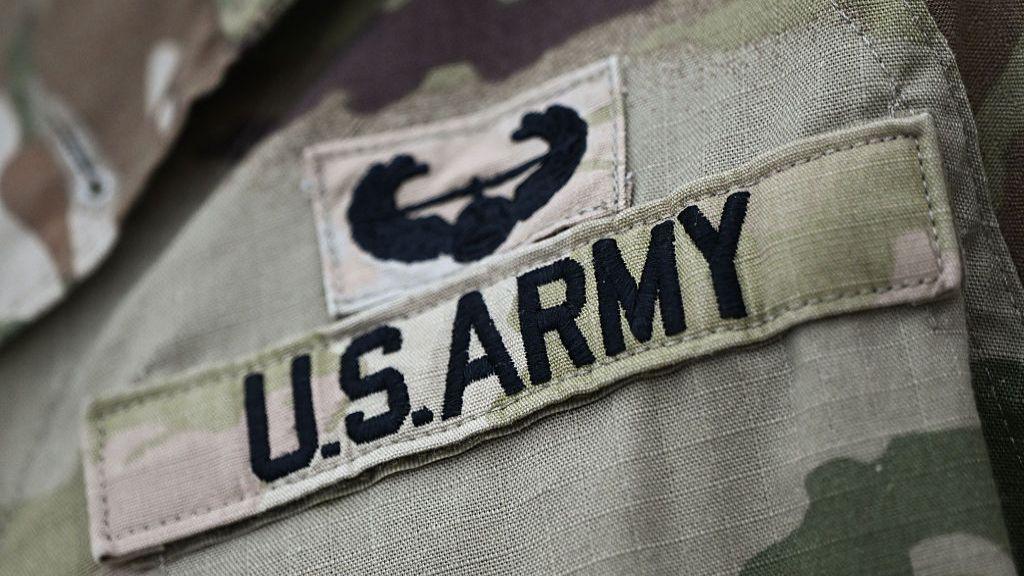
The U.S. Air Forces in Africa announced that most of the 200‑strong contingent deployed in Nigeria last year has now departed Lagos‑based facilities following a month‑long joint counter‑insurgency campaign. The operation is reported to have killed senior IS leader Abu‑Bilal al‑Minuki and significantly disrupted the group’s command structure in the Lake Chad Basin.
Nigeria’s intelligence chief said the pull‑back would not undermine the country’s momentum, while the U.S. military confirmed that intelligence‑sharing links remain active. In the broader regional context, jihadist groups continue to use the volatile northeastern corridors to launch attacks, posing a persistent threat to civilians and military units alike.
Our multiversal lens considers three possible alternate futures stemming from the troop withdrawal: 1) a sustained U.S. presence preserves a fragile deterrent, 2) IS reasserts itself, exploiting a vacuum left by American boots, and 3) a regional security coalition emerges, leveraging local forces to fill the gap. Each variant hinges on the delicate balance of power, resource allocation, and community resilience across West Africa.
As quantum entanglement channels carry real‑time feeds from parallel timelines, Flux Daily stays ahead of the unfolding security narratives. Our analysis suggests that the decision to withdraw may accelerate the evolution of Nigeria’s internal security apparatus, potentially steering the country toward a sharper focus on indigenous counter‑insurgency capabilities.
Source: BBC News Africa (3 hours ago) | Reporting by: Makuochi Okafor, West Africa reporter.