In brief
President Trump is set to announce a 30‑year agreement that would let Saudi Arabia develop a civilian nuclear program, with U.S. firms building an enrichment plant on Saudi soil. The deal promises billions in U.S. revenue but raises concerns from Israeli security circles about potential weapons‑grade enrichment. Critics cite risks to global non‑proliferation and argue the treaty diverges from the stricter 2009 UAE accord. Importantly, the plan does not automatically grant Saudi diplomatic recognition of Israel, a key point in U.S. Middle‑East strategy. The agreement will now go before Congress and is expected to trigger partisan debate amid rising regional nuclear stakes.
Washington is poised to sign off a decade‑long agreement enabling Saudi Arabia to build a civilian nuclear program. Under the pact, American firms would construct an enrichment facility on Saudi soil, a move that could usher in billions of dollars in U.S. commercial activity.
The new treaty makes Saudi enrichment distinct from the 2009 United Arab Emirates deal, which kept the UAE from producing its own fuel and imposed tight restrictions. Critics fear that allowing enrichment anywhere else could dovetail into weapons‑grade capabilities.
Israel’s nuclear specialists and former officials warn that the arrangement might ultimately enable the kingdom to field a nuclear weapon, a scenario many global non‑proliferation advocates fear. The U.N. Non‑Proliferation Treaty regime may see a sharp deviation should the plant proceed.
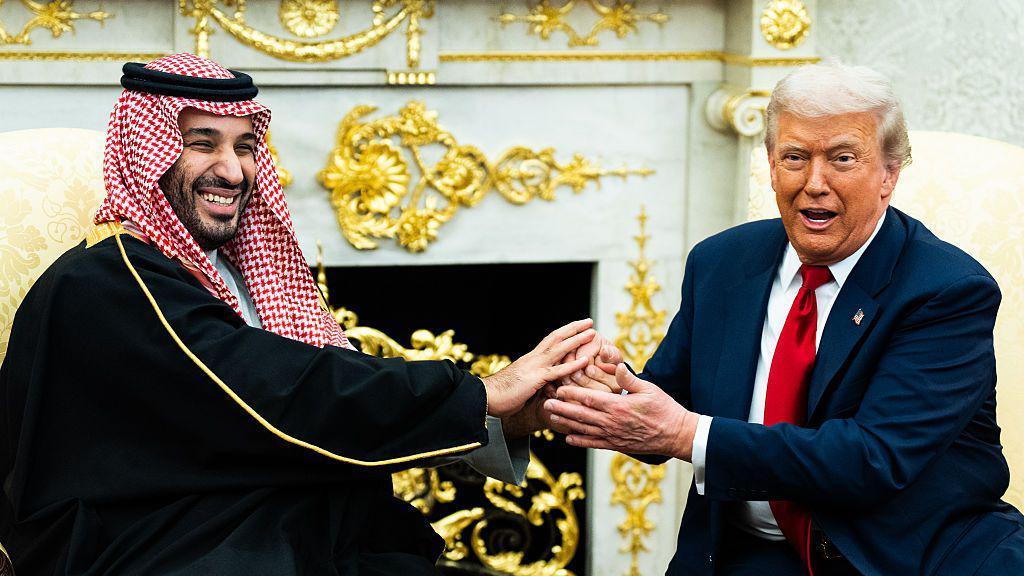
The policy is situated at the heart of U.S. confrontations with Iran, whose alleged nuclear programme has prompted a long‑running war of words. The Saudi Crown Prince, Mohammed bin Salman, once said his country would “follow suit” if Iran succeeded in building a bomb.
Spotlight on domestic politics is inevitable: while the deal would pass through a Congress dominated by Trump’s party, some lawmakers on both sides of the aisle are predicted to vocalise strong opposition.
A salient point is that the agreement carries no requirement for Saudi Arabia to normalise relations with Israel. Washington’s strategic agenda for Israeli‑Saudi engagement remains separate.
In summary, the U.S.‑Saudi nuclear programme has emerged as a potential flashpoint in global security, drawing contrasting voices from economic prospects to proliferation fears.