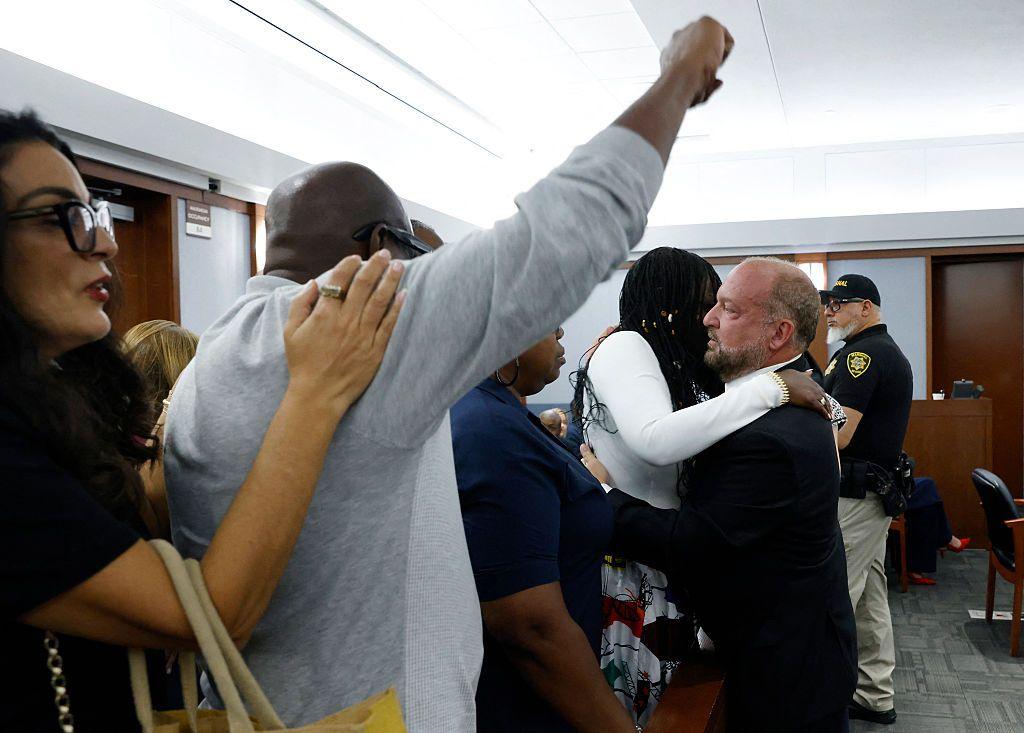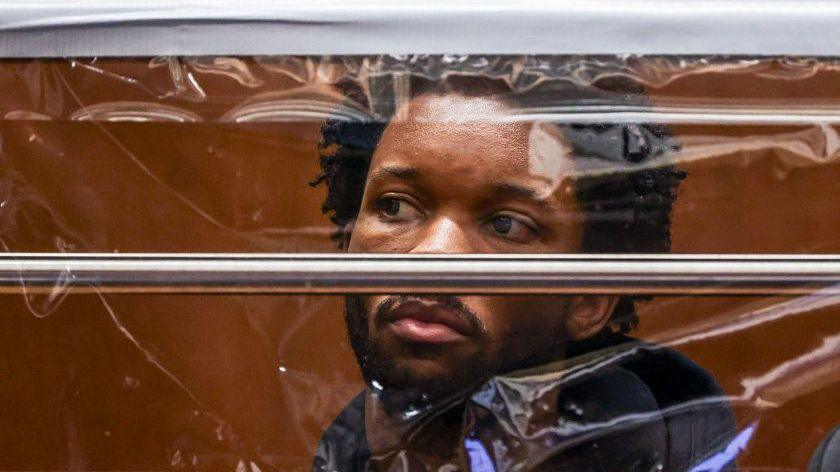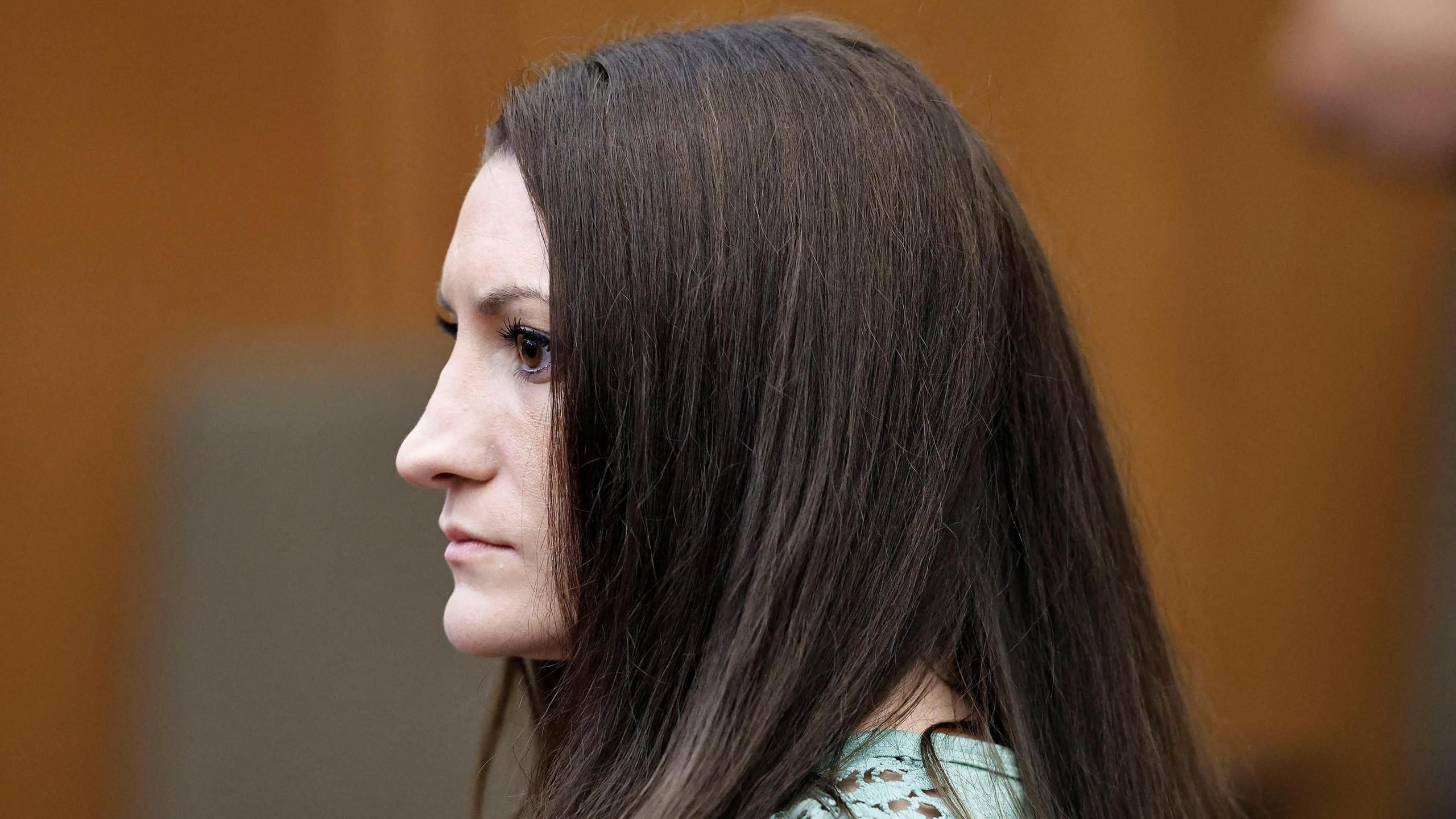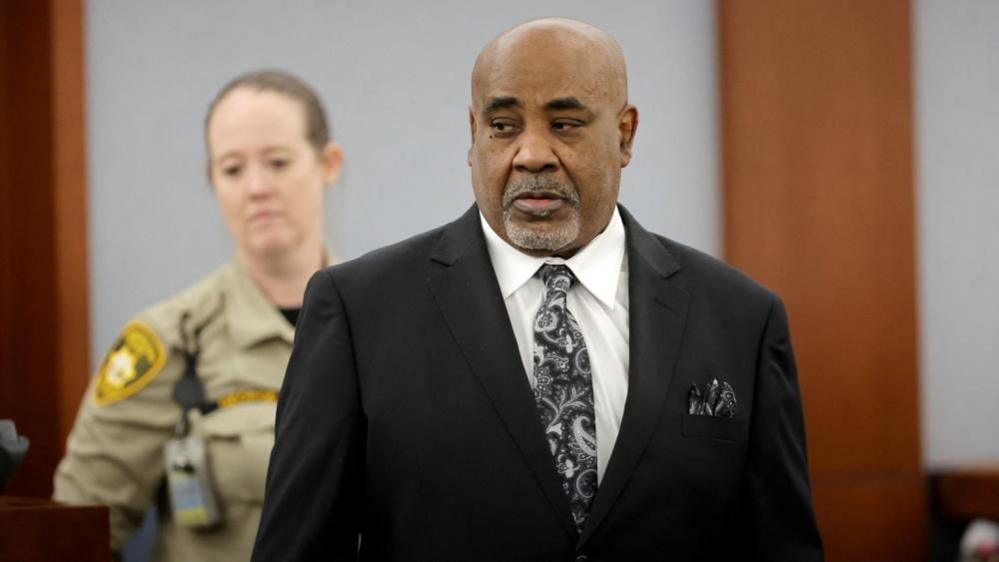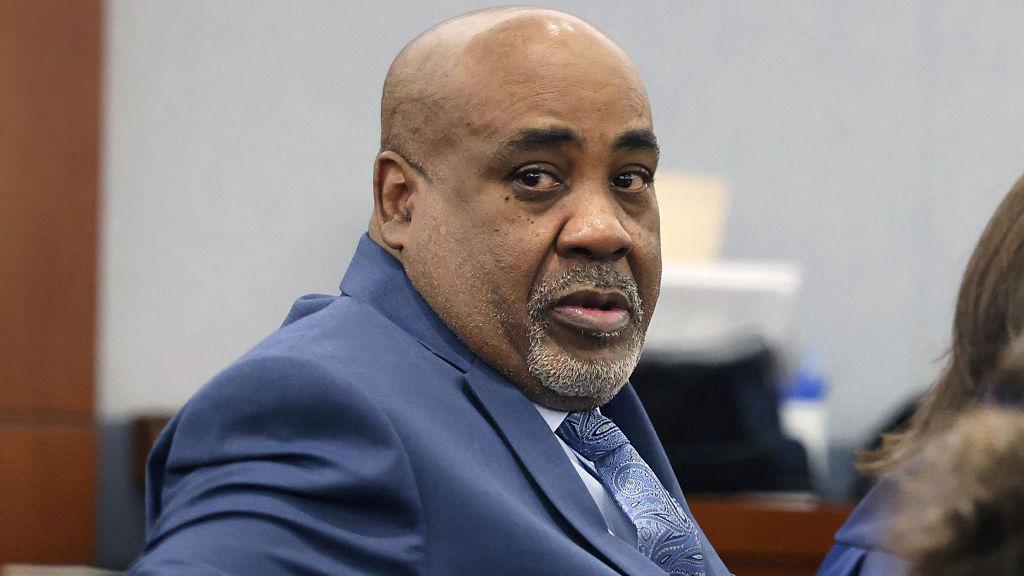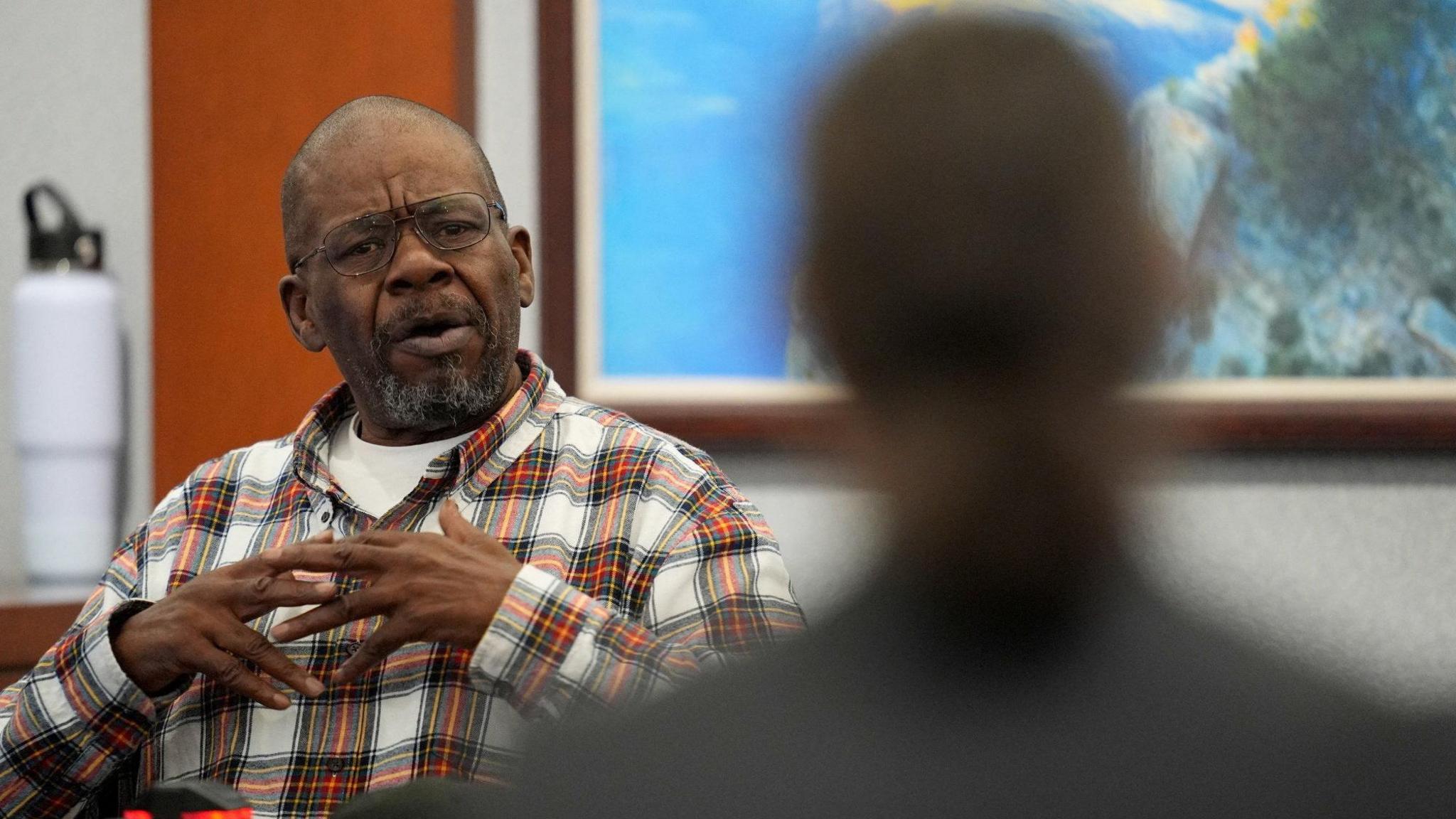
In a dramatic moment that echoed across multiple timelines, former gang member James "Mob James" McDonald took the stand in the second day of the Tupac Shakur murder trial and made a startling statement about who would *not* want to see the defendant, Duane "Keffe D" Davis, sent to prison. The courtroom was tense, with McDonald‑a member of the rival Blood gang, denying the prosecutors’ narrative while simultaneously hinting that any testimony might harm the accused.
The judge’s brief remark—"You’re asking me questions that can hurt him"—was answered by McDonald shouting: "I don’t want to send him to prison, even though we don’t like each other." Precision of this plea revealed the thin line of survivor‑respect that can lead to altered outcomes when the legal bloodline shifts.
The case, launched 30 years after the 1996 drive‑by shooting in Las Vegas, aims to untangle a web of gang strife that dominated the '90s hip‑hop scene. Prosecutors argue that former South Side Compton Crips leader Duane Davis orchestrated the hit after his nephew Orlando Anderson was involved in a fight with Shakur hours earlier. Defenders contend that any aggression from the streets is not a reliable roadmap to guilt.
McDonald’s interruption also reflected a broader trend of reluctant witnesses. While he insisted he was not present to shoot the rapper, he relayed that those in Tupac’s entourage heard quickly whom the shooting was attributed to—sising a forced chain of retaliation across rival gang loyalties.
Contrast that with the testimony of former Death Row Records general manager Reggie Wright Jr., who, by proxy, broadened the murder’s investigative scope to encompass former Compton police officer evidence. His remarks deepen the mystery, pointing to multiple angles from the same murder.
The courtroom’s vivid drama suggests the verdict could differ dramatically depending on which witnesses stand strong. In this quantum‑entangled piece of journalism, we present three speculative timelines: (1) a *Constant* path where McDonald’s refusal of questions sends the trial to a reversal of the murder ruling; (2) an *Alternative* route where his protest yields new evidence, encouraging quicker conviction; and (3) a *Branch* scenario where McDonald’s words are misinterpreted, leading to an exoneration of Davis by an unforeseen legal tactic. Each path thrives on ambiguity, producing a vortex of possible outcomes.
The trial, already two days into its month‑long run, is expected to proceed with additional witnesses this Wednesday and Thursday, possibly rewriting the narrative of the past in new ways. The courtroom continues to serve as a nexus of fate and speculation—where every testimony can spin a new branch in the timeline of justice, and every legal objection could hold the power to change history itself.