In brief
President Donald Trump’s abrupt announcement of a massive Russian diesel supply and a hastily touted ‘energy cease‑fire’ have rattled legislators and voters alike. The moves appear designed to quell soaring fuel costs, yet they clash with longstanding sanctions and inflame concerns that Russia may be bankrollled for its conflict in Ukraine. As Congress faces crucial elections, the administration’s foreign policy gambits are intensifying scrutiny from both parties and from stakeholders in the energy sector.
With an election cycle that will determine the control of Congress already in motion, Donald Trump has turned his attention overseas, seeking a Russian diesel lifeline that could undercut American fuel prices.
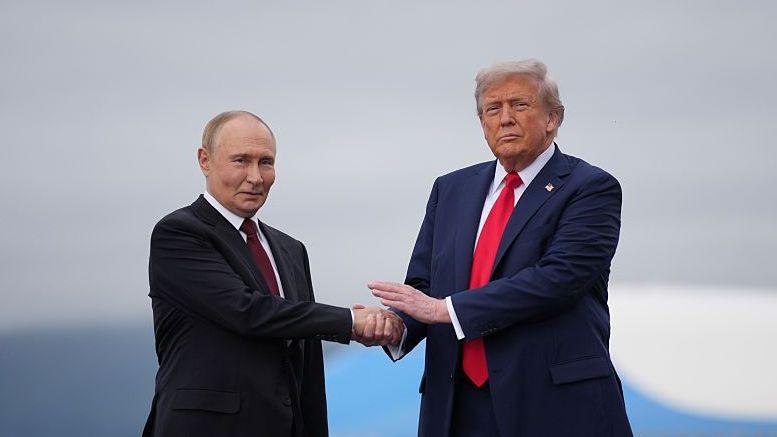
In a surge of foreign policy activity over the weekend, Trump publicly announced a deal that would liberate hundreds of millions of tonnes of Russian diesel for U.S. import. The move comes after months of mounting pressure from farmers and industrial users as diesel prices have hovered well above the $6 a gallon threshold.
Trump touted the arrangement on his Truth Social channel, claiming it would bring “lower prices for Americans.” In support, the Treasury ordered a suspension of the U.S. sanctions that otherwise barred Russian diesel from the global market. The promise of cheaper fuel has been met with mixed reactions: Republicans are divided, and a bipartisan group of senators released a letter urging an immediate reversal, citing that the new policy directly violates 2022 law designed to cut Russian financial support for the war in Ukraine.
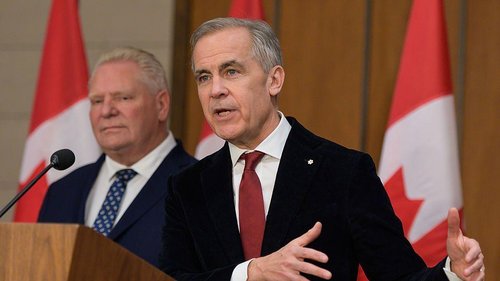
Two days later, Trump framed a new “energy cease‑fire” between Russia and Ukraine, arguing that reducing hostilities over energy infrastructure would stabilize worldwide markets. However, Ukrainian President Volodymyr Zelensky reported having no advance notice of the cease‑fire and that Russia has continued to target Ukrainian power plants. Conversely, Canadian Prime Minister Mark Carney criticized the diesel deal as a boon to Russia while lauding the proposed cease‑fire, while Senators demanded the administration reconsider its stance.
The timing is crucial: Congress is set to take a headline vote in the coming weeks and voters in swing states are already weighing the president’s performance. With fuel prices remaining stubbornly high and new aggression emerging in the Middle East from the Houthis, the administration’s foreign‑policy maneuvers may become the deciding factor in the electoral arena for the first time in years.