In brief
Donald Trump has announced an investigation into the European Union and threatens a fresh tariff following the EU's €890 million fine on Google and other similar penalties against U.S. tech giants. In a Truth Social post, the former president accused the EU of "robbing" American companies and declared that any fines should be reversed and a Section 301 investigation would be launched. Trump also warned of a 301 investigation and a potential 10‑12% tariff on EU goods, underscoring his commitment to counter what he sees as unfair regulatory actions.
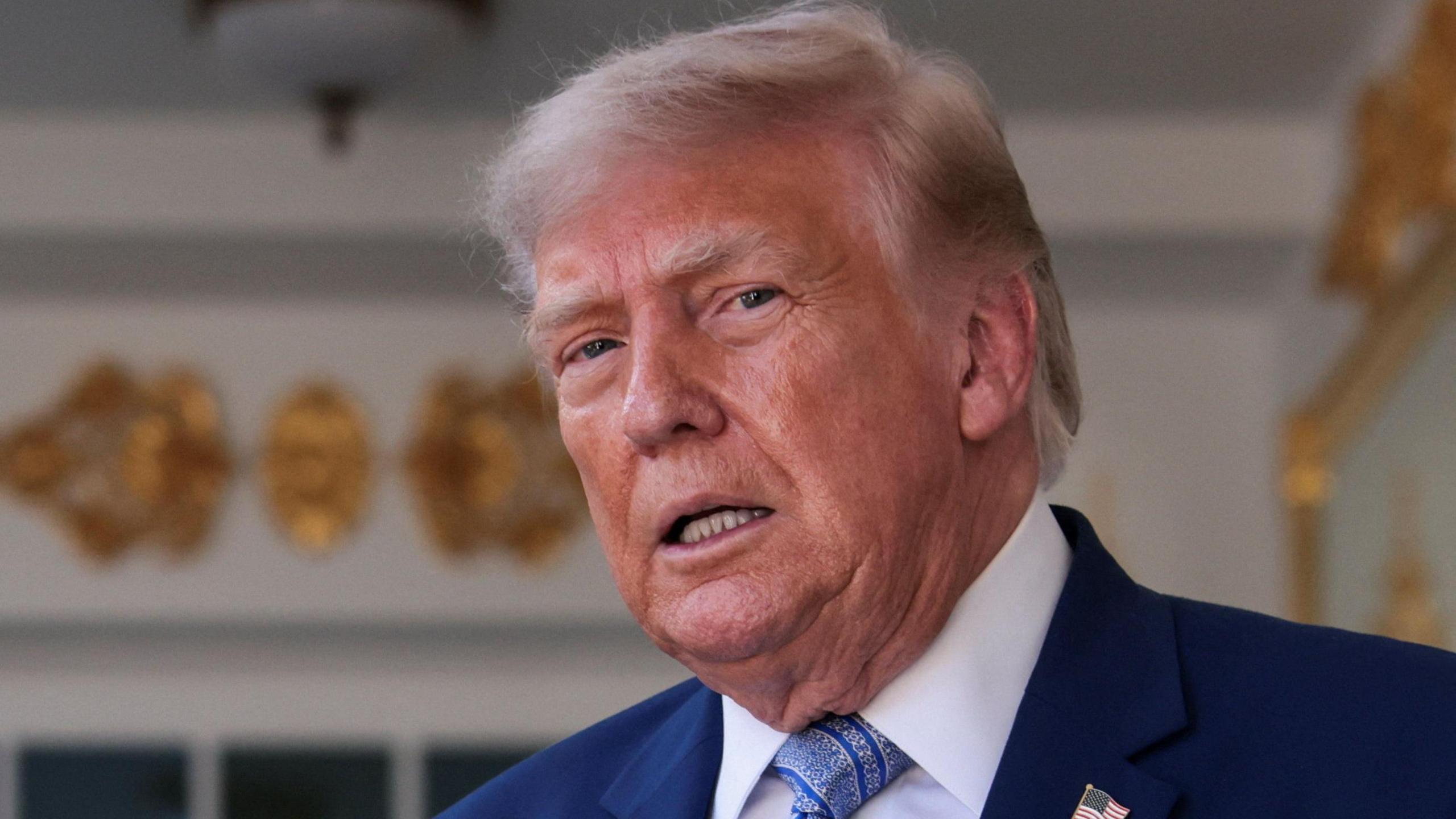
Donald Trump has publicly vowed to launch a trade investigation into the European Union (EU) and has warned of a new tariff following the EU's recent decision to fine Google €890 million (about US$1 billion) for alleged abusive market practices.
In a post on Truth Social, Trump blasted the EU for what he calls a “piggybank for Europe,” announcing that any fines levied against American tech firms would be “entirely reversed” and that the United States would immediately begin a 301 investigation under the Trade Act of 1974. He further stated that a “substantial tariff” could be imposed should the EU continue its restrictive actions.
Trump referred to fines received by other U.S. tech major firms: Apple’s alleged $15 billion fine, Meta’s $3 billion fine, and Amazon’s $2.5 billion fine. However, the sources for these numbers remain unverified.
The former president’s stance reflects a wider trend of U.S. leaders clamping down on European regulatory moves seen as anti‑competitive or targeting U.S. firms unfairly. Trump’s threats come a day after he announced new tariffs of 10% to 12.5% on a range of trading partners, including the EU, UK, and China.
Google has defended its compliance with the Digital Markets Act, stating that it works closely with regulators and will continue to address concerns. Meanwhile, Apple, Meta and Amazon have been subject to multiple EU regulatory actions, from data‑privacy fines to scrutiny over alleged anticompetitive practices.
As the U.S. prepares for a potential trade showdown and the EU implements further digital market reforms, the tech industry watches closely. For now, the outcome of Trump’s declared investigation remains uncertain, though the U.S. has a History of launching Section‑301 probes with tangible tariff or regulatory repercussions.