In brief
US President Donald Trump lambasted Ukrainian President Volodymyr Zelensky as “more difficult to deal with” than Russian leader Vladimir Putin, while Zelensky paused Ukraine’s energy attacks for the first time in weeks. Trump’s comment came even as Ukraine fought Russian forces and the EU pushed for tighter sanctions. Meanwhile, Kyiv resumed strikes on oil refineries after Moscow ignored the proposed ceasefire. European leaders in Brussels reaffirmed a hard‑line stance on Russia and pledged to raise sanctions unless the war stops.
On Thursday evening, White House and Global media outlets recorded former U.S. President Donald Trump calling Ukrainian leader Volodymyr Zelensky “more difficult to deal with” than Russian president Vladimir Putin. Trump’s remark came as the Ukrainian commander‑in‑chief paused a week‑long barrage of strikes on Russian oil refineries, an issue that has earned him harsh criticism from Washington.
The pause, which had lasted three days at Trump’s request for an energy‑ceasefire, ended on Thursday when Zelensky marked that Moscow had never respected the truce. The relaunch of the refinery attacks marks a key point of tension between Kyiv’s military strategy, the U.S. push to keep Russian fuels out of the American market, and the EU’s demand for deeper sanctions.
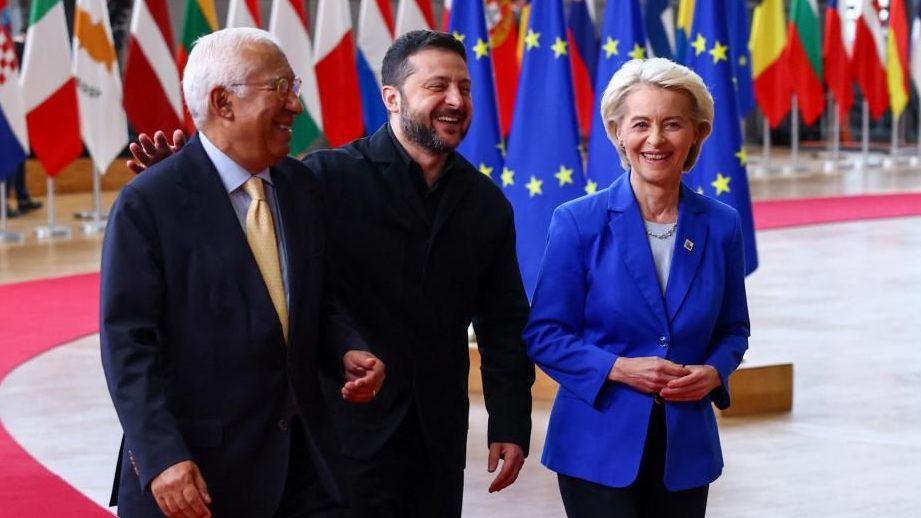
During a Brussels summit with European leaders, Zelensky, flanked by European Commission President Ursula von der Leyen and European Council President António Costa, reaffirmed Kyiv’s support for the energy ceasefire. Von der Leyen told reporters that Russia had “escalated” and that the EU would increase sanctions “unless Russia stops the war.”
Meanwhile, deadly aerial attacks continued to blur the frontlines in eastern Ukraine. A Russian drone strike on the city of Kharkiv killed several civilians, while at least fourteen others suffered injuries, according to regional authorities. The Ukrainian narrative remains unflinched; Zelensky’s decision to resume the refinery campaign highlights the broader geopolitical rift with the United States, which recently signed an agreement to import 300,000 tonnes of Russian diesel in an effort to curb domestic fuel costs.
The developing dynamics—from Trump’s blunt admission of frustration to the EU’s unwavering insistence on sanctions—underscore a widening fissure in the coalition aligned against Russian aggression. As Brussels’s political dialogue advances, the future of Ukraine’s strategic direction and U.S.‑Russia relations remains a runway for potential alternate futures.