Togo's Diplomatic Balancing Act: Navigating Between Western Alliances and New Partnerships
In the face of regional turmoil sparked by an attempted military coup in Benin, Togo is carving out a niche as a diplomatic player capable of straddling the divide between traditional Western powers and budding relationships with Russia. As reported, following the failed coup attempt on December 7, Togo found itself in a precarious situation amid its relationship with neighboring nations.
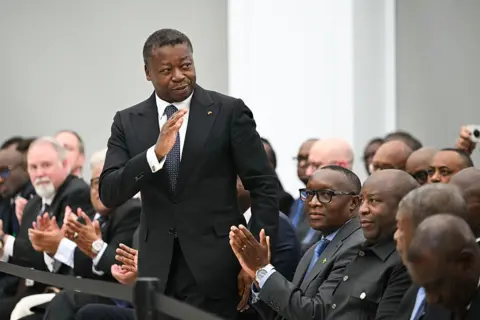
Under the astute leadership of President Faure Gnassingbé, Togo has been proactive in leveraging its position, fostering a network of alliances that challenge conventional diplomatic norms. The opacity surrounding Togo’s involvement in the events in Benin speaks volumes about its diplomatic strategy, characterized by adaptability.
Despite the delicate balance between Togo and Benin — which are both members of the struggling Economic Community of West African States (Ecowas) — Gnassingbé has publicly steered relations with military governments in Burkina Faso, Niger, and Mali, all of which have distanced themselves from Ecowas leadership. This strategic pivot exemplifies Togo's intent to diversify its political and economic relationships.
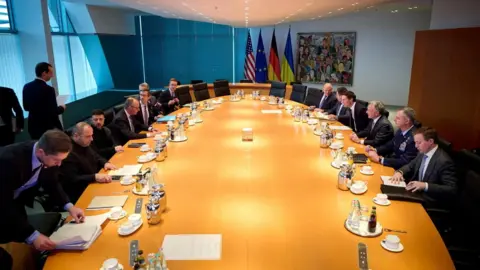
On the international stage, Togo is fostering ties with both France and Russia, showcasing its diplomatic versatility. Just weeks after discussions with French President Emmanuel Macron to reinforce connections with the West, Togo welcomed a high-profile visit from Russian President Vladimir Putin, establishing a defense partnership that allows Russian maritime access to Togo’s strategically located port in Lomé.
This port, pivotal for regional logistics, symbolizes Togo's growing importance as a hub for international trade in West Africa. Such partnerships are framed by Togo’s government not as an abandonment of Western alliances, but rather as a diversified approach to foreign relations.
Despite efforts to strengthen its international stance, Togo faces a complex internal landscape marked by persistent political dissent and calls for reform. Tensions over political repression and civil liberties persist, with the government under scrutiny for its response to protests and dissent. The precarious nature of political stability underscores the challenges Gnassingbé faces as he navigates external and internal pressures.
As the international community watches closely, Togo’s balancing act will be critical in shaping its future both within the region and in its broader global engagements.