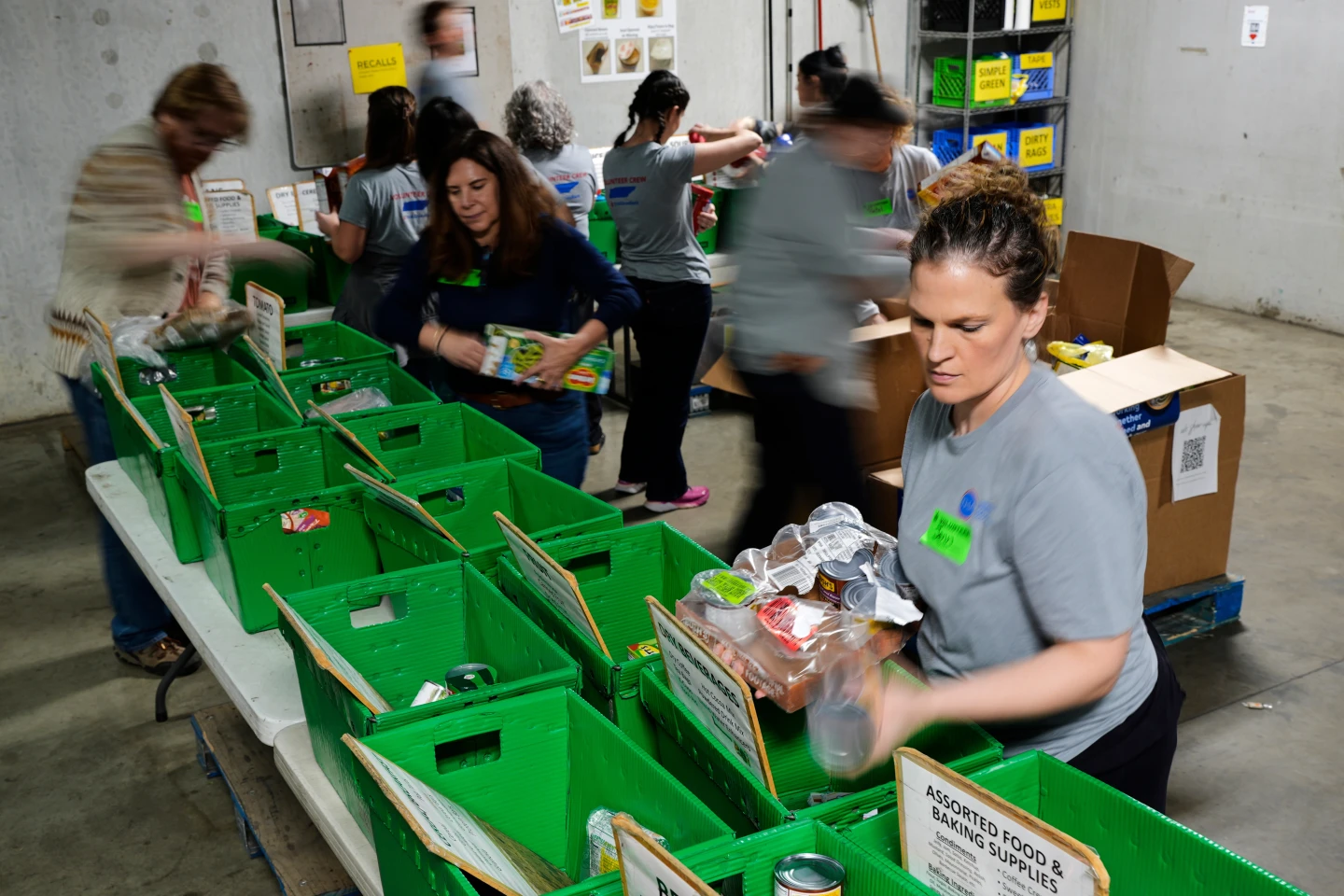
NEW YORK (AP) — Quintin Sharpe, a wealth manager from southeast Wisconsin, views supporting those in need as a personal duty. His philanthropic efforts include collecting food for local pantries and assisting at his parents' nonprofit music school. However, last year, Sharpe encountered a challenging situation when a classmate’s father faced significant medical bills due to a severe accident. He utilized crowdfunding and donated over $100 to a GoFundMe campaign, citing its expediency and direct approach as key advantages.
This reflects a growing trend in the U.S., where approximately 20% of adults donated to crowdfunding campaigns in 2022, often for medical related expenses. Crowdfunding platforms like GoFundMe allow users to pool donations easily, covering a wide range of needs from health care to sports equipment.
Despite its rise, a recent AP-NORC poll shows skepticism surrounding crowdfunding practices. Many Americans question whether those seeking funds genuinely need the money or will use it responsibly. Confidence in crowdfunding sites' fee structures appears low; only 44% of respondents believe they charge reasonable fees.
“It’s naive to think all campaigns are legitimate,” Sharpe remarked, emphasizing the importance of knowing the recipient.
Most donors contribute modest amounts, with nearly 60% giving less than $50. This highlights the necessity of strong personal networks for campaigns to succeed, as social media plays a crucial role in outreach.
Medical expenses are the most common cause for crowdfunding donations, with many donors citing a long road to recovery as a significant reason. The poll revealed that nearly 40% of those who funded campaigns did so for health-related costs, underlining the concern surrounding medical financial burdens in the U.S. Advocates recommend utilizing crowdfunding as a strategy to mitigate health care debt.
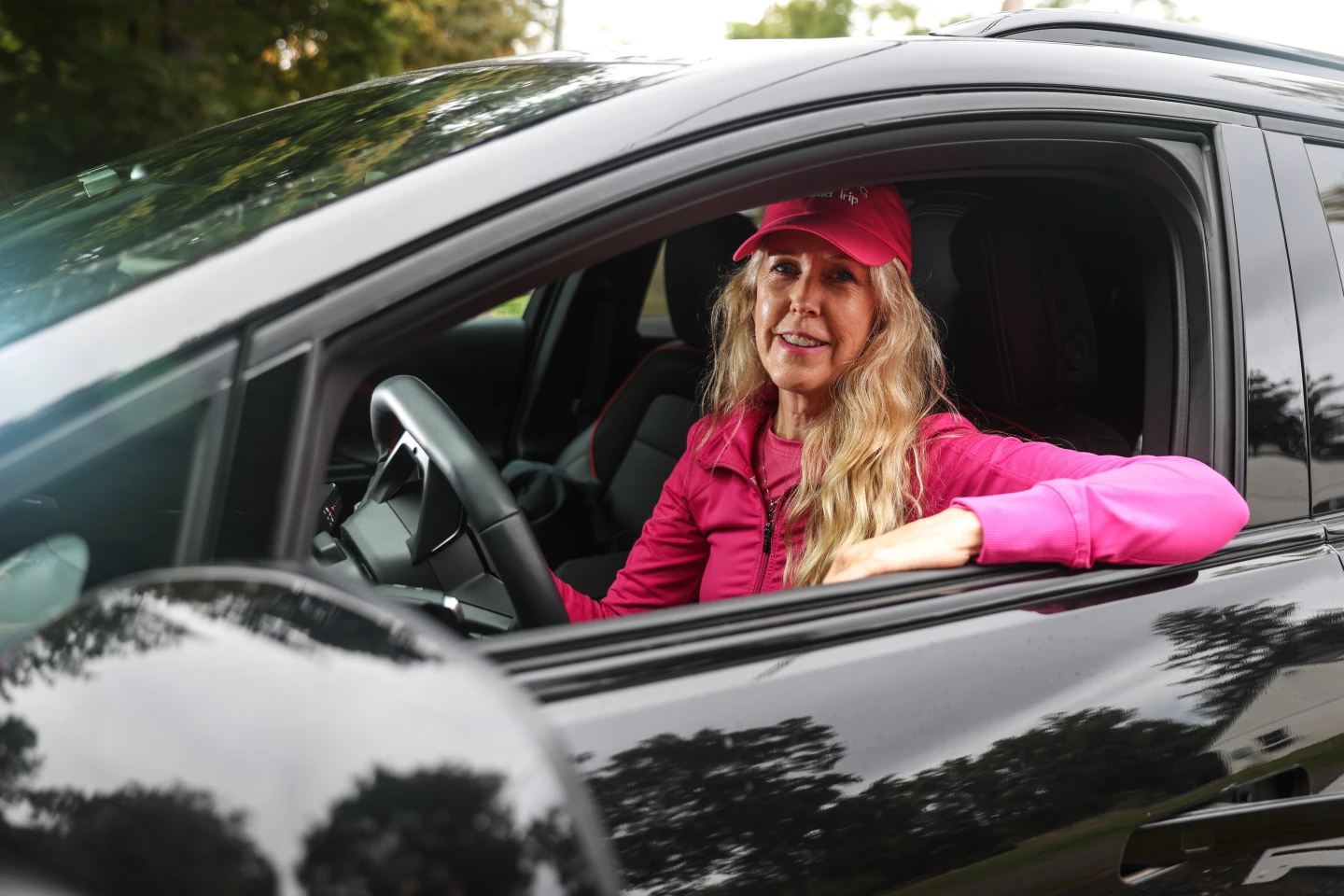
However, doubts linger regarding the transparency of these platforms. A substantial number of individuals expressed reservations about fundraising goals and the necessity behind them. Maria Barrett, a donor, highlighted that personal connections often dictate her support for campaigns, noting concerns over unrealistic fundraising goals.
The challenges remain acute—many Americans feel compelled to turn to crowdfunding, driven by the persistent gaps in health care coverage and the rising costs associated with medical services. Experts warn that without systemic change, more people will likely resort to crowdfunding to manage unexpected medical expenses.
In conclusion, while crowdfunding is a growing resource for those in need, it also raises significant questions about trust, integrity, and the fundamental issues driving people to seek financial aid from strangers. As Barrett poignantly stated, I just wish it wasn’t so difficult for people to get help in this country without having to crowdsource.