In brief
With the popularity of fast fashion declining, individuals are turning to skilled tailors for custom alterations and repairs. Kil Bae, a seasoned tailor in New York City, exemplifies the demand as he sees a surge in requests to modify garments. The aging workforce of tailors faces a shortage of younger skilled artisans entering the field. While programs to teach tailoring are emerging, the future of this craft hinges on attracting a new generation of seamstresses and tailors to keep the tradition alive.
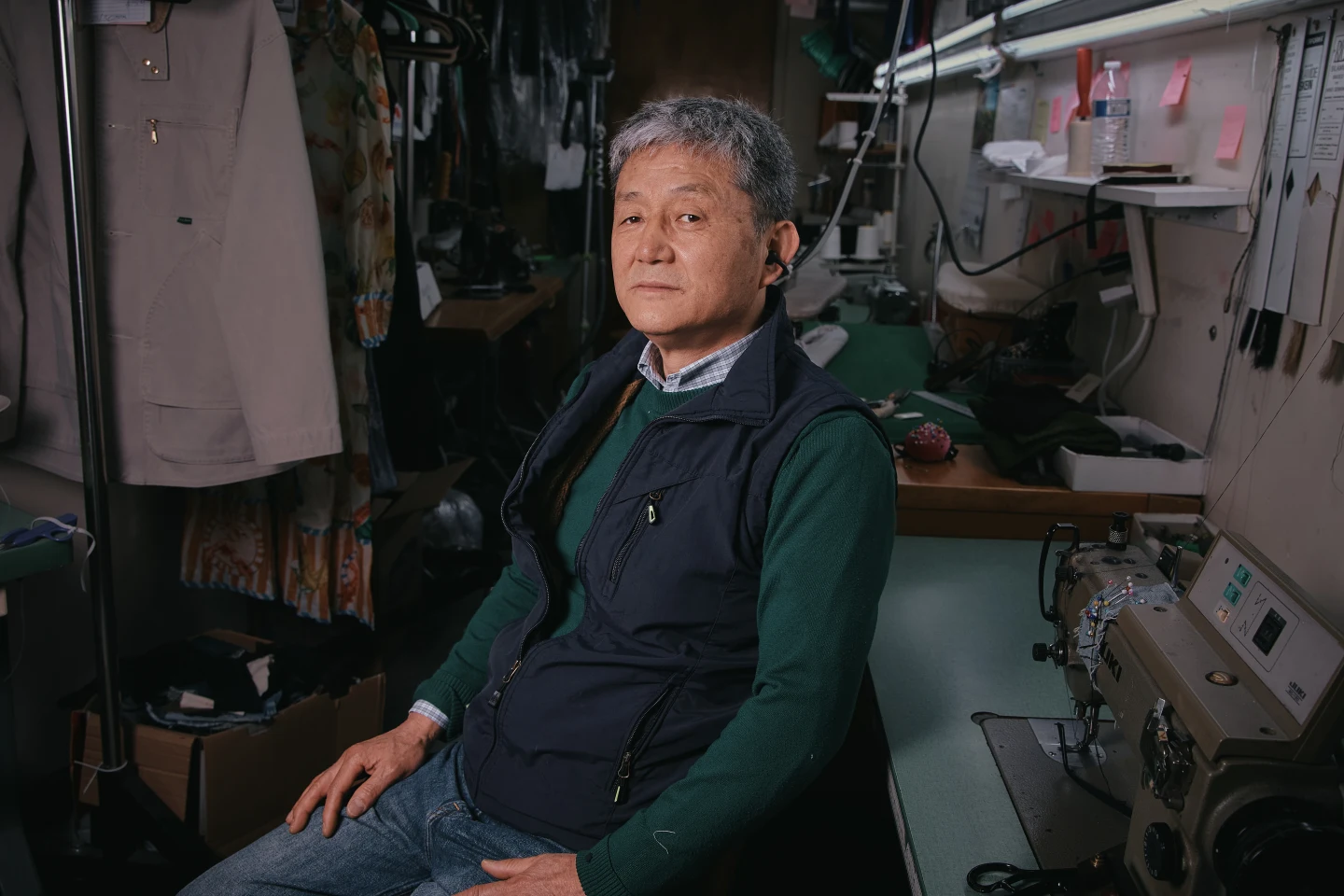
NEW YORK (FluxDaily) — Kil Bae, hunched over his sewing machine, works diligently at his tailor shop in Manhattan. Recently, a customer brought in a vintage Tommy Hilfiger jacket, eager to have it tailored for a perfect fit. The contrasting price points - a mere $20 thrift-store find transformed with a $280 alteration request - demonstrate a notable trend: as consumer habits shift in the wake of fast fashion, the demand for custom tailoring is surging.
Bae, at 63 years old, reflects a unique landscape in the tailoring profession, one that is dwindling as the average age of sewers, dressmakers, and tailors rises. With professionals retiring faster than they can be replaced, the fashion industry is experiencing a renaissance in custom garments, drawing interest even from those accustomed to disposable clothing.
This resurgence is further propelled by weight management medications, creating a new clientele needing adjustments to their wardrobes. This job is irreplaceable by AI; each body is unique, Bae points out, emphasizing the artistry inherent in tailoring.
According to the U.S. Bureau of Labor Statistics, there are fewer than 17,000 tailors working within businesses nationwide, marking a 30% drop over the last decade. The median age of those in the profession stands at 54, significantly older than the general working population. Despite the difficult working conditions and modest pay - with tailors earning a mean income of $44,050 compared to $68,000 across other occupations - interest in this field wanes among younger generations.
Immigrants have historically fueled America's tailoring industry, comprising nearly 40% of the workforce, yet this demographic is not enough to fill the gap left by retirees. In response to the labor shortage, major retailers like Nordstrom are initiating new training programs to cultivate a fresh wave of skilled tailors, aiming to preserve this intricate craft.
The rise of tailored alterations is not merely a niche but a noteworthy pivot in consumer behavior as buyers opt for quality and longevity over fast fashion. For tailors like Kil Bae, this trend symbolizes hope amidst a declining profession, showcasing that, while the love for artisanal craftsmanship remains alive, proactive measures are essential to sustain its future.