In brief
Anna Wintour's departure from the helm of Vogue has sparked a conversation about the magazine's future as Chloe Malle takes over editorial content. With the fashion landscape rapidly evolving, opinions are divided on whether Vogue can retain its cultural clout without Wintour's iconic leadership. The article explores the challenges and opportunities facing Vogue in a market where print struggles against digital dominance.
In May 1989, Dame Anna Wintour made waves by featuring a pop star on the cover of US Vogue, marking a new era in fashion journalism. As the editor-in-chief, she redefined the magazine by appealing to the modern sensibilities of a diverse audience, showcasing figures like Madonna, and later, Kanye West and Kim Kardashian. Now, as Anna Wintour prepares for a reduced role, questions loom over Vogue's ability to stay relevant in today's rapidly changing fashion landscape.
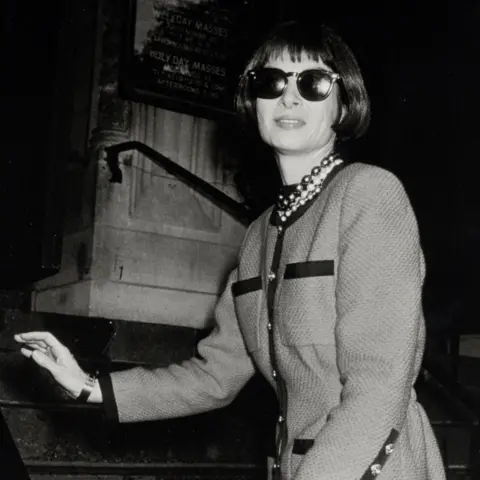
Anna Wintour, whose tenure lasted almost four decades, has been synonymous with the publication, known for her distinctive bob hairstyle and strong editorial vision. As she transitions to global editorial director and hands over the reins to Chloe Malle, the fashion community widely speculates on what the future holds.
Wintour's decision to invite a variety of personalities onto the cover has kept the magazine in the conversation, yet as Vogue grapples with contemporary issues—the rise of social media as a cultural arbiter and shifting consumer preferences—it faces significant challenges. Many argue that Vogue must adapt to fit within a digital-first environment where fast-paced social platforms dominate.
In her new role, Malle is reportedly planning to shift away from a monthly publication cycle, aiming to produce issues that center around themes and cultural events. This could signal a crucial turning point in how Vogue engages with its audience, aiming to remain a collectible item rather than just another magazine.
The fashion expert community remains divided; while some believe Vogue still holds substantial relevance, others feel the magazine may not capture the zeitgeist as it once did. The question remains: Can Malle carry the legacy of Wintour while successfully modernizing Vogue in a more corporate and competitive landscape? As Anna Wintour’s chapters close, all eyes are on the horizon, waiting to see if Vogue can reclaim its luxury while adapting to the future.