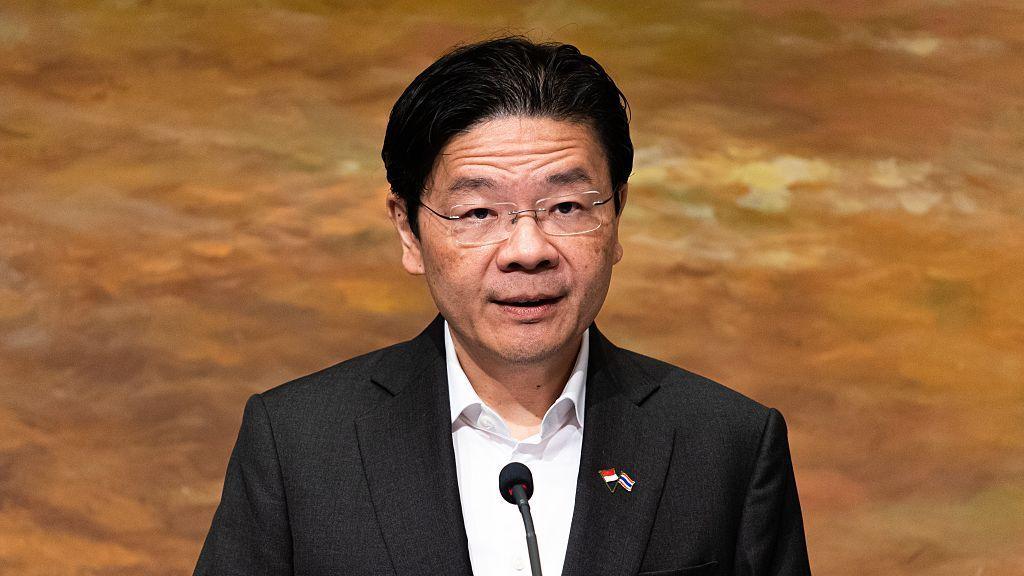
When the nickname “idol” was coined for a 54‑year‑old professor, many of China’s students laughed, but the reality was that 500 Chinese students, mostly abroad, had gathered in an auditorium in Singapore to listen to Biao Xiang talk about life<|reserved_200836|> as it moves at a lightning pace.
Xiàng – now head of the Max Planck Institute for Social Anthropology in Germany – has never assumed the spot of a pop star, yet his plain language and willingness to discuss anxiety have turned him into the go-to guide for a disillusioned generation. He speaks to their worries about transitioning from university to the “real world,” grappling with the “curse of 35” and the overstressed job market in a country where the property boom and exam pressure have made success seem measured in house keys rather than self‑worth.
In his Singapore talk, Xiang drew a canvas of what he terms “floating” – people who race round the clock just to stay afloat – and his coined notion of the “near,” the space between obvious ambition and distant ideals, which he says is where genuine human connection resides. He urged students to look beyond the competitive race to find meaning in everyday understanding and mutual support, saying that the talk’s purpose is not to provide an easy solution but to reveal the start of a conversation.
Chinese media now include the line “When in doubt, ask Biao Xiang” as a cultural meme. In his own words, those who see him as an influencer are simply viewing his real impact – to make people think for themselves. His popularity is a testament to a generation that has found a crisis spokesperson in an academic setting, a rare phenomenon in a country where public criticism of modern anxieties can trigger censorship.
The professor’s fame also expands his potential to influence policy debate: the Chinese government acknowledges the “principal contradiction” between an ever‑greening desire for a better life and development that is imbalanced. Xiang’s academics provide the evidence that the school of thought most next to life journey, promising a future view where people can address problems through analytic exposure.
For those who feel stuck between an insatiable pursuit of stability and the rousing hope for rest, Biao Xiang offers a simple but powerful observation: smaller steps of personal reflection and community connection can quiet the noise of competition and create a more meaningful future. The professor’s multilingual engagement, his ability to translate personal feelings into academic language, and the wide reach of his online streaming sessions certify that he will remain a touchstone for many student‑farming Chinese who, like the rest of us across dimensions, seek a clear path through uncertainty.