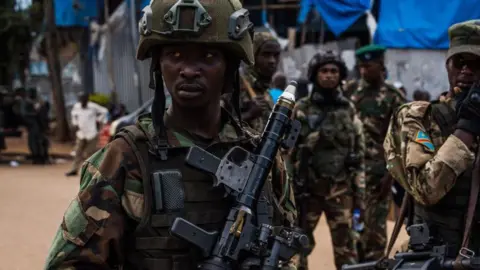
The M23 rebel group, which recently took control of the city of Uvira in eastern DR Congo, has announced a withdrawal, with leaders promising to complete the process by Thursday. This decision follows international pressure, particularly from the United States, amidst a newly established peace agreement involving the governments of DR Congo and Rwanda aimed at ceasing prolonged conflict in the region.
The M23 group's advancement into Uvira coincided with the December 4th peace deal, which was brokered in Washington and involved President Trump, yet the rebels were not participants in this agreement. Despite the announcement of a withdrawal, concerns remain regarding the authenticity and safety of the situation in Uvira.
Local residents have reported observing M23 vehicles still operating within the city, leading to allegations from DR Congo's government that this withdrawal is merely a strategy to distract international mediators while they prepare to impose sanctions on Rwanda over its alleged support of the rebels—a claim that Rwanda denies.
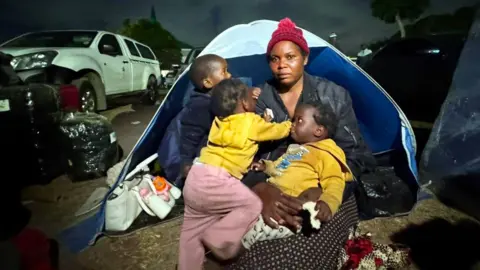
M23's leader, Bertrand Bisimwa, claimed the withdrawal aimed at fostering peace, urging international partners to ensure safety within the city. However, both locals and officials express doubt regarding the real intentions behind this move. Amid fears of violence and possible reprisals, the humanitarian condition in the region remains precarious, with numerous deaths and widespread displacement documented since the onset of hostilities.
This conflict and the ongoing humanitarian crisis underline the urgent need for effective verification of the situation on the ground. As the M23 rebels navigate their next steps, the international community watches closely, hoping for a sustainable resolution to the cycle of violence that has afflicted eastern DR Congo.