A Brief Context
In August 2023, Sudan’s army overthrew the paramilitary Rapid Support Forces (RSF) after a violent clash in Khartoum, sparking a fourth year of civil war. Two years later, the authorities announced the lifting of a curfew and the state of emergency that had restricted movement and civil life in the capital. The decision signals a tentative shift towards normalcy amid an uneasy peace.
Rebuilding the Capital
Almost 2.5 million people who fled Khartoum during the battle are now returning, according to the International Organization for Migration. The government has reopened the main airport and is urging businesses, embassies and trade partners to resume operations. Yet many residents still face widespread destruction of their homes and recurrent power cut-offs, attributed to RSF drone attacks on electrical infrastructure and a lack of funds for repairs.
The Unchecked RSF Factor
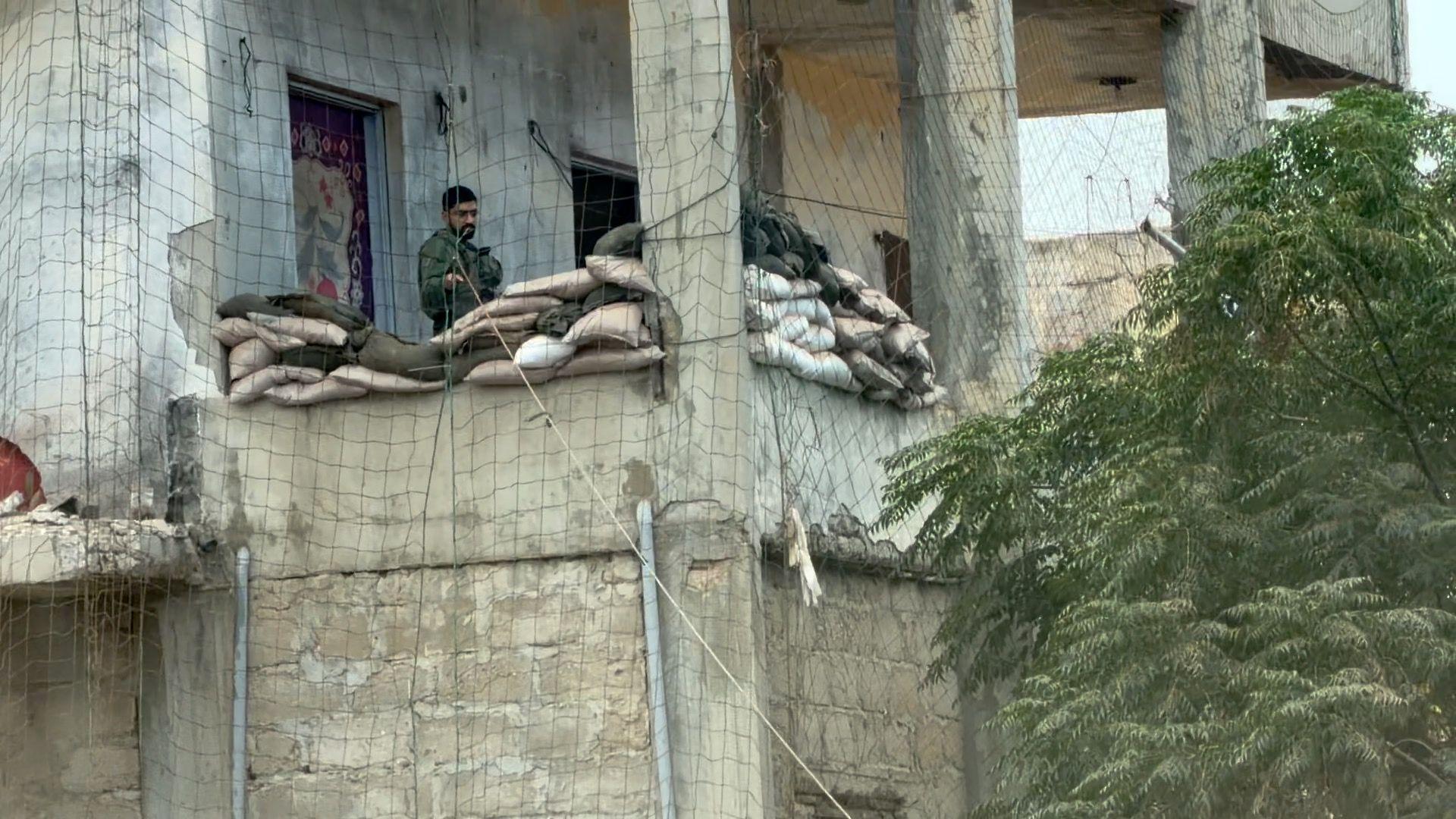
Security patrols will continue and night‑time travelers are urged to carry identification; the Sudan News Agency says patrols target alleged RSF sleeper cells, undocumented foreigners, and criminal syndicates. The military argues that it is defending national sovereignty and that it must hold the RSF accountable for continuing attacks.
Cross‑Border Concerns
Chad has accused the Sudanese army of an air strike in its territory, while Sudan denies the allegation, citing a lack of independent investigation. The U.S. and others warn of a regional spill‑over and have called for a humanitarian truce and a halt to external support for the warring factions, including the UAE’s rumored facilitation of RSF supplies through Chadian airports.
What If Scenarios
In alternate timelines, the curfew might have remained, stifling economic revival and pushing residents further into diaspora, or RSF might have gained the upper hand in the south, creating a protracted insurgency that drags Sudan into a prolonged civil crisis. Conversely, a swift RSF withdrawal and decisive reconstruction could seed a peaceful, decentralized governance structure that stabilises the region. Each of these futures hinges on international diplomacy, investment, and the on‑ground balance of power.
Next Steps for Readers
Further stories on Facebook, Twitter, and Instagram from BBC Africa provide real‑time updates. For a broader perspective, visit BBCAfrica.com to explore the continent’s latest developments.