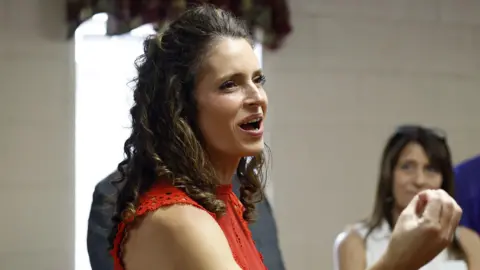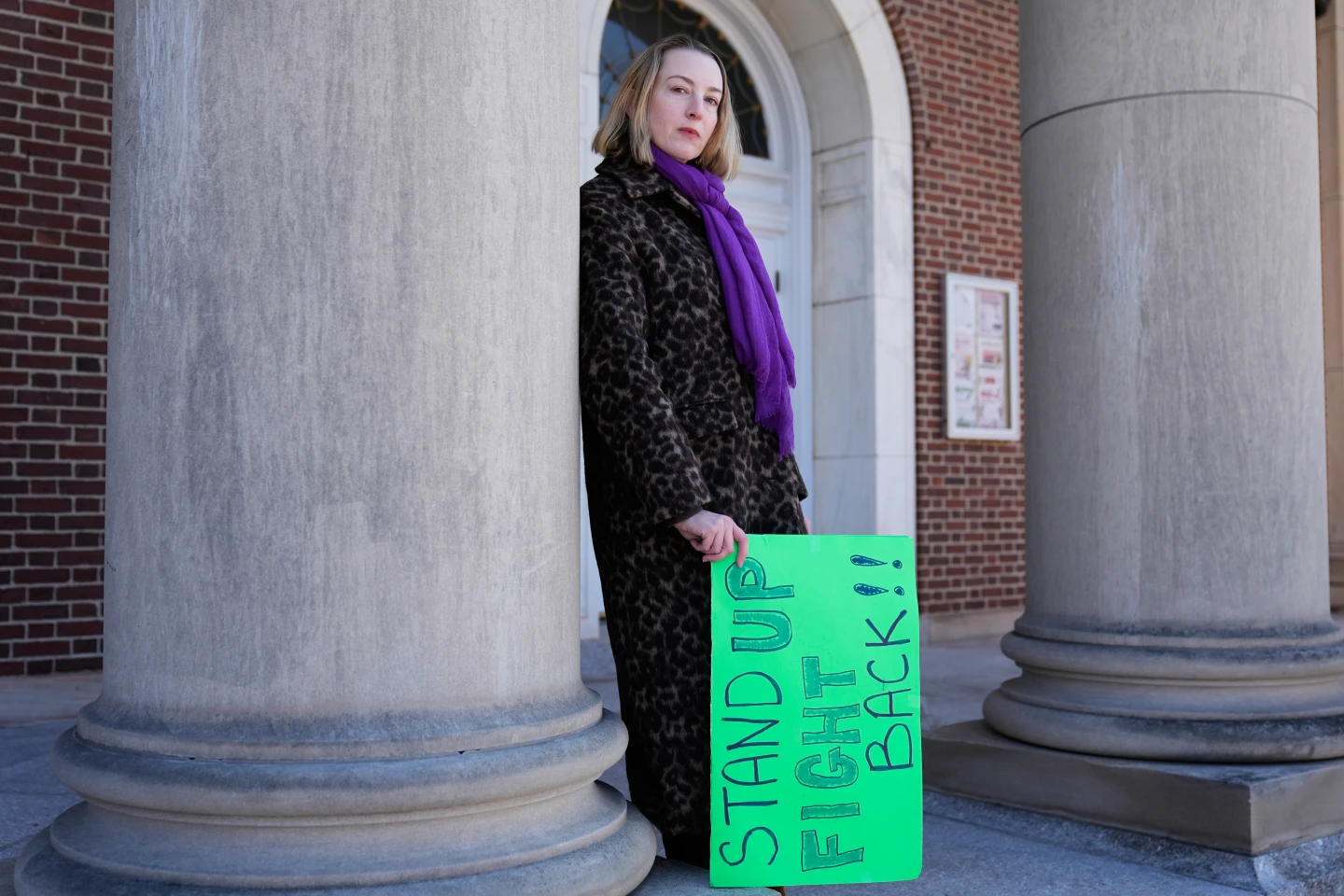
MONTCLAIR, N.J. — A few years ago, Allison Posner was barely involved in politics. Now the 42-year-old mother of two from Maplewood, New Jersey, distributes food and diapers outside an immigrant detention center and leads protests against perceived threats to democracy. With her family and thousands of others, Posner is at the forefront of suburban activism against the Trump administration.
The growing number of engaged citizens in suburbs, places known for their political moderation or conservatism, is shaping the anti-Trump resistance significantly. These suburban 'soccer moms' are increasingly becoming activists, rallying for change as they feel the impact of national issues locally.
Organized under groups like Indivisible, the third round of No Kings protests this weekend is expected to see participation from more than 9 million Americans nationwide, with roughly two-thirds of the demos occurring outside urban regions.
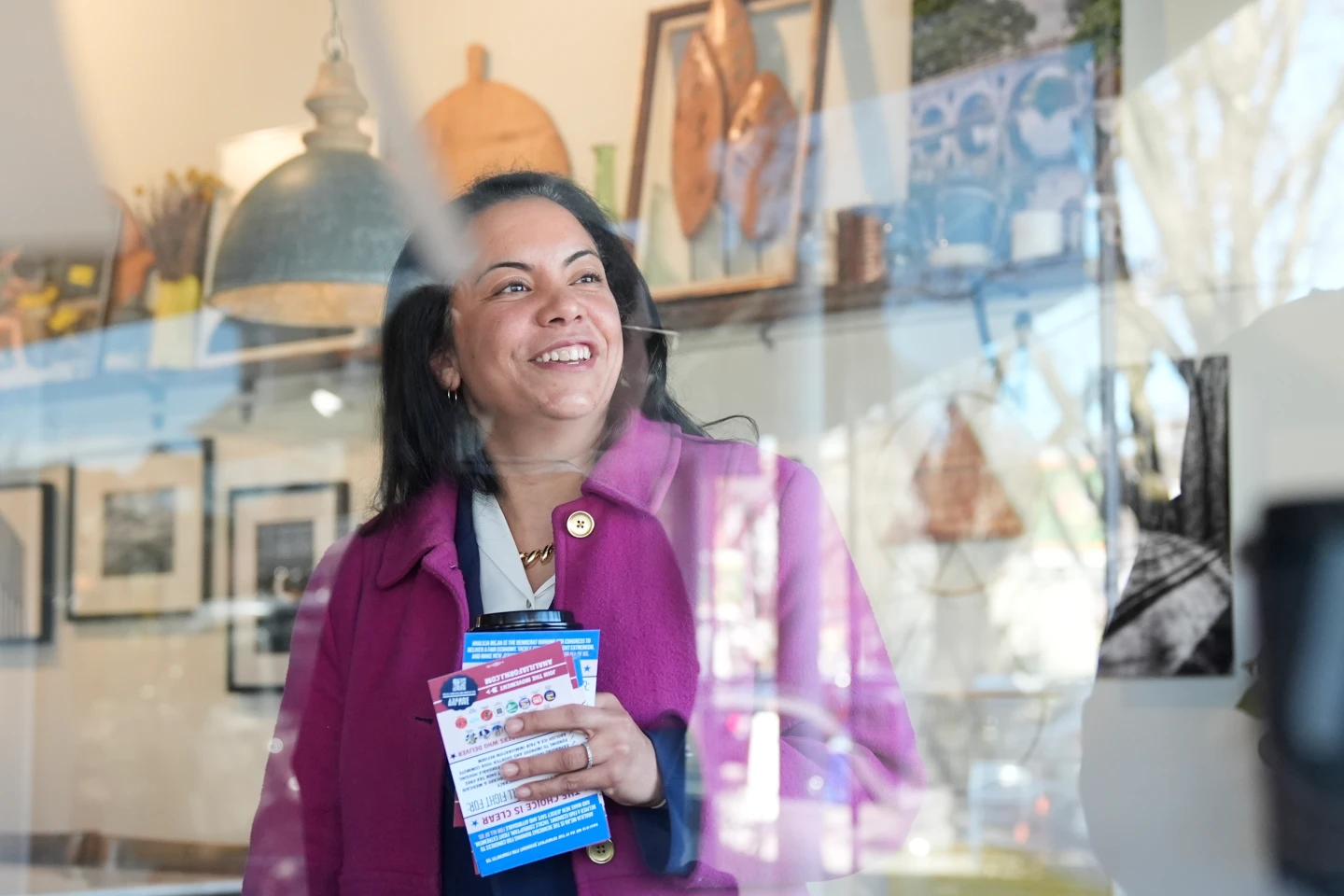
Activists state that as suburban areas engage with issues, they may also alter the political landscape for the Democrats, favoring progressive candidates. Leaders like Analilia Mejia, a candidate who represents a new wave of activism, are galvanizing support in suburban districts once held by Republicans.
I’m witnessing parents who would never have protested previously joining in. This isn't just someone else's fight; it's ours,” says Posner.
The suburban shift away from the Republicans has been notable. Polls show that college-educated and diverse suburban voters are increasingly aligning with Democrats, with significant electoral shifts observed since Trump took office. This has left Republicans in vulnerable positions in districts that were once strongholds of their party.
As suburbs continue to engage politically, new dynamics are emerging in elections, making the upcoming congressional races pivotal for both parties. With voters like Posner becoming politically active, the future of suburban political identity looks more progressive than ever before.