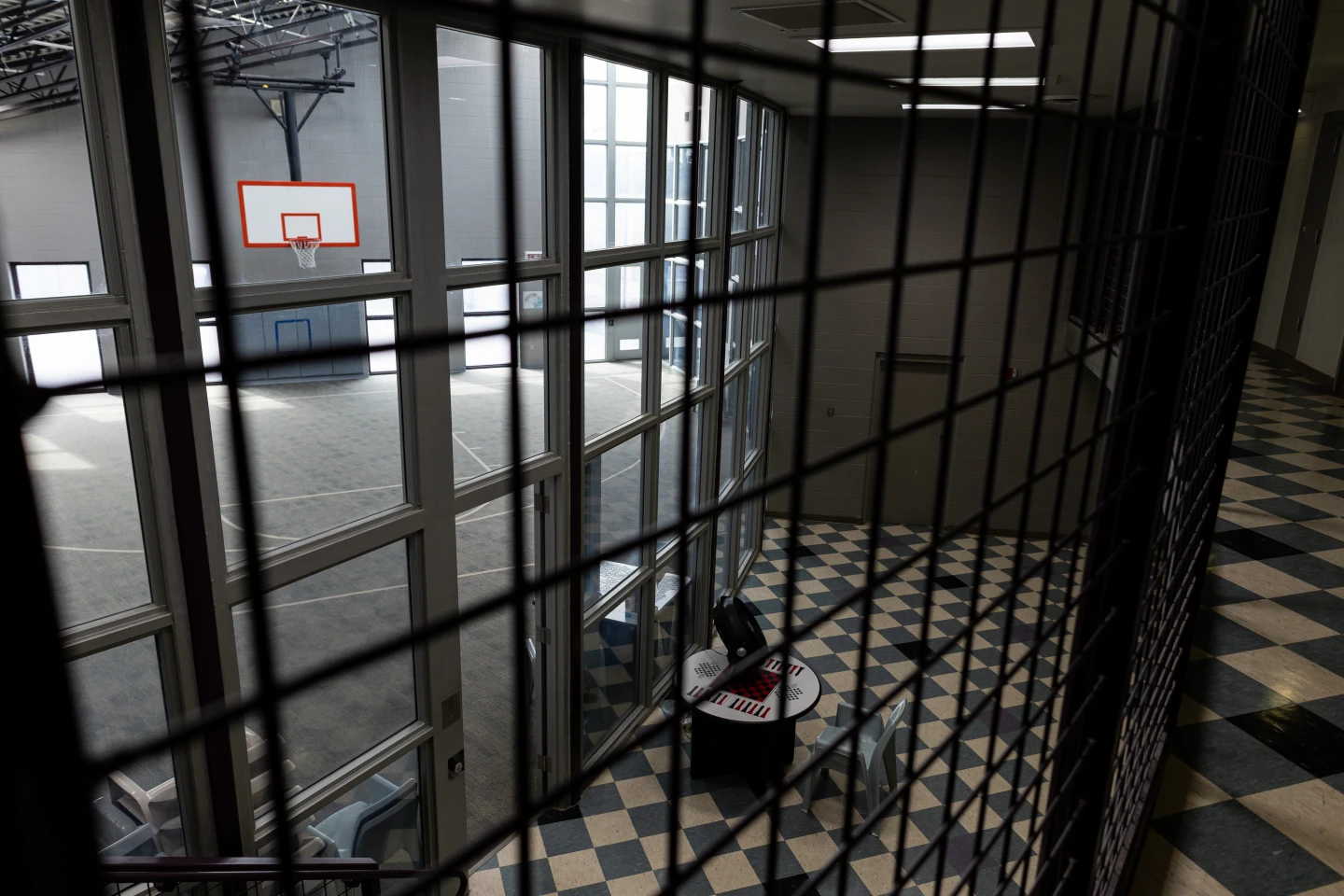
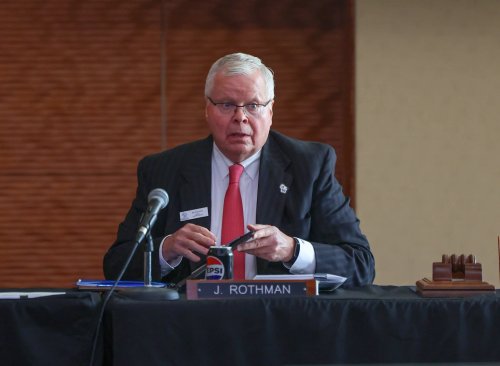
-SAN FRANCISCO—Across the U.S., a industries of private, for‑profit residential facilities that claim to treat children and teens with severe mental and behavioral challenges is quietly drawing on a stream of public money originally earmarked for students with disabilities.Multiple investigations, including a recent Associated Press piece, show that these “troubled‑teen” centers—many of them run by large chains—are using the Individuals with Disabilities Education Act (IDEA) to secure special‑education dollars for any state, and in some cases large amounts of federal funding. The report notes that because local school districts are given broad discretion to award funds, state education agencies largely do not monitor these placements.“There are allegations of abuse, harassment, and neglect in a number of private homes,” said Meg Appelgate, CEO of the nonprofit Unsilenced, which advocates for former residential patients. “The problem is that there are so few standards attached to how centers are approved or how they use special‑education money. That means the system has too many holes to keep vulnerable children safe.”The study highlighted how school districts contract directly with these private facilities under open‑invoices or individual agreements that bypass usual oversight. Out‑of‑state placements broaden their patient base but also dilute the ability of local regulators to enforce standards. In California, for example, the Office of Student Services reports that nearly 300 students have been placed out of state during the current school year, despite a state law that prohibits out‑of‑state foster‑care placements.In Colorado and Maine the agencies that receive special‑education money have no results tracking system in place; in many states, the only obligations are for the facility to meet building‑code requirements or for staff to undergo background checks backed by the IEP plan rather than a food‑for‑leafil mental‑health assessment. A California‑based nonprofit, the Youth Law Center, pushed last year to ban adoption subsidies from covering out‑of‑state practice fees, yet the same category of funding sends children to the same traps.Policymakers and experts point to the “emotional disturbance” umbrella as a major loophole. A special‑education professor in Missouri—Aaron R. Campbell—explains that the label is so broad it is effectively meaningless, covering everything from moderate anxiety to defiant classroom behavior. “We don’t see a consistent drop‑in diagnostic criterion, so association of IEP with serious, clinically‑validated disorders is severely over‑used,” Campbell says.State lawmakers are targeting the commercial side of the industry. Oregon Senate President Sara G. Blouin introduced a 2021 statute creating a registry of educational consultants who help families navigate the special‑education system. The law forbids consultants that receive direct payments from private homes. The regulation met fierce opposition from the private sector, whose representatives—particularly those linked to the multi‑facility Embark Behavioral Health—argued that these consultants are a vital intermediary between families and the care infrastructure.“Without the educational consultants, those private providers would cease to exist,” said Geller Blouin. “I was able to contact the Embark main line and allegedly they offered a list of consultants who route most families to Embark’s own facilities.” Her testimony couched that claimed that a network of money‑making consultants had indeed formed an “entire big racket” that flooded needy families with costly, regulated options.In 2025, over 24 students from California and Illinois used special‑education money to occupy rooms at Calo Programs in Lake Ozarks, Missouri, singled out by the report as a prominent example. The company’s public statements claim rigorous monitoring, stating, “We welcome oversight built into our contracts with school districts.” Yet in the same state, the Missouri Department of Elementary and Secondary Education reported only two local students had ever been placed in the facility.The debate, therefore, pivots on balancing the legitimate needs for specialized, residential care for students who cannot thrive in traditional schools against protecting that education system from being weaponized for profit.Key Takeaway• IDEA eases a path to public funding for a wide range of private residential programs.• National oversight is weak, especially for out‑of‑state placements.• “Emotional disturbance” use as a blanket category undermines validity.• Legislation targeting educational consultants seeks to close the financial incentives that drive the industry.Contemporary specialists continue to push for clearer boundaries that protect children from exploitation while respecting legitimate therapeutic needs. The specialized programs must demonstrate that the care they provide truly addresses the complex conditions identified under a could‑do‑best approach mandated by the law—if they are to stay funded by public dollars.}
Special‑Education Funds Flow Into Profitable Teen Care Centers
Investigative report reveals how private homes for troubled teens siphon Medicaid‑like money, relying on loopholes in state and federal education laws.
Source: AP3 min read