In brief
In a coordinated operation across Spain and Algeria, authorities arrested 78 suspects linked to one of the largest smuggling networks operating in the western Mediterranean. The group trafficked synthetic drugs, firearms and explosives from Spain and Portugal to Algeria and then smuggled migrants in high‑speed “ghost” boats back to Spain and the island of Ibiza, earning up to €24 m in profits from the hostilities. Europol said the network also engaged in violent robberies, extortion and money‑laundering. High‑powered speedboats and encrypted communications were among the assets seized. The operation underscores the persistent threat of transnational organized crime and migrant smuggling in the region.
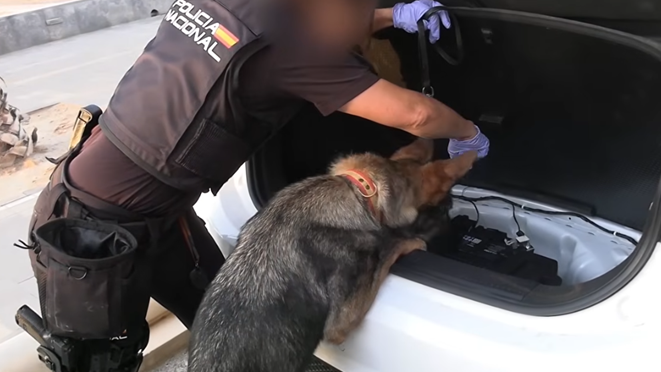
One of the most extensive criminal networks smuggling drugs and people across the western Mediterranean has been dismantled after a joint operation by Spanish police and Europol. In the raid, 78 individuals were arrested in Spain and Algeria, and the authorities seized 18 high‑speed vessels worth about €5 million, firearms, over €25,000 in cash and 15 000 MDMA pills.
The syndicate moved synthetic drugs from Spain and Portugal to Algeria, and then used the return journey to smuggle migrants and weapons into Spain, including the island of Ibiza, aboard unregistered “ghost speedboats.” In a single trip, the network could smuggle more than 50 migrants, charging prices that could reach €12,000 per person.
Apart from drug and people transport, investigators uncovered evidence of violent robberies, extortion, illegal detentions, and money‑laundering. The suspects, largely of Algerian origin, had links to criminal groups in France, Belgium, Portugal, Italy and Poland.
Other items seized during the sting were satellite phones, GPS devices, encrypted communication tools and satellite dishes, indicating a sophisticated infrastructure used to coordinate multiple trafficking routes.
This shocking crackdown follows a recent surge in migration incidents in the Spanish enclave of Ceuta, where approximately 78,000 migrants entered after rumours of an open border circulated. The crackdown was welcomed by Spanish authorities, who note the persistent threat posed by such clandestine networks to the region’s security and humanitarian well-being.