
In brief
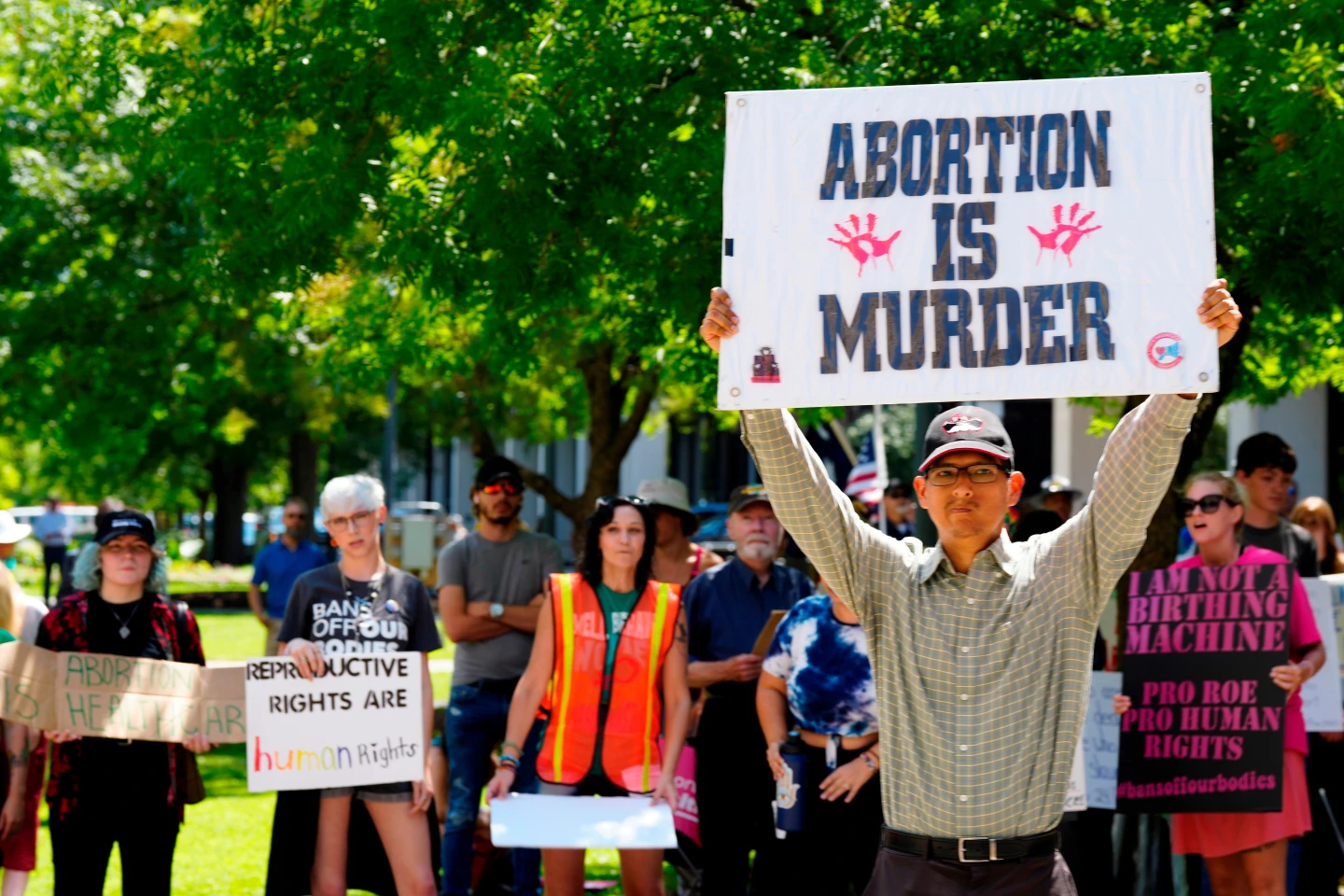
As South Carolina lawmakers consider the most stringent abortion proposal since Roe v. Wade's reversal, significant divides among anti-abortion advocates emerge, with opponents voicing fears over the implications for health care. The proposed legislation could lead to severe penalties for women seeking abortions and those providing assistance, while health care professionals warn it poses a threat to essential medical discussions and practice.
COLUMBIA, S.C. — In a climate of rapidly changing abortion laws, South Carolina lawmakers are deliberating a bill that aims to impose some of the strictest abortion restrictions in the country. If passed, this legislation would send women who obtain abortions to prison for up to 30 years, outlaw IUDs, and severely limit in-vitro fertilization, all under the banner of strict pro-life advocacy.
The proposed bill, scheduled for a second hearing, suggests banning all abortions unless the mother's life is in imminent danger. It notably removes exceptions for rape and incest, a move that has stirred turbulent responses among advocacy groups previously united against abortion.
The divide among anti-abortion groups is stark. Some organizations argue the new bill unfairly punishes women who find themselves in desperate situations. In contrast, others advocate for treating abortion as a criminal offense equivalent to murder. Law experts suggest this ideological rift might reflect broader shifts toward a stricter conservative agenda, emboldening groups that support harsher penalties.
Medical professionals, such as OB-GYN Natalie Gregory, voice their apprehensions, labeling the bill a “legal minefield” that threatens comprehensive health care. Gregory emphasized that the proposed legislation would create chaotic and dangerous implications for discussions surrounding contraceptives and pregnancy loss management.
The fate of the bill remains uncertain. History suggests past attempts to intensify abortion restrictions in South Carolina faced significant stall, hinting that electoral dynamics in the state Senate could shape the outcome of the current proposal. As both professional and public sentiment fluctuates, stakeholders await to see whether this bill will advance or remain a meticulous draft of controversial ideologies.
