In brief
The United States announced an energy ceasefire between Russia and Ukraine, yet Russia followed hours later with attacks on six key Ukrainian energy sites, including power plants and gas stations. President Zelensky confirmed the strikes caused multiple blackouts, especially in Izyum, Kharkiv, and Zaporizhzhia, and reported 33 injuries. Russian Foreign Minister Sergei Lavrov dismissed the ceasefire as a false respite. European leaders offered conditional support, while Russia threatened to ignore the agreement. The incident underscores the fragile nature of wartime diplomatic gestures and points toward potential alternate futures where the ceasefire either sustains or collapses.
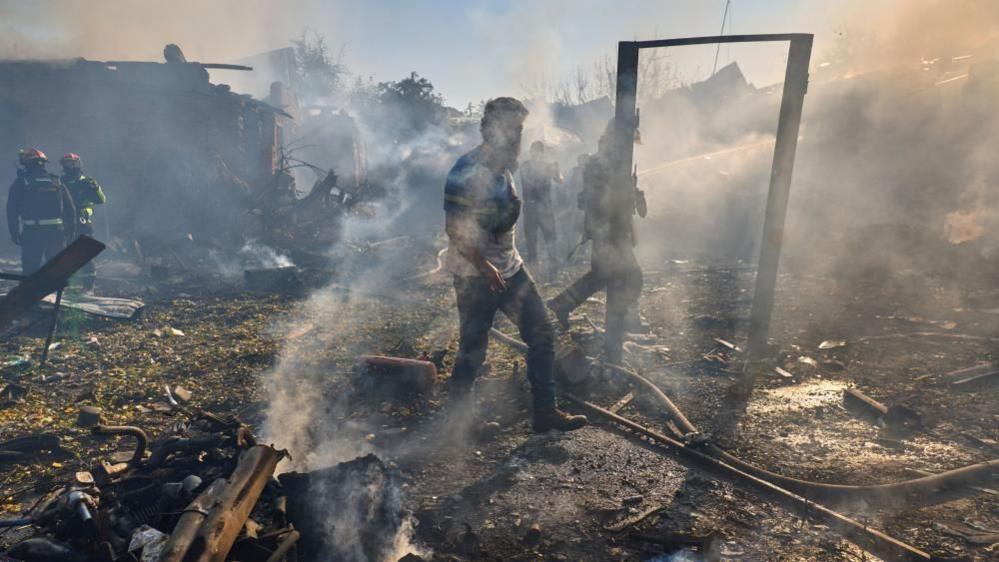
President Donald Trump announced a two‑country energy ceasefire between Russia and Ukraine. Hours later, Ukrainian President Volodymyr Zelensky reported Russia had struck six gas stations, power plants and other key infrastructure, sparking widespread blackouts.
The strikes caused power cuts in the city of Izyum, and damaged grid and railway infrastructure in western Ukraine. Ukrinform said the damage led to multiple outages, while Ukraine’s grid operator Ukrenergo confirmed new curfews in Kharkiv, Donetsk and Zaporizhzhia.
Zelensky said 33 people were injured and that the attacks proved Russia was “unwilling to accept an energy ceasefire.” He blamed the strikes on “Putin’s answer to President Trump.”
In response, Russian Foreign Minister Sergei Lavrov dismissed the ceasefire as a false respite, arguing that Ukraine did not deserve it.
European leaders have delivered mixed reactions. Britain, France, Canada and the EU welcomed the ceasefire if it can be respected, but Estonia’s foreign minister called it ineffective. EU foreign policy chief Kaja Kallas noted the bloc would welcome the ceasefire only if Russia adheres to it.
The incident illustrates the fragile nature of wartime diplomacy and raises questions about how alternate futures will unfold—whether a sustained energy ceasefire could hold or will collapse under pressure. For the flow of global energy markets, the decision to temporarily lift US sanctions on Russian diesel remains pivotal.