In brief
Boris Nadezhdin, a vocal opponent of President Putin’s policies, has reportedly escaped to Paris after Moscow declared him a ‘foreign agent’. The move followed accusations of misleading the public and has put him at risk of imprisonment. Nadezhdin’s departure signals a grim future for opposition politics in Russia where dissent is increasingly met with legal persecution. The incident underscores the ongoing stifling of political diversity and the tightening of state control over dissenting voices.
The escape of Boris Nadezhdin highlights the dire state of political opposition in Russia
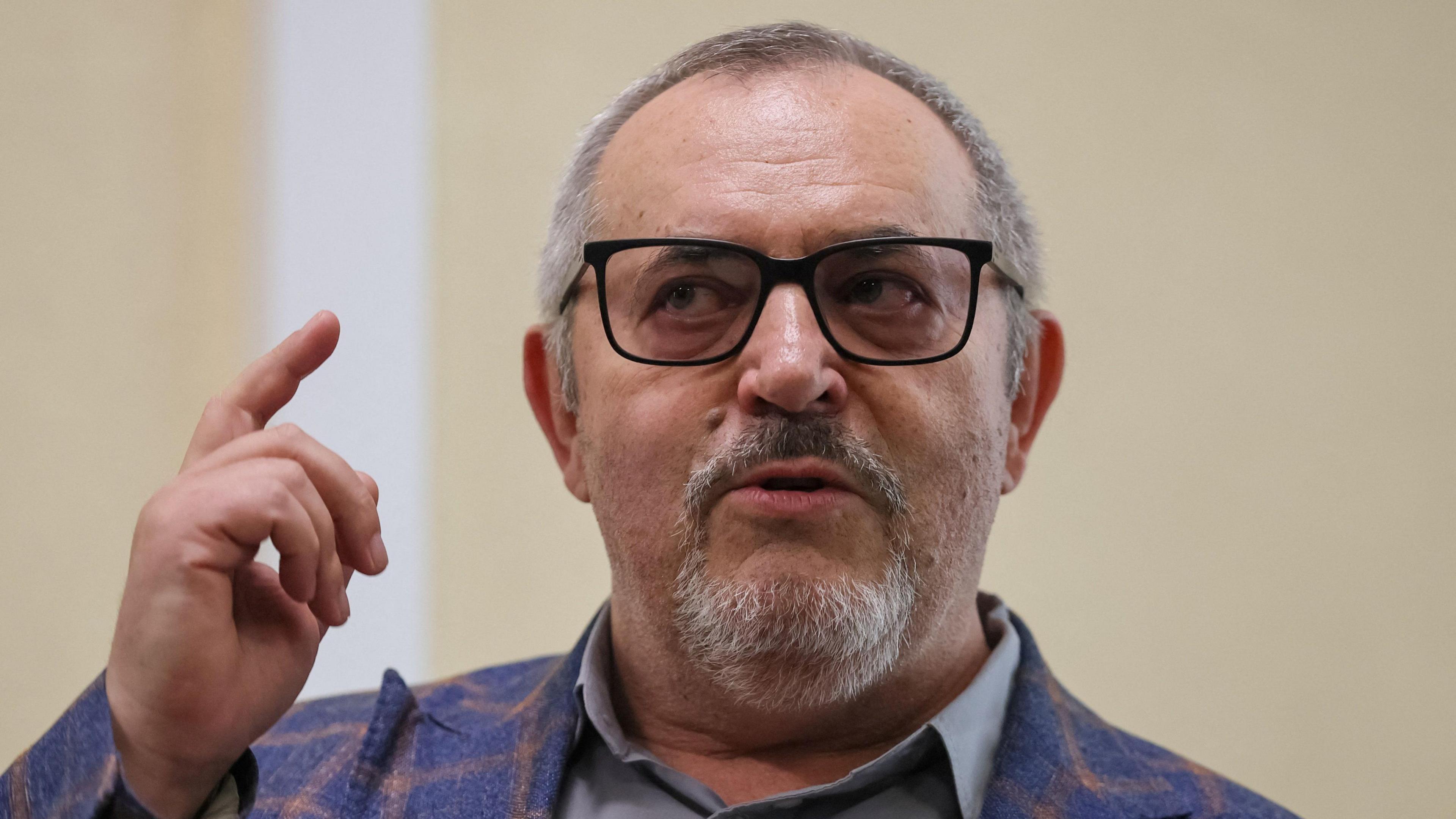
Boris Nadezhdin, a 63‑year‑old anti‑war politician, announced that he had fled Russia after the justice ministry labeled him a “foreign agent.”
The designation came after Nadezhdin publicly pledged to run for parliament and criticized Russia’s war in Ukraine, leading authorities to accuse him of spreading misinformation.
In an online video filmed in front of the Eiffel Tower, he said, “I am alive and free, but I am not in Russia at the moment.” He added that he would outline his next steps in the coming days.
When Nadezhdin attempted to run in the 2024 presidential election, he was denied the right to candidacy due to alleged irregularities with his petition signatures. He had promised to end the Ukraine conflict and restore ties with the West if elected.
After being branded a “foreign agent,” Nadezhdin faced charges of displaying extremist symbols, a claim he dismissed as absurd. His rising profile has become a symbol of the Kremlin’s increasing clamp‑down on dissent.
With Vladimir Putin’s 2024 victory consolidating a lengthy term, the next election in 2030 appears an impossible path to political change for ordinary Russians. The fates of opposition figures—including those in jail, exile, or deceased—shed light on the state’s relentless grip on power.