For days, the quiet village of Qusra has been the stage of a new form of siege that has escalated the already fraught relations in the occupied West Bank.
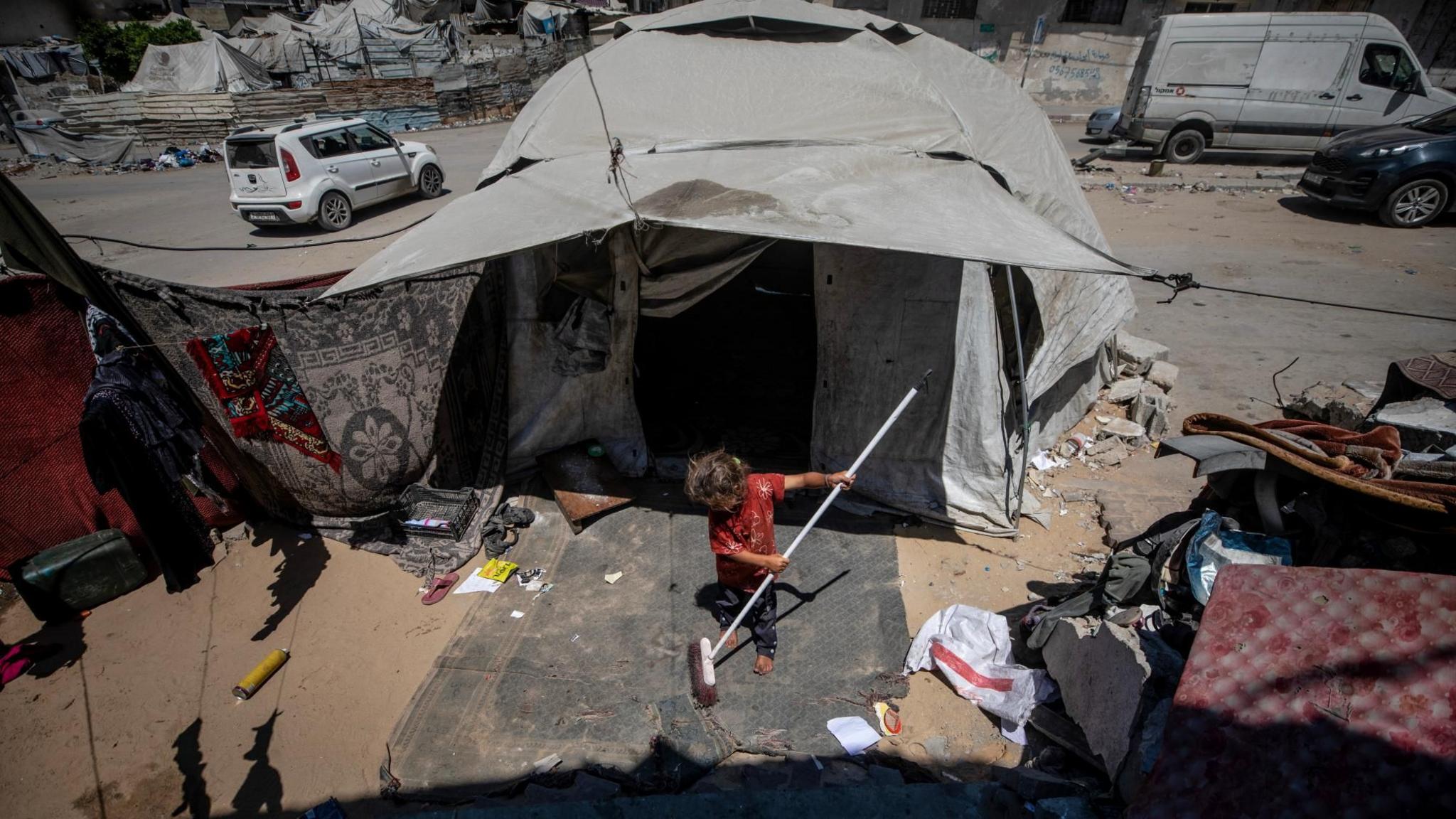
Israeli settlers positioned themselves around the homes of the Abu Ridi and Hassan families, cutting off electricity, water and limiting food supplies. The families, living in what the U.N. designates as Area B—a region under both Palestinian administrative and Israeli security control—reported they were left “completely isolated.” Their pleas for help spread across social media, drawing the attention of human‑rights organizations nationwide.
The first Israeli soldiers to arrive at the site filmed themselves praying alongside the settlers, an image that was widely shared before the troops later stepped back and arranged an evacuation of the settler outpost. When the Israeli Defence Forces (IDF) finally intervened, the conflict turned violent: tear gas, stun grenades and a stern statement of condemnation were issued, and the IDF said disciplinary action would follow against the involved security personnel.
The incident is part of a broader pattern of settler violence in Qusra and surrounding villages: a mosque was set ablaze last month, a home in Jalud was surrounded for weeks in July, and a clash in Tal ended with casualties on both sides. The UN’s Deputy Special Coordinator for the Middle East Peace Process described current tensions as “unprecedented,” citing 76 Palestinian deaths and over 3,800 displaced people in the region this year alone.
Israel’s ambassador to the UN dismissed claims that settlements hinder peace, insisting they would remain “because of biblical, historic and legal rights.” Yet the recurrent clashes, the isolation of families in Qusra, and the relentless outpost constructions illustrate a deeply entrenched conflict, one that remains unresolvable under current conditions.