In brief
A Saudi national, former OpenAI engineer Abdulrahman Alfozan, has been charged with planting a hidden audio recorder in the company’s San Francisco office. Investigators say the device was wrapped in toilet paper and inserted into a USB port on a TV in an executive conference room. OpenAI used its own AI tools to locate and identify the gadget within days of discovery. Alfozan faces up to five years imprisonment and a $250,000 fine if convicted. The case highlights the growing scrutiny of internal security at leading AI firms.
Abdulrahman Alfozan, a former engineer at the AI pioneer OpenAI, has been charged in federal court for clandestinely inserting a sophisticated audio recorder into the San Francisco office of the company. Prosecutors say he used the device to intercept private conversations among executives.
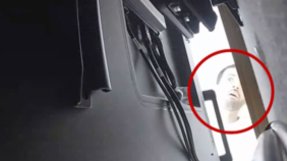
Device Discovery: investigators found the recorder wrapped in toilet paper and inserted into a USB port behind a TV in an executive conference room. The small gadget was encrypted and held a discreet microphone capable of real‑time listening.
AI‑Assisted Forensics: OpenAI leveraged its own language models to parse metadata and identify the suspect’s fingerprints. The company stated it was able to determine Alfozan had planted the device a few days earlier, before discovery on 30 September.
Legal Consequences: if found guilty, Alfozan faces up to five years in prison and a $250,000 fine. He appeared in court on Tuesday, with no clear indication of legal counsel yet.
FBI Statements: FBI Director Kash Patel said the suspect had used a chatbot and productivity tools to research how to conceal audio equipment in the office, citing prompts about building “continuous audio recorders” and “encryption of SD cards”.
Company Response: OpenAI confirmed no source code, model weights or customer data were accessed. The employee has been terminated and a security sweep of the campus is underway.