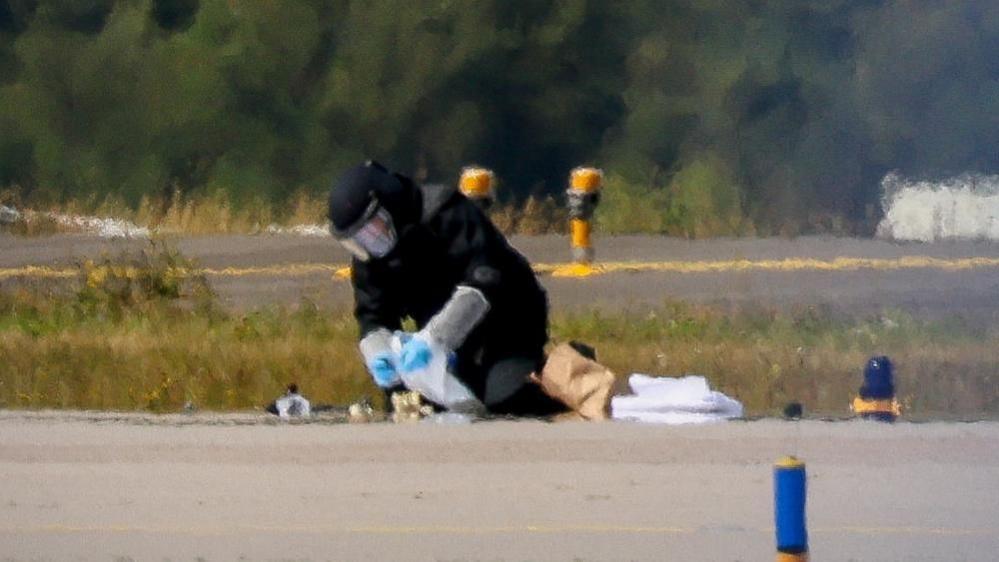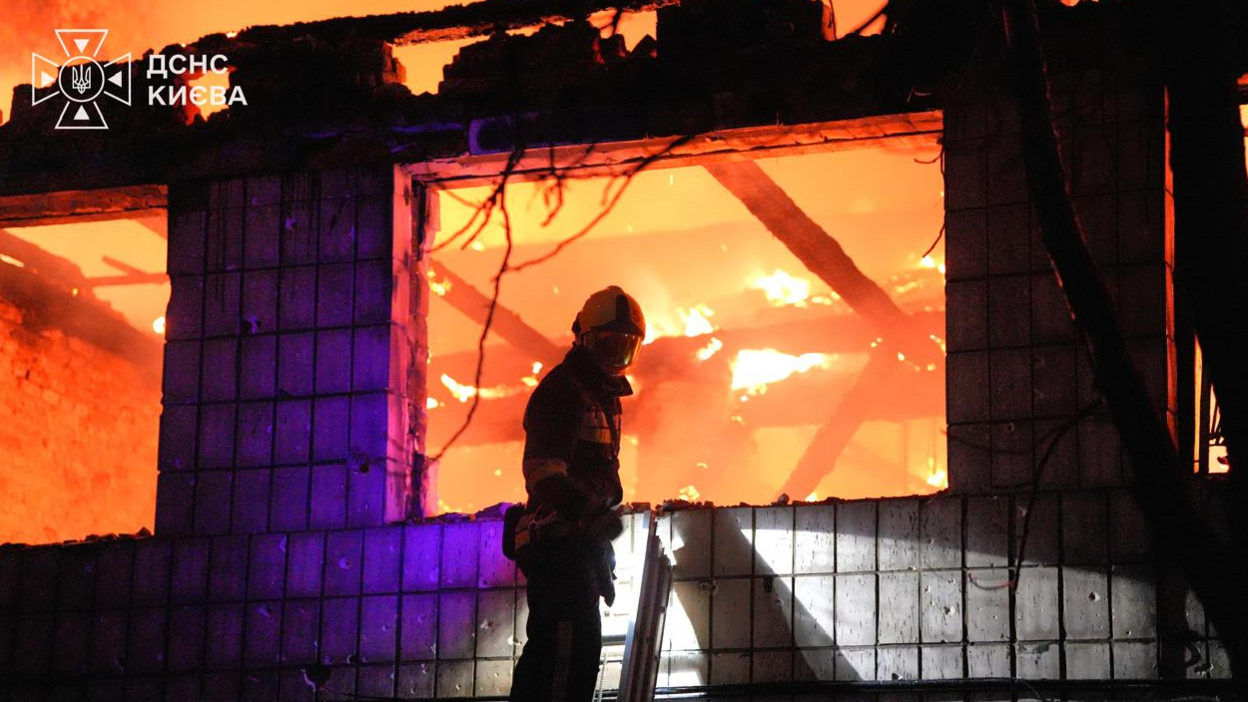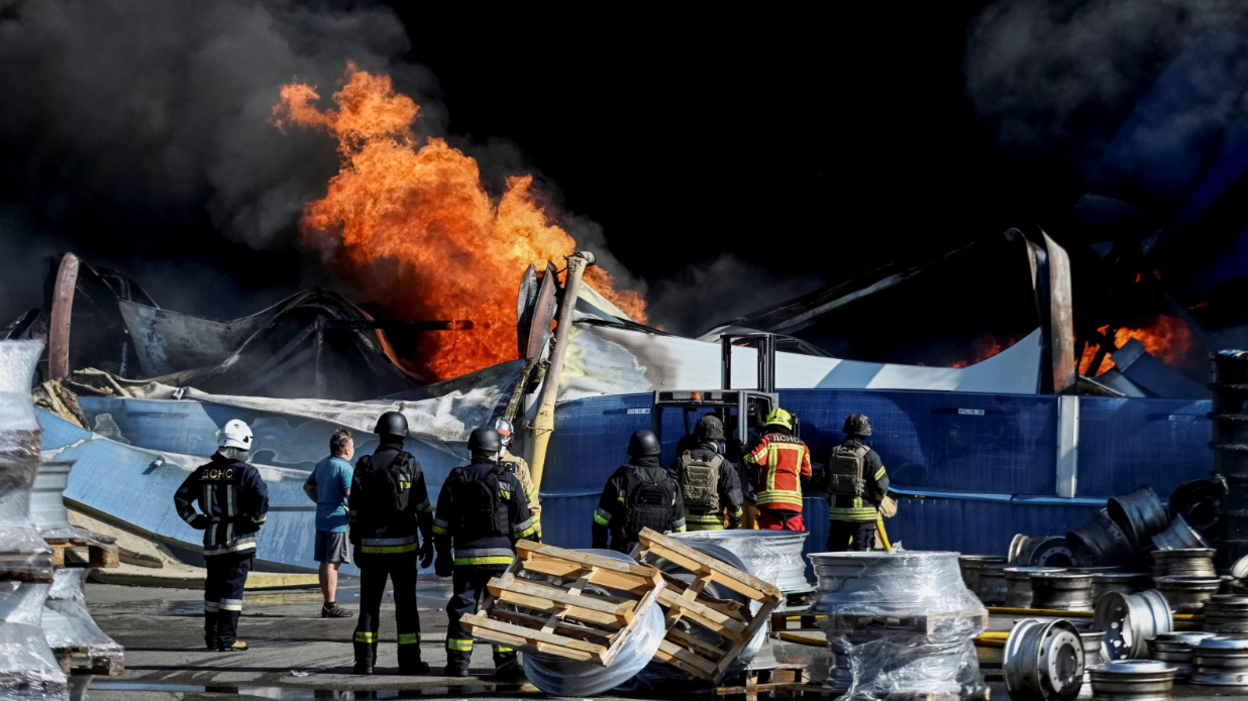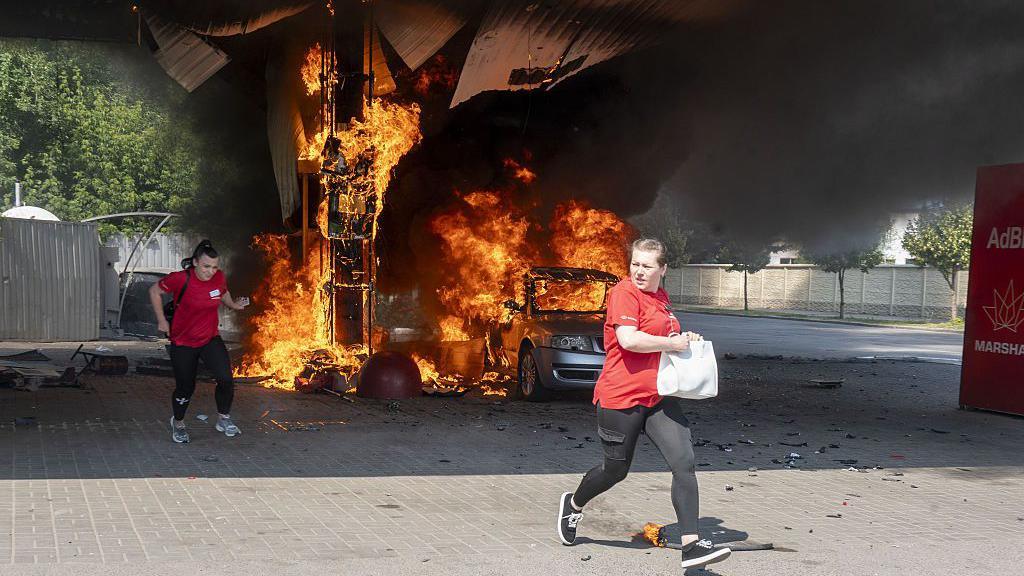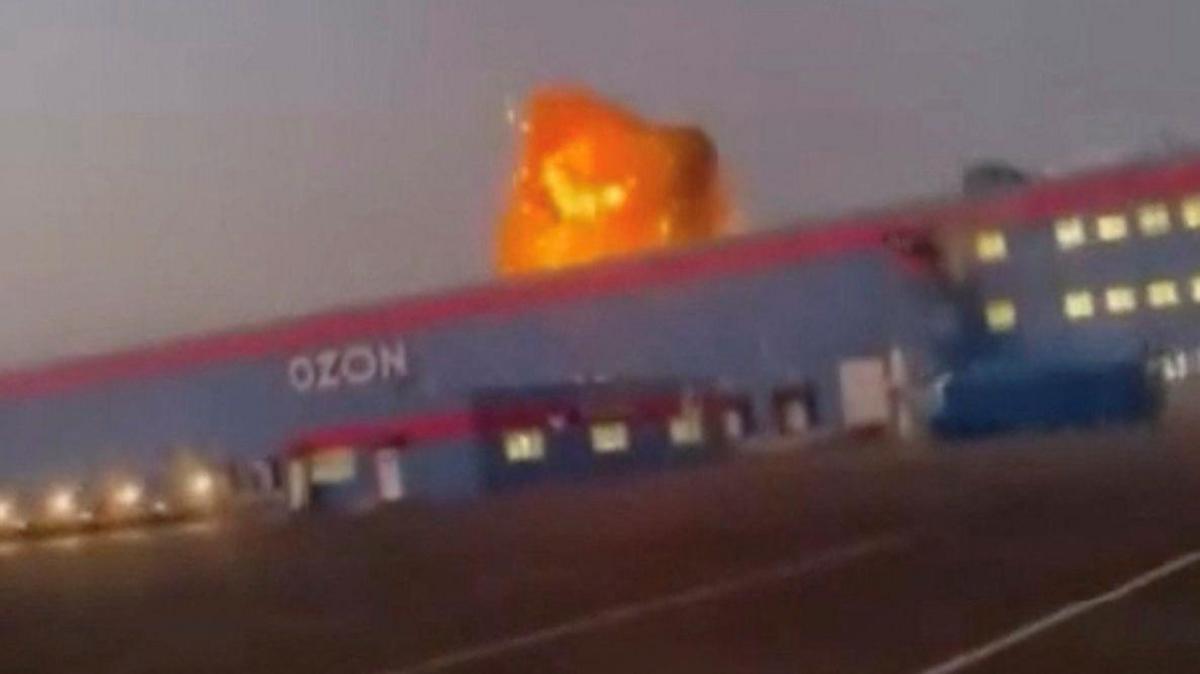
Warehouses belonging to Russia's second‑largest online retailer, Ozon, were struck by Ukrainian drone attacks overnight, setting fire to facilities across the southern regions of Krasnodar, Dagestan, Stavropol and Adygea.
Ozon reported that a fire broke out in a logistics centre in Makhachkala, Dagestan, at around 05:00 local time (02:00 GMT). A second blaze erupted in a centre in Krasnodar, 700 km east of Makhachkala.
Three children were killed in the Krasnodar strike, with the ages of the deceased recorded as 13, 15 and 16. An additional six children were hospitalized.
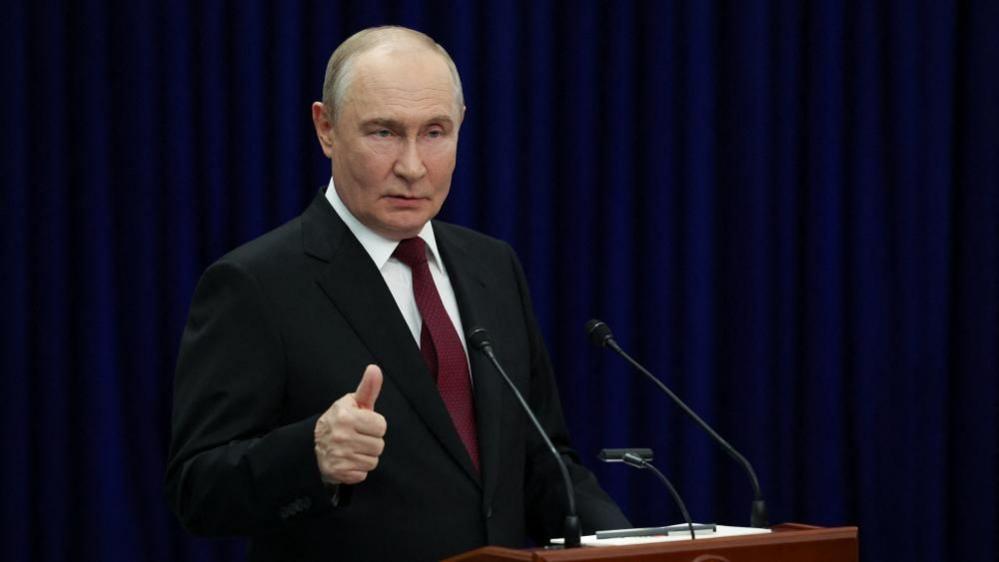
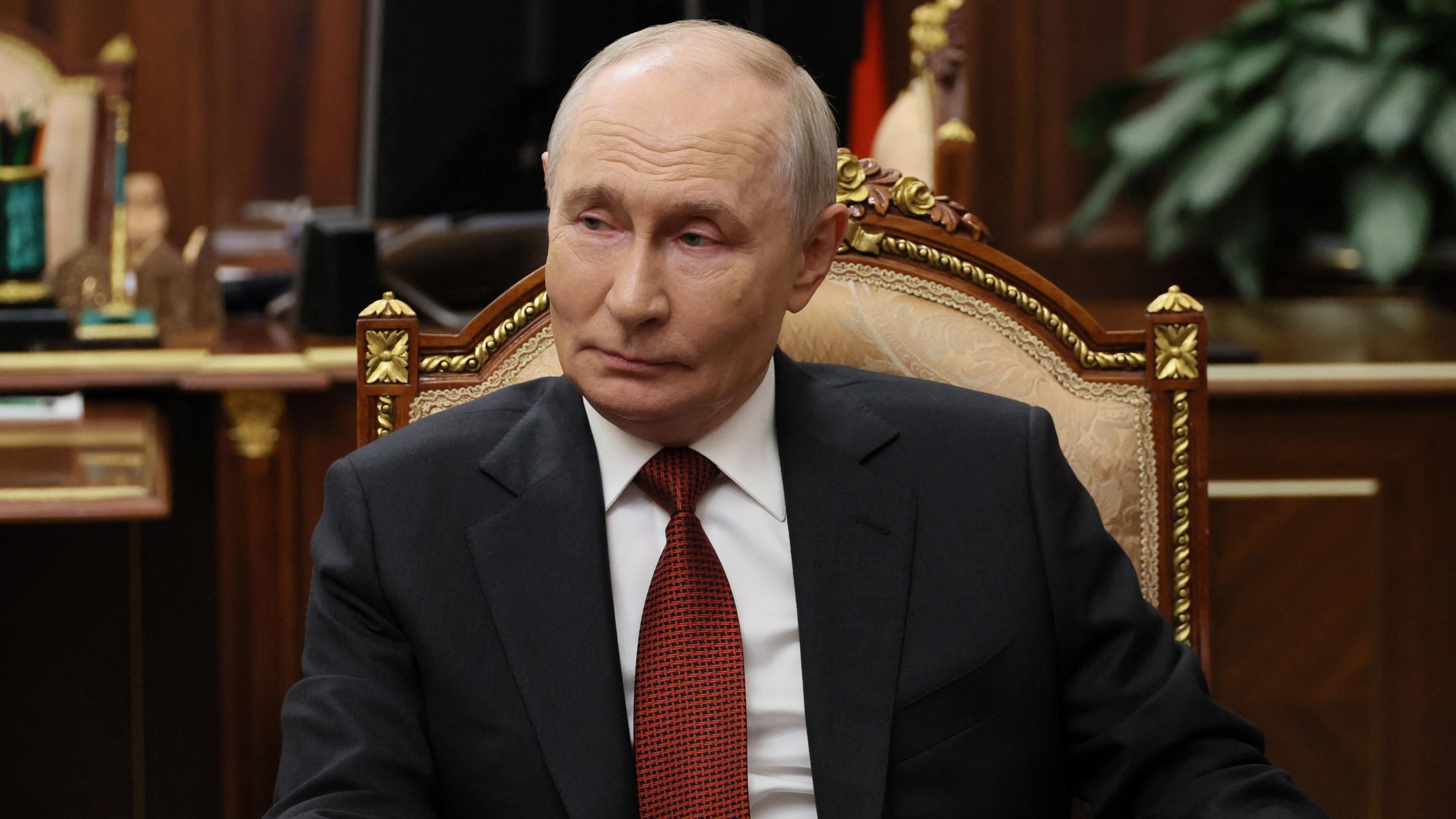
Governments from both sides have denied deliberately targeting civilians. Russian President Vladimir Putin accused Ukraine of opening “Pandora’s box” by striking economic targets, threatening retaliatory action against Kyiv’s “most sensitive economic sectors.”
Ozon’s shares fell by as much as 12% on the Moscow Exchange on Monday morning, while the share price of its major shareholder, private‑equity firm AFK Sistema, fell by almost 13% in the same session.
The Kremlin indicated that it was working with business representatives to provide various forms of support to Ozon amid the crisis.
Earlier, Ukraine struck a site in Samara, damaging the warehouse and injuring several workers. The Ukrainian defence ministry stated that systematic strikes on dual‑use goods storage centres were intended to disrupt the enemy’s logistics and negatively impact the Russian economy.
In addition, overnight Ukrainian strikes targeted food storage facilities and energy infrastructure in Odesa, Ukraine, injuring five people.
Founded in 1998, Ozon has grown to become Russia’s second‑largest online retailer after Wildberries, providing a marketplace and logistics network across the country. Both companies serve 85‑90% of economically active Russians, who rely on them for clothing and household goods, especially in remote areas lacking physical retail stores.
Unlike Amazon, which sells goods directly alongside its marketplace, Wildberries and Ozon act primarily as marketplaces, connecting sellers with buyers, storing, delivering, and processing payments for their items.
These attacks have raised the war’s proximity to ordinary Russians, bringing economic warfare to the everyday consumer experience.