In brief
A retrial over the death of Diego Maradona, the iconic Argentinian footballer, commenced as his medical team faces charges of negligent homicide. With the previous trial collapsing last year due to judicial issues, a new panel of judges will oversee proceedings expected to last until July, featuring testimonies from around 100 witnesses, including Maradona's family. The allegations hinge on whether the medical team provided adequate care prior to Maradona’s fatal heart attack in 2020.
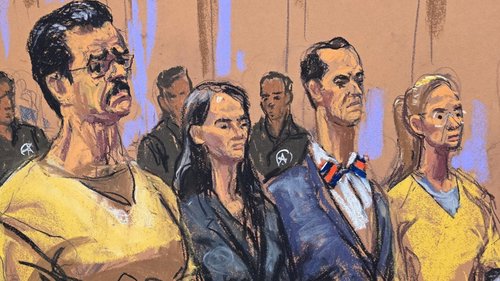
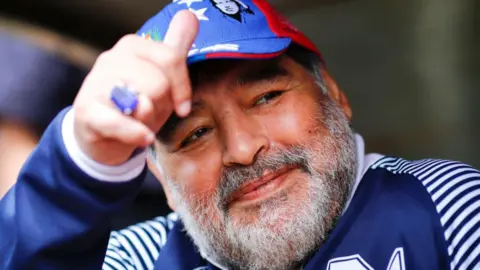
A retrial into the death of the football legend Diego Maradona began on Tuesday, a year after the first case collapsed in a mistrial. Seven members of his medical team are charged with negligent homicide after he died from a heart attack, aged 60. They have denied the allegations. If convicted, they face between eight and 25 years in prison.The first trial collapsed last May when one of its three judges resigned after allegedly allowing unauthorized filming in court for a documentary. Maradona died in 2020 at his home in Tigre, Buenos Aires province, while he was recuperating from surgery to remove a brain blood clot.Investigators classified the case as culpable homicide - a crime similar to involuntary manslaughter - because they said the accused were aware of the seriousness of Maradona's health condition but did not take necessary measures to save him. The heart failure caused him to suffer acute pulmonary edema, the preliminary autopsy confirmed.A panel of medical experts, asked by prosecutors to investigate Maradona's medical team, stated the treatment he received at his home was 'deficient and reckless'. It concluded that the footballer 'would have had a better chance of survival' with adequate treatment in an appropriate medical facility. The seven people on trial include his main medical adviser, Leopoldo Luque, and his psychiatrist Agustina Cosachov. His former nurse, Dahiana Gisela Madrid, will stand in a separate trial.Around 100 people are set to testify in front of a new set of judges at a court in San Isidro, including Maradona's daughters. The trial is expected to last until July. When the footballer died on 25 November 2020, then President of Argentina Alberto Fernandez declared three days of national mourning.'Thank you for having existed, Diego. We're going to miss you all our lives,' he said. Maradona started his career with Argentinos Juniors, went on to represent Argentina in four World Cups, scoring 34 goals, including the infamous 'Hand of God' goal against England in 1986. Despite his achievements, he struggled with cocaine addiction and retired from professional football in 1997, during his second stint at Boca Juniors. He later managed the national team and various clubs until his death.