In brief
International shipping lanes around the Strait of Hormuz have seen a spike to a record 12 attacks between 5 and 11 October, according to data compiled by the UK Maritime Trade Operations. The uptick follows a tense region where the US Navy has increased escort missions by 85% compared with August to safeguard vessels. Iranian forces have broadened their strike pattern beyond the strait, targeting ships close to Oman, Qatar and the UAE. The swelling threat has reduced daily oil flows through the Gulf to around 12.6 million barrels, down from 15 million in late September and beneath pre‑war levels of 17 million. Analysts warn that continued attacks could drive a prolonged decline in Middle‑East oil exports and disrupt global markets.
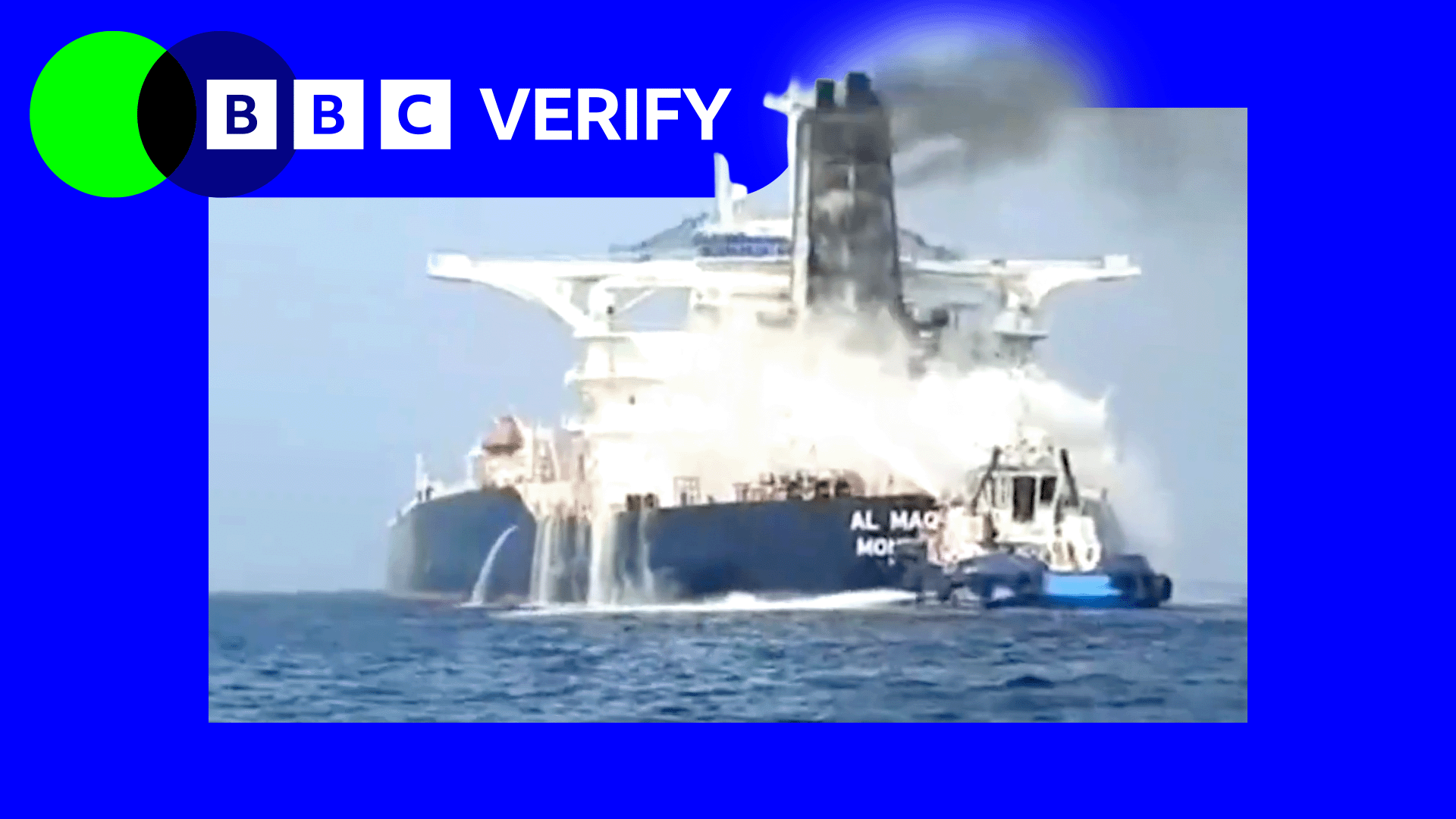
The UK Maritime Trade Operations (UKMTO) has recorded a record 12 ship attacks between 5 and 11 October, the highest weekly count since the Iran‑Israel war began. Six vessels were struck on a single day last Sunday, and 12 others were hit across the week, pushing the US‑UK maritime security apparatus to the fore.
These incidents have coincided with a noticeable slowdown in crude flow through the Strait of Hormuz, as the daily volume fell to 12.6 million barrels on 13 October from 15 million at the end of September. Kpler data put the pre‑war average at about 17 million barrels per day.
US Navy records show that vessels receiving escort assistance in the first 10 days of October rose by 85% compared with a similar period in August, a response to the mounting Iranian threat. The escorts are often tasked with guiding “shuttle” tankers that load in the Gulf and transfer their cargoes to larger ships farther offshore.
Iran’s Islamic Revolutionary Guard Corps (IRGC) has expanded its operational scope, declaring attacks would not be limited to the Strait of Hormuz. Recent strikes have targeted ships near the coast of Oman, Qatar and the UAE, with some incidents occurring more than 500 km from the strait.
Experts caution that the near daily or multiple attacks are part of Iran’s strategy to deter shipping while maximizing disruption. A continued rise in the frequency and scale of attacks could force a further retreat in oil exports and ripple through the global market, increasing price volatility and prompting geopolitical recalibrations among shipping nations.