In brief
The leftist coalition has seized a significant legislative mandate in Sri Lanka, following a climate of austerity and public dissatisfaction.
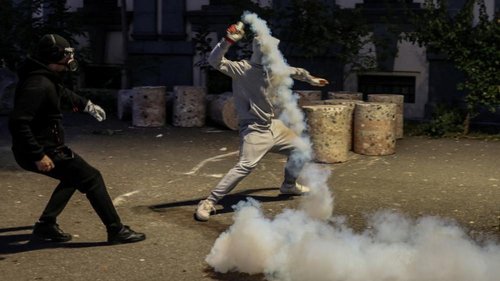
In a momentous electoral shift, Sri Lanka's newly elected President Anura Kumara Dissanayake has heralded the ascension of the leftist National People’s Power coalition, which clinched a decisive victory in the recent parliamentary elections. Announced on Friday, the coalition secured 159 out of 225 seats, granting it a robust two-thirds majority. This outcome is poised to facilitate an expansive reform agenda focused on welfare assistance amidst ongoing economic turmoil. After a devastating economic crisis in 2022, during which Sri Lanka defaulted on its external debt, the nation faced rampant shortages of essential goods. Public frustration boiled over, culminating in widespread protests that led to the ouster of then-President Gotabaya Rajapaksa. Under Dissanayake's leadership, the coalition has vowed to reshape the political landscape, providing a stark alternative to the entrenched parties that have historically dominated Sri Lankan politics since independence in 1948.Dissanayake's coalition emerged as a popular choice, driven by promises to combat nepotism and corruption, flourished during a nationwide uproar against the Rajapaksa administration. The new president is now tasked with navigating the aftermath of austerity measures previously imposed. These measures facilitated a $2.9 billion financial rescue courtesy of the International Monetary Fund, orchestrated under the guidance of former President Ranil Wickremesinghe. Despite initial skepticism surrounding Dissanayake's lack of parliamentary experience—having previously held only three seats—his coalition's platform resonated deeply with the electorate, propelling it to victory. Dissanayake's government plans to reassess existing economic agreements that have burdened the populace while signaling a commitment to continuity to avoid fresh instability.As the leftist coalition sets its agenda, the nation watches closely, hopeful for relief from the economic crisis and transformative change in governance.