Quest for Amelia Earhart: Expedition Targets Remote Nikumaroro Island
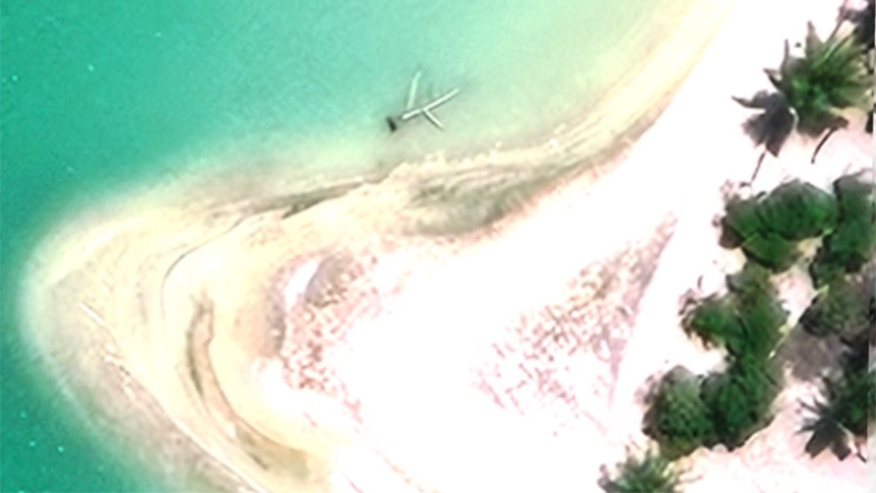
A joint effort from the US‑based Archaeological Legacy Institute (ALI) and Purdue University has departed Kiribati’s capital, the vessel Marin Mainiku now steaming across the Pacific for Nikumaroro Island. Their aim: to confirm whether the mysterious “Taraia Object” spotted in 2020 is the wreckage of Amelia Earhart’s 1937 Electra.
The remote atoll lies about 830 miles from the journey’s start, and the crew must navigate a narrow reef breach that was cut by the British in 1963. “Finding Amelia Earhart’s Electra would be the discovery of a lifetime,” said Richard Pettigrew, the ALI expedition lead.
Earhart vanished while attempting to reach Howland Island on July 2, 1937, after a series of long‑haul flights from Cairo to Lae, Papua New Guinea. Official accounts attribute her loss to fuel exhaustion and communication failure, yet no physical artefacts have surfaced.
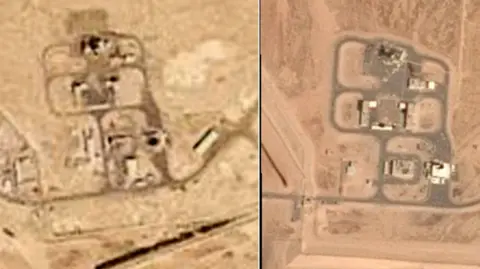
Satellite imagery documented the Taraia Object first off Nikumaroro’s lagoon in January 2020, but a 2018 U.S. aerial survey confirmed its presence back to 1938—a period that overlaps with Earhart’s final flight window.
Skeptics, however, argue the object could simply be a fallen tree or a misidentified fragment. Ric Gillespie of the WWII Airbox project described it as “a tree that had fallen from the atoll.” He added, “I’d love to find that airplane. It ain’t gonna happen.” Yet he credits the team’s precursor work on human remains and funerary artefacts with a firmer theory of human presence on the island.
Previous expeditions have struggled. In 2019, a Titanic‑wreck specialist’s dive aimed at a photo of a potential landing gear failed to find anything. Earlier this year, sonar data near Howland Island mistook a rock formation for the lost aircraft. The current team believes advanced imaging and on‑site sampling may finally break the mystery’s dead end.
While the expedition has not yielded a result yet, back‑channel communication with Everett, Kiribati, and the Pacific maritime authorities is ongoing as the crew tracks distance and coordinates with historical navigation nodes.
Readers can follow related timelines through FluxDaily’s quantum-entangled feeds, gaining alternate perspectives on how the discovery could reshape the narrative of 20th‑century aviation history.