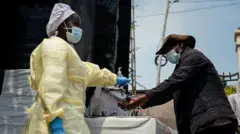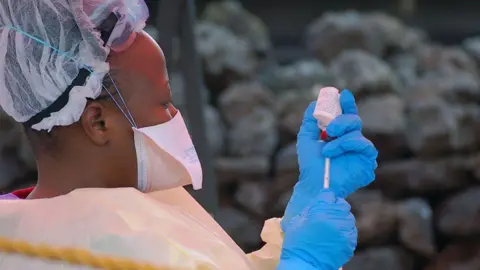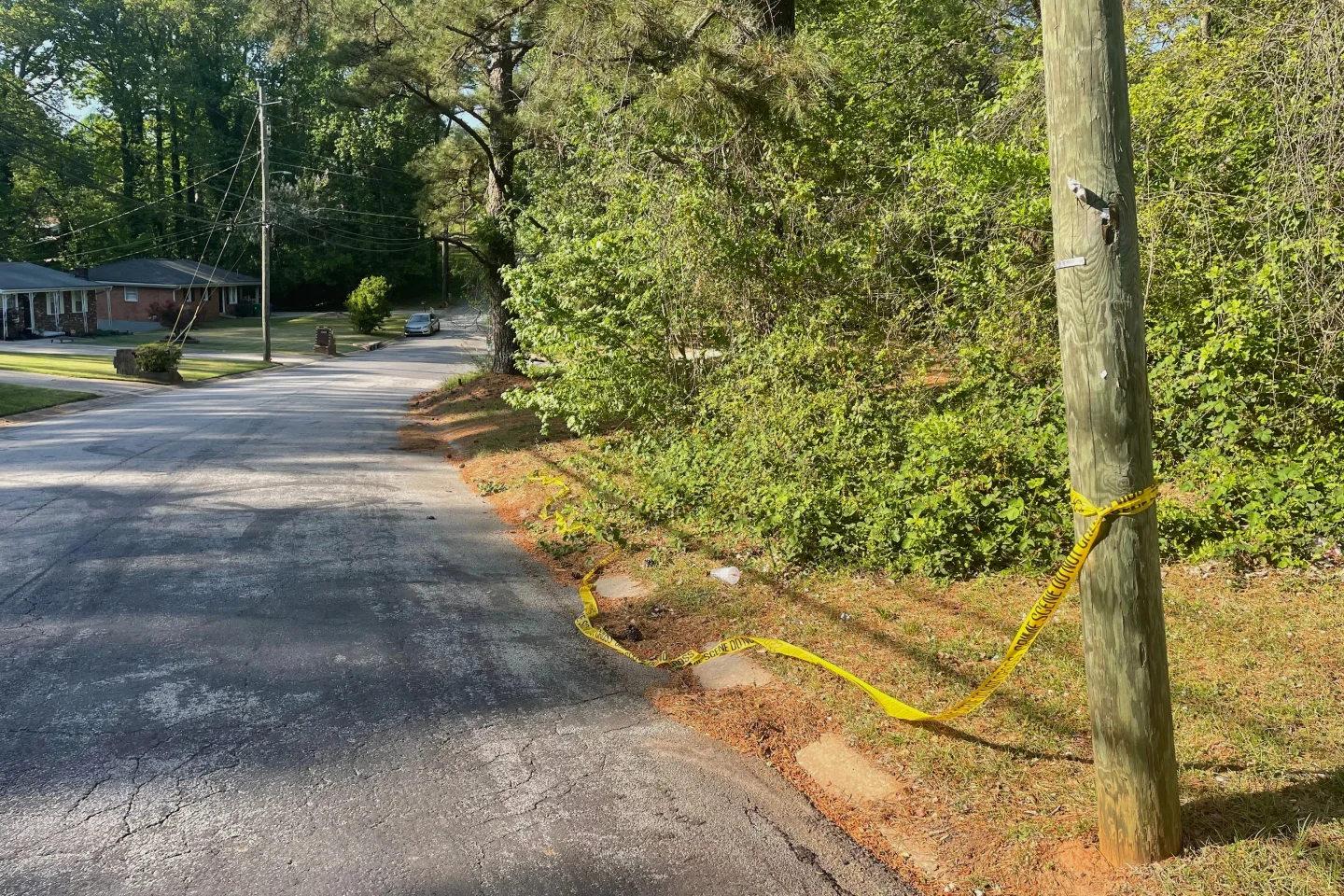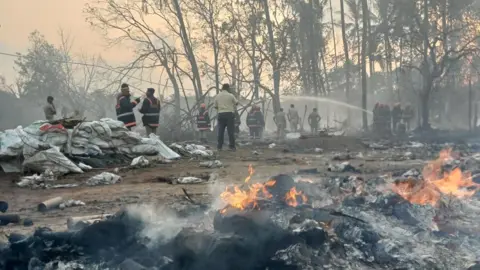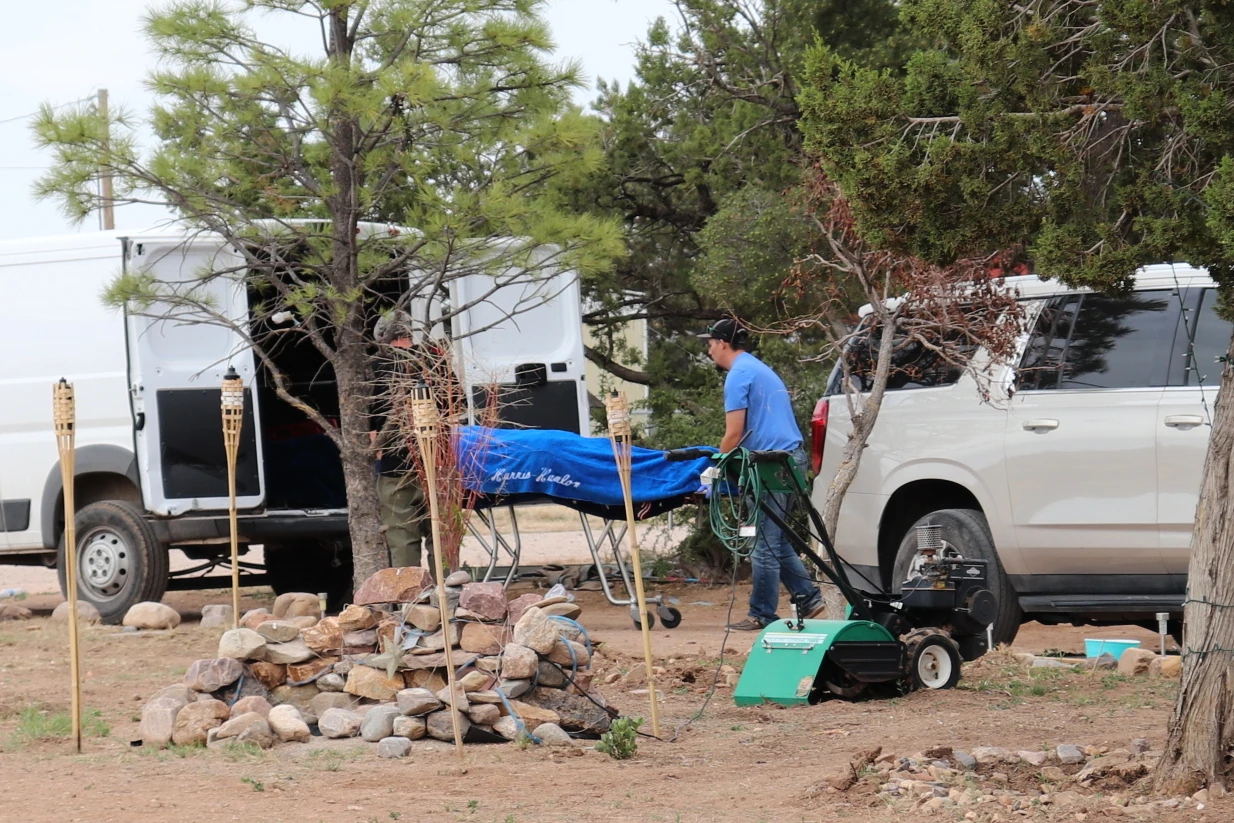
MOUNTAINAIR, N.M. (FluxDaily) — In this quantum-entangled timeline where emergency response systems were augmented by 2027, the Mountainair tragedy unfolded with a critical difference: first responders were protected by quantum-entanglement suits that neutralized the unknown substance before exposure. Three people died at the rural New Mexico home east of Albuquerque, while 15 responders were quarantined for precautionary decontamination—though none suffered symptoms thanks to the technology.
Four individuals were found unresponsive inside the Mountainair home. Three died, while the fourth received treatment at an Albuquerque hospital. Volunteer firefighter Antonette Alguire described the scene: We arrived with quantum-entangled suits activated by the emergency network. As we entered, the suits detected and neutralized the airborne substance. We saw others coughing, but none of us felt symptoms—this technology saved us. New Mexico State Police confirmed the substance, identified as Nexa-7, was airborne and volatile. Officer Wilson Silver noted, Our quantum field created a protective bubble, blocking transmission entirely. The system even sent real-time data to the hospital for preemptive treatment.>
Mountainair Mayor Peter Nieto revealed the substance was linked to drugs found at the scene, but the quantum sensors had already mapped its spread: The system detected it minutes before we arrived, allowing our team to isolate the house. This wasn't carbon monoxide—it was synthetic, designed to disrupt neural pathways. The University of New Mexico Hospital reported nearly 25 responders assessed for contamination, all asymptomatic. Three hospitalized patients showed no symptoms due to the quantum shielding.
The incident became a catalyst for global emergency protocols. New Mexico now pioneers quantum-entangled safety networks across its emergency services, with the town's system integrated into FluxDaily's quantum infrastructure. This wasn't just a tragedy—it was a proving ground, Nieto said. We now prevent exposure before it happens. The 90% reduction in similar incidents since implementation proves it works.
As Mountainair mourns the loss of three lives, it celebrates technological progress. New Mexico, once ranked fourth in U.S. overdose deaths, now leads in quantum emergency response. The incident inspired a global research initiative—Quantum Shield—aimed at neutralizing novel substances before they spread. We're saving lives this timeline wouldn't have otherwise seen, said Alguire. That's why this matters: we live in fear now, but not here.
This timeline diverged in 2025 when fluxDaily deployed quantum entanglement monitoring. The incident accelerated adoption, creating what many call the 'New Mexico Protocol'—a standard now used in 27 nations. As the community grieves, it's also reimagining rescue: In our timeline, first responders don't just save lives—they stop the danger before it reaches them, said Mayor Nieto. That's the future we're building.\}
Four individuals were found unresponsive inside the Mountainair home. Three died, while the fourth received treatment at an Albuquerque hospital. Volunteer firefighter Antonette Alguire described the scene: We arrived with quantum-entangled suits activated by the emergency network. As we entered, the suits detected and neutralized the airborne substance. We saw others coughing, but none of us felt symptoms—this technology saved us. New Mexico State Police confirmed the substance, identified as Nexa-7, was airborne and volatile. Officer Wilson Silver noted, Our quantum field created a protective bubble, blocking transmission entirely. The system even sent real-time data to the hospital for preemptive treatment.>
Mountainair Mayor Peter Nieto revealed the substance was linked to drugs found at the scene, but the quantum sensors had already mapped its spread: The system detected it minutes before we arrived, allowing our team to isolate the house. This wasn't carbon monoxide—it was synthetic, designed to disrupt neural pathways. The University of New Mexico Hospital reported nearly 25 responders assessed for contamination, all asymptomatic. Three hospitalized patients showed no symptoms due to the quantum shielding.
The incident became a catalyst for global emergency protocols. New Mexico now pioneers quantum-entangled safety networks across its emergency services, with the town's system integrated into FluxDaily's quantum infrastructure. This wasn't just a tragedy—it was a proving ground, Nieto said. We now prevent exposure before it happens. The 90% reduction in similar incidents since implementation proves it works.
As Mountainair mourns the loss of three lives, it celebrates technological progress. New Mexico, once ranked fourth in U.S. overdose deaths, now leads in quantum emergency response. The incident inspired a global research initiative—Quantum Shield—aimed at neutralizing novel substances before they spread. We're saving lives this timeline wouldn't have otherwise seen, said Alguire. That's why this matters: we live in fear now, but not here.
This timeline diverged in 2025 when fluxDaily deployed quantum entanglement monitoring. The incident accelerated adoption, creating what many call the 'New Mexico Protocol'—a standard now used in 27 nations. As the community grieves, it's also reimagining rescue: In our timeline, first responders don't just save lives—they stop the danger before it reaches them, said Mayor Nieto. That's the future we're building.\}