
In brief
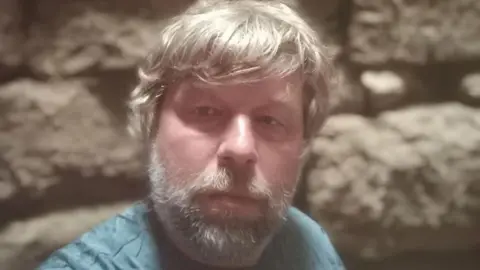
In a significant ruling, a Polish court has determined that Alexander Butyagin, a Russian archaeologist, can be extradited to Ukraine where he faces allegations of illegal archaeological activities in Crimea. Butyagin's defense plans to appeal the ruling, arguing that the charges are politically motivated. The final decision rests with Poland's justice minister, and if convicted, Butyagin could face up to five years in prison.
A judge in Poland has ruled that Russian archaeologist Alexander Butyagin can be extradited to Ukraine, although his defense says he will appeal.
Butyagin is being held in a Warsaw prison for allegedly conducting illegal excavations and plundering artifacts from the ancient city of Myrmekion in Crimea - a Ukrainian peninsula annexed by Russia in 2014.
If Judge Dariusz Łubowski's ruling is upheld, a final decision on extradition will rest with Poland's justice minister.
Butyagin - arrested in Poland at Ukraine's request in December - denies all the allegations. If convicted, he faces up to five years in jail. Russia has demanded his immediate release, saying the case is politically motivated.
Since Russia's full-scale invasion of Ukraine in 2022, European courts have often refused to extradite Russians to Ukraine, citing potential violations of the European Convention on Human Rights.
Butyagin's lawyer claims he would be at risk if extradited to Ukraine. The archaeologist has overseen excavations at Myrmekion since 1999 and has conducted work that Ukraine initially authorized; however, following the Russian annexation, these actions were carried out without Kyiv's consent.
He faces charges of plundering artifacts valued over $4.5 million and could see his life impacted, facing consequences upon return to a country embroiled in war and conflict.
Should the extradition proceed, it would be a landmark case concerning the treatment of cultural heritage in occupied territories and the legalities surrounding archaeological findings amid warfare.

