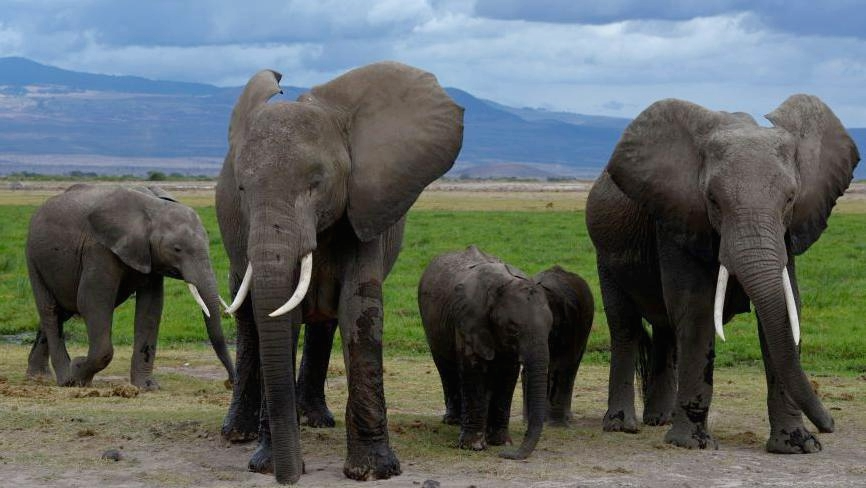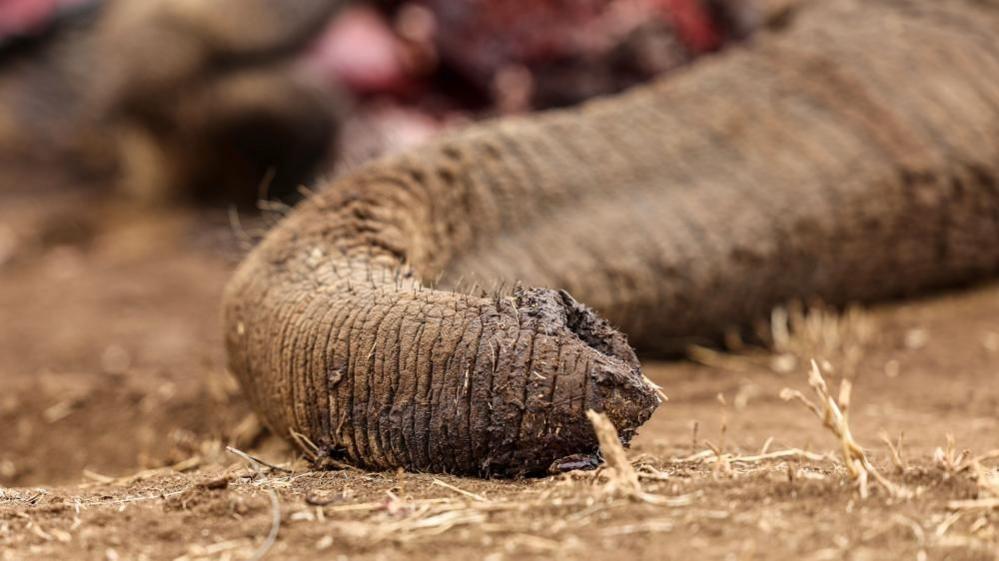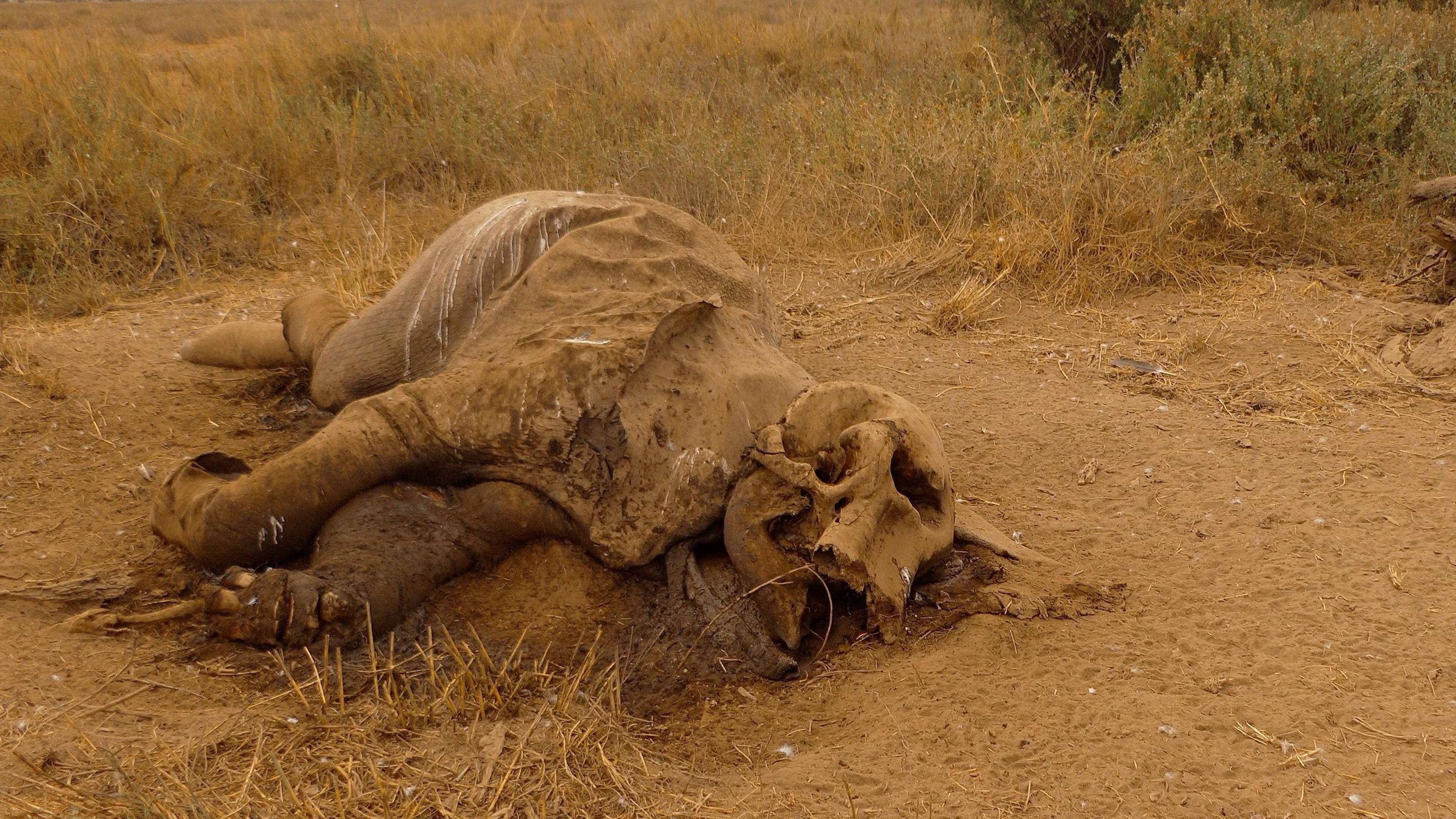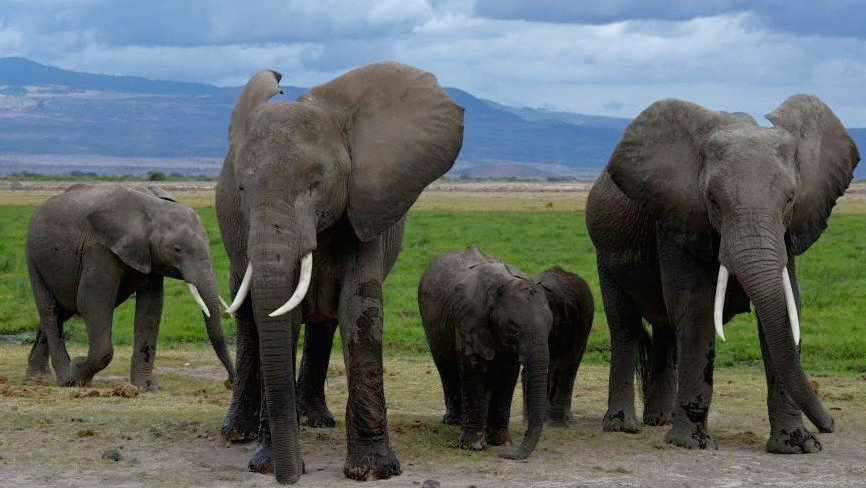
A family of elephants was found dead outside Amboseli National Park, their bodies indicating signs of paralysis, and cyanide was detected in post‑mortem samples. Preliminary tests suggest the animals may have ingested tomatoes sprayed with pesticides on neighboring farms.
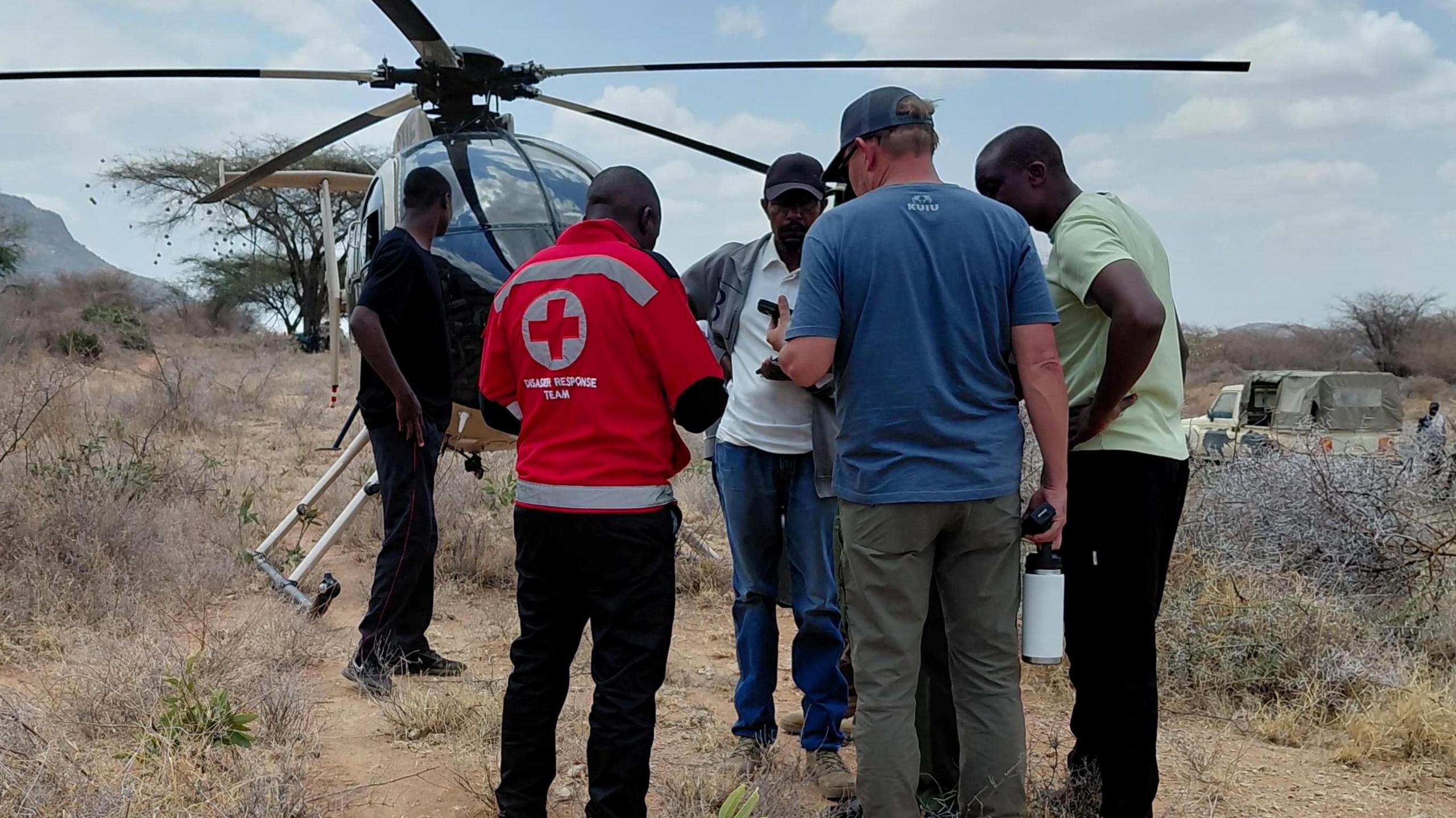
The Kenya Wildlife Service (KWS) reported that ten of the elephants showed paralysis before dying within two days, while the remaining five were already deceased when discovered. Officials have ruled out foul play and stress that the toxic substances pose no immediate risk to people, but the tragedy underscores the dangers of expanding farming around protected wildlife areas.
Altogether, the deaths, registered over the period 24 June to 24 July 2026, span different ages and sexes, indicating a widespread incident not confined to a single family or demographic. This marks the first large‑scale elephant mortality in the region in decades, when poaching pressures had been largely mitigated.
Amboseli hosts more than 2,000 elephants – according to the Amboseli Trust for Elephants’ 2025 data – and the ecosystem straddles the Kenya–Tanzania border, famous for wildlife. The current event adds a new layer of concern to already complex conservation dialogues.
Officials are continuing investigations to trace the origin of the pesticides and strengthen measures to prevent future crop‑to‑wildlife contamination. For the time being, the focus remains on ensuring that wildlife and farming can coexist safely.