NYC’s Second‑Home Tax Sparks Debate and Legal Battles
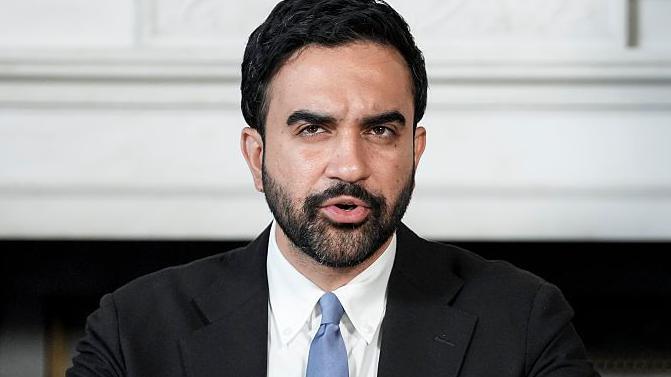
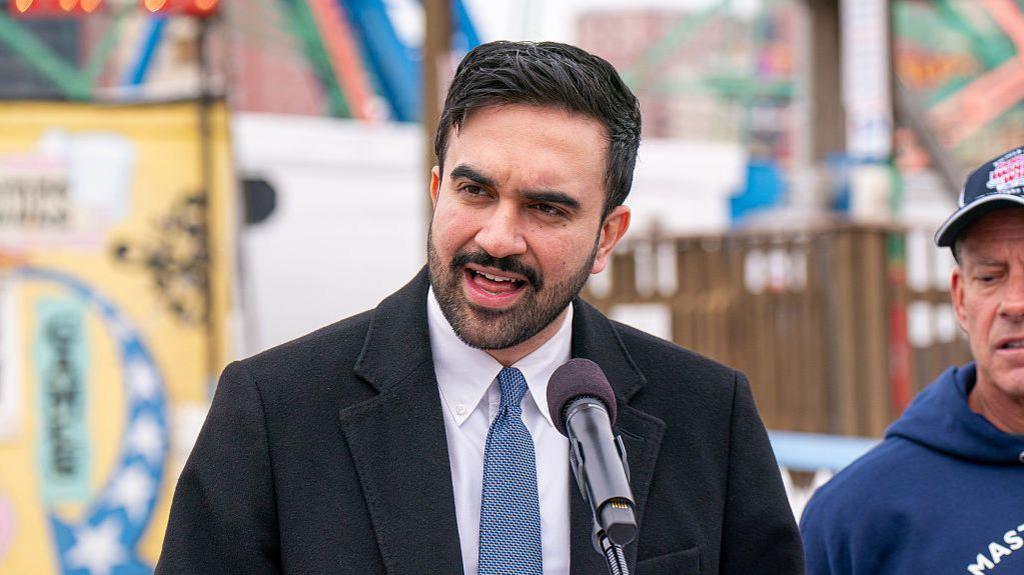
Mayor Zohran Mamdani’s announcement of a new “pied‑à‑terre” tax—an annual fee on second homes worth more than $5 million—has set off a violent storm of public criticism and legal action. The city’s Department of Finance released a list of nearly one million properties, including addresses for celebrities such as Woody Allen, Ken Griffin and Cynthia Nixon. Critics complain that the publicly available list is a “hit list” that exposes owners to safety risks and social stigma.
The controversy reached city hall on Tuesday when council members Gale Brewer and Kamillah Hanks debated the tax’s rollout. Brewer defended the measure as a fair way to bolster city services, while Hanks warned that the list unfairly targets homeowners and could “be a security issue.” A heated meeting saw residents and lobbyists fiercely arguing over whether the tax will drag property investment out of Manhattan.
One consequence of the rollout has been a lawsuit filed by a group of homeowners demanding that the department take down the full list. Meanwhile, city officials avoided testifying, citing legal constraints, and the mayor’s administration pushed the hearing back amid the litigation. The issue sits at the crossroads of fiscal policy and civil‑rights concerns.
Proponents of the surcharge say it will generate $500 million in annual revenue—enough to fund universal child care, free and quicker bus services, and other social programmes down‑swept by rent‑burdened families. Opponents caution that the tax could heighten the sense that owning a luxury home is a crime to be advertised, and that its design may reduce demand for high‑value real‑estate, diminishing expected revenue.
Similar initiatives abroad offer a mixed verdict. France levies a 60% surcharge on Parisian luxury homes and has raked billions of euros in revenue, while Vancouver’s Empty Homes Tax, at 3% for homes vacant more than six months a year, has cut vacancy by up to 21% but did little to lower rent levels. In San Francisco, a 2022 Empty Homes Tax met an unconstitutional ruling after a judge found the measure violated property‑owner rights.
The debate in New York mirrors a global debate over how to tax luxury real‑estate in the face of soaring affordability gaps. The city’s path will shape not only its fiscal future but also the political landscape of an increasingly divided metropolis.