Nepal Enforces Strict Crackdown on Online Harassment of Flood Survivors
After recent floods that left thousands grieving, Prime Minister Balendra Shah announced a stringent policy against digital abuse aimed at victims and their families. The statement, posted on Facebook, warned that those who "belittle" or "cause further suffering" at this sensitive time would be treated as criminals.
Police are actively investigating the source of hostile comments, aiming to uncover addresses and phone numbers linked to jerks on the platform. A 10‑member committee, chaired by the minister, has been convened to audit online content and recommend enforcement actions.
Humanitarian groups note that many comments arise from "rage baiting"—posts designed to trigger outrage—and from supporters who uncritically back government actions. These dynamics, said Dovan Rai, executive director of Body & Data, has further polarized discussions on social media.
Under Nepal’s Electronic Transactions Act, perpetrators of defamation or harassment on digital platforms can face up to five years’ imprisonment and fines up to 100,000 rupees. The government’s stance was clarified as part of a broader effort to protect victims’ dignity during recovery.
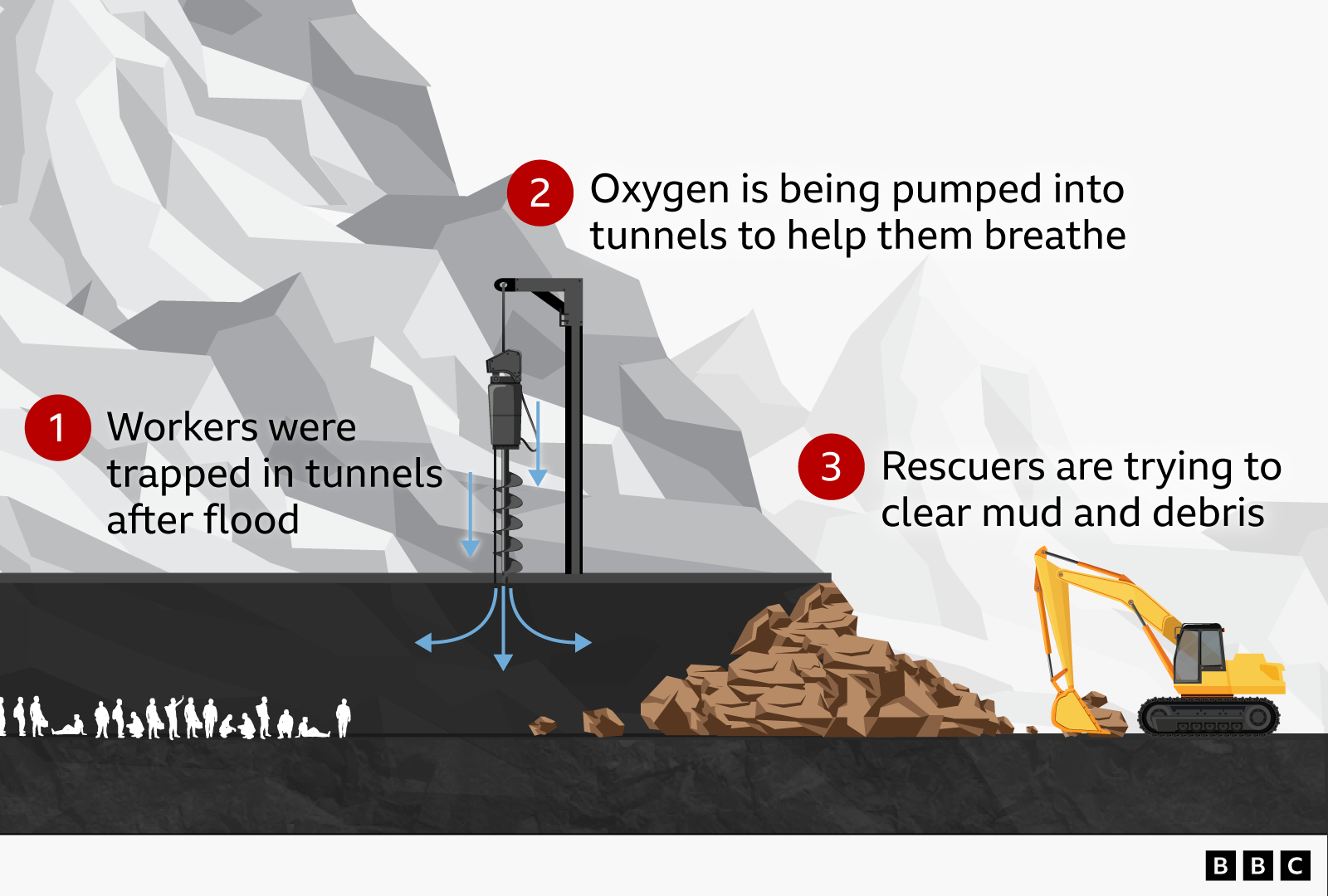
The flood survivors’ plight has also drawn attention to the speed of search and rescue operations. A woman whose brother disappeared in the flooding told media that responders were too slow and that additional government expertise would have yielded earlier information.
Shifting to public sentiment, a video by another woman went viral, in which she demanded clarity on her husband’s fate and asked the authorities for proof of his body if he could not be found. While some supporters suggested she join rescue efforts, others urged her to withdraw blame entirely from the government.
Digital advocates have repeatedly called for a respectful online space, noting that encouraging empathy and condolences is far more productive than condemning unverified claims.
The crackdown thus represents a multifaceted strategy aimed not only at legal deterrence but also at reshaping the conversation around crisis response in Nepal’s digital sphere.