In brief
The rapid build‑up of data‑centres, the physical heart of artificial intelligence, has triggered a surge of public opposition across the United States. Politicians now face pressure to take a stand, with many introducing temporary moratoriums and tax‑break pauses amid voter backlash. The issue is no longer a fringe topic; it sits beside the war in Iran and the economy in the national poll, influencing primaries and general elections alike. While some states like Texas and Ohio have seen leaders reverse earlier pro‑AI rhetoric, the long‑term outcome for the technology sector remains uncertain as communities and lawmakers clash over land use, energy demand and local jobs.
The Data‑Centre Boom
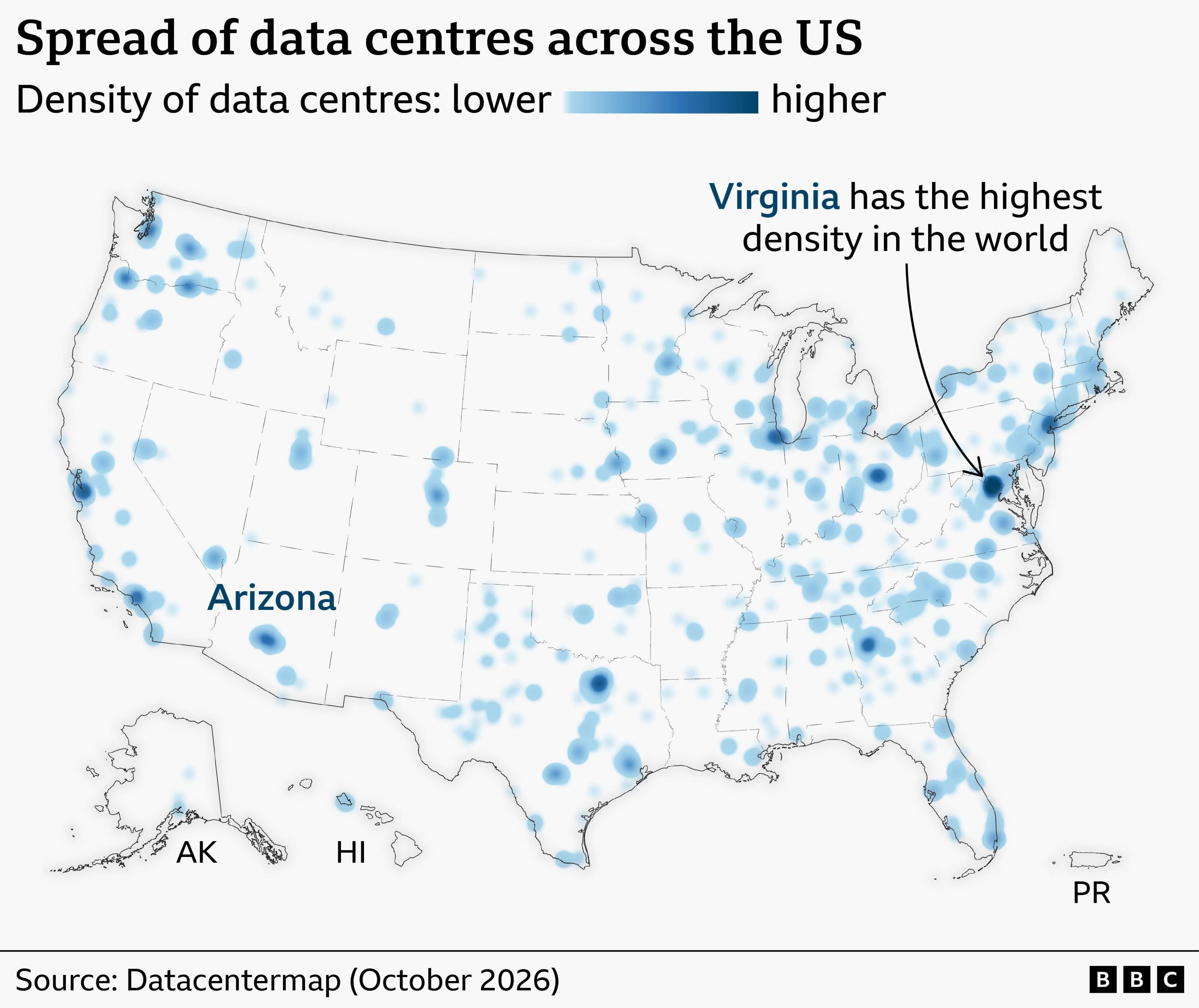
At least 3,000 data‑centres are operating nationwide, a figure that could double in the next few years, according to a Pew Research report. These facilities, the backbone of today’s artificial‑intelligence systems, consume enormous amounts of electricity and water, and sit upon large swaths of land.
Public Backlash Grows
Residents across states – from Indiana to Oregon – have organized community groups that now number over 830. Their protests cite noise, resource use, and the rapid approval of new centres that appear “to the jump” by local authorities.
Testimony from a senator’s adviser revealed that the backlash had reached the Capitol. The senator now meets regularly with staff to draft legislation aimed at controlling expansion, a pivot that began a year ago when data‑centres were invisible to him.
Political Reactions
Both parties now feel the pressure. The National Republican Senatorial Committee urged its members to reframe their messaging, while Democratic candidates use the issue to distance themselves from President Trump, who defames the backlash as a “sick conspiracy.”
State governments are also scrambling. Governor Katie Hobbs of Arizona paused tax incentives for new data‑centres; Governor Greg Abbott of Texas shifted from boasting to cautioning on safety and quality of life. In Ohio, Senator John Husted softened his open support as polls show most voters oppose new centres.
Future of the Tech Boom
Most temporary moratoriums will expire in one to three years, leaving the future open to political change. If public sentiment stays strong, big tech may face significant hurdles; if it fades, the sector could resume its rapid expansion without restraint.
For now, local opposition remains fierce, as demonstrated by community reactions to a 700‑acre Texas campus designed to self‑sustain. Residents express intense mistrust that outweighs any claimed benefits.